





Blue Morpho Butterfly



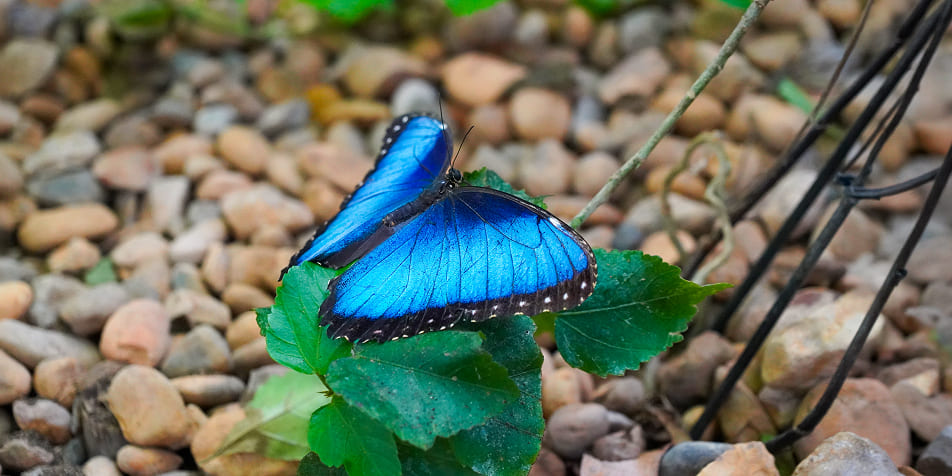
Blue Morpho Butterfly: the blue glow of the forest
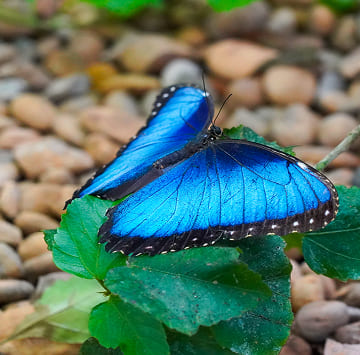
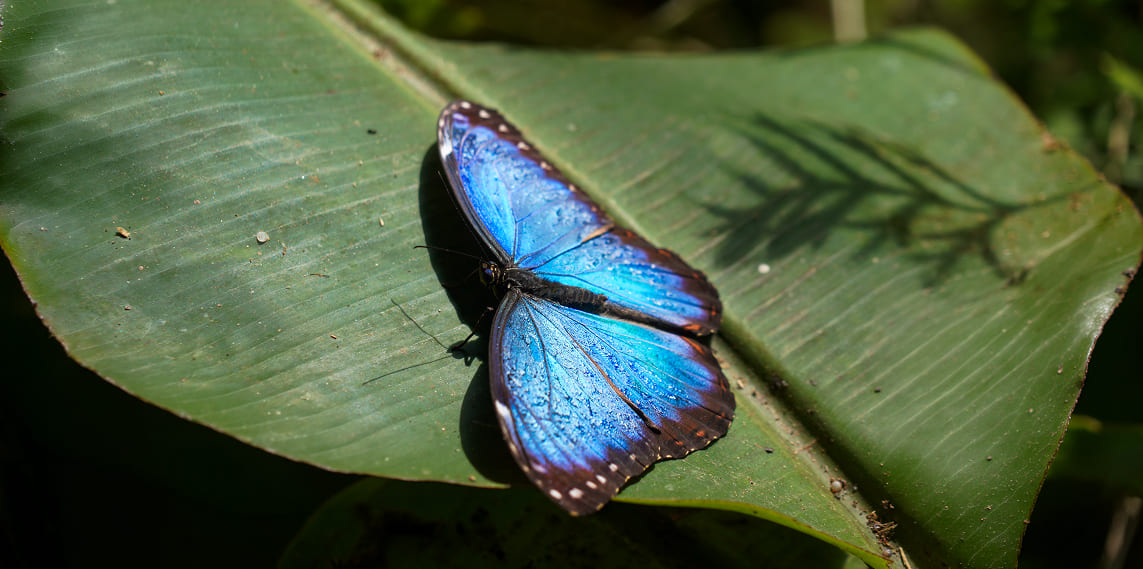
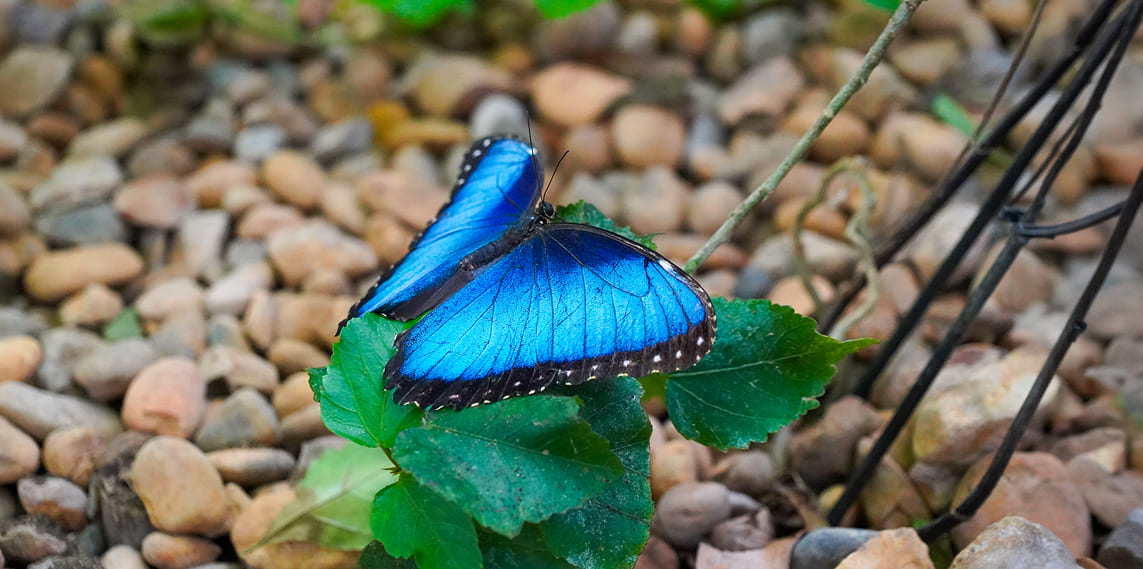
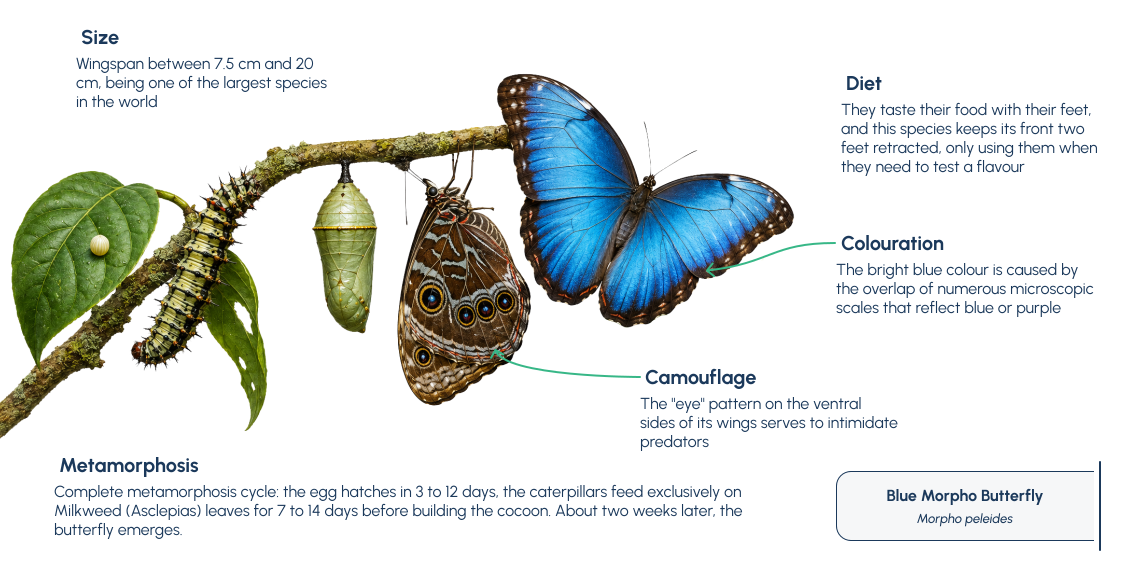
The Blue Morpho Butterfly is among the largest butterflies in the world.
Its brilliant blue colour is produced by overlapping microscopic scales that reflect blue or purple light.
Appearance and behaviour
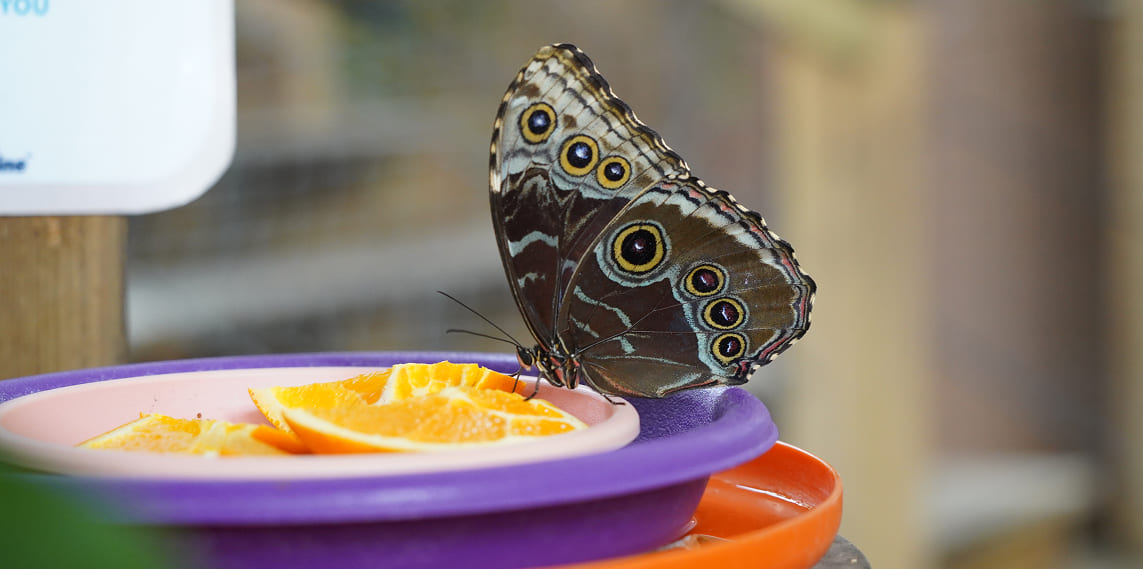
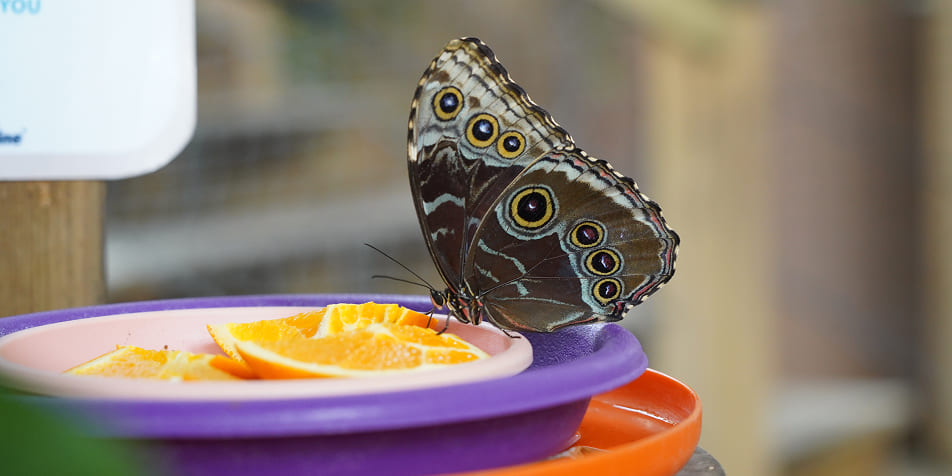
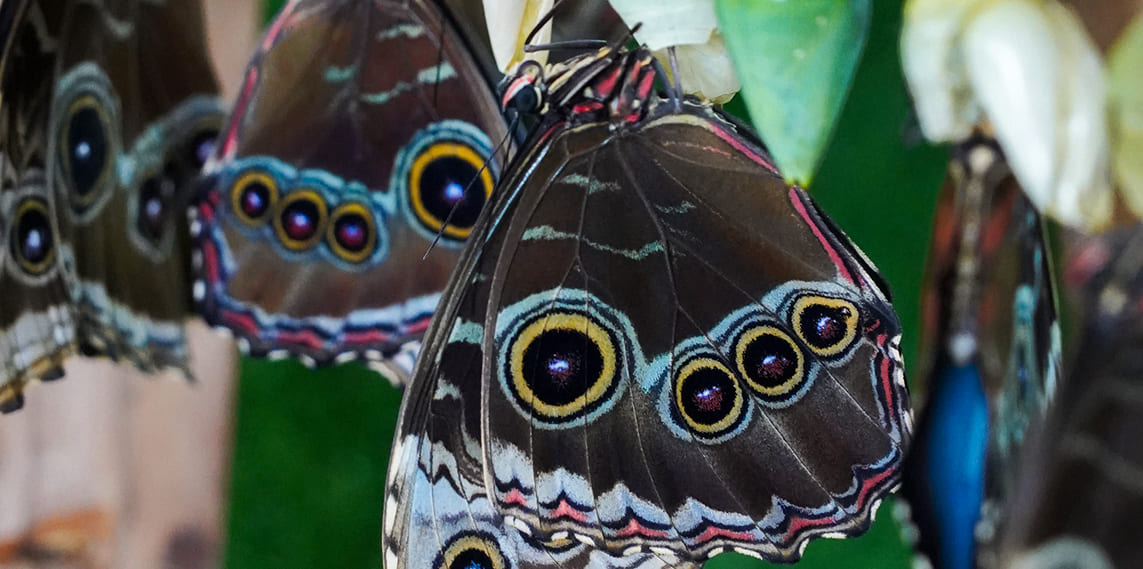
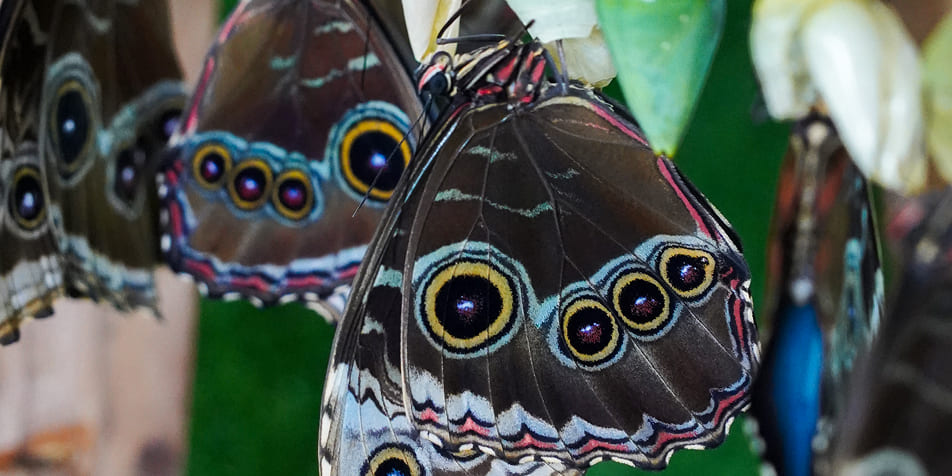
The ‘eye’ patterns on the underside of their wings serve to intimidate predators.
Sometimes, these butterflies gather in large groups while basking in the sun. These aggregations can be so large that they can be seen from the air when tropical forests are flown over.
To attract females, males perform different flight patterns.
Habitat and diet
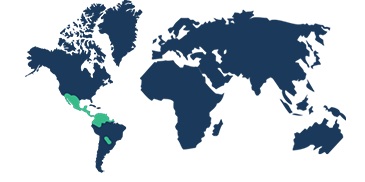
This species can be found in tropical forest habitats, from Mexico to South America and Paraguay. Although they are more common in tropical and montane forests, they can also be found in clearings, riverbanks and woodlands.
Butterflies can ‘taste’ fruit with their two front legs and ‘taste’ the air with their antennae – they work together like a nose and tongue.
Caterpillars feed on leaves, while adults feed on liquids such as flower nectar or juice from decomposing fruit.