





African Spurred Tortoise



African Spurred Tortoise: the Queen of Africa
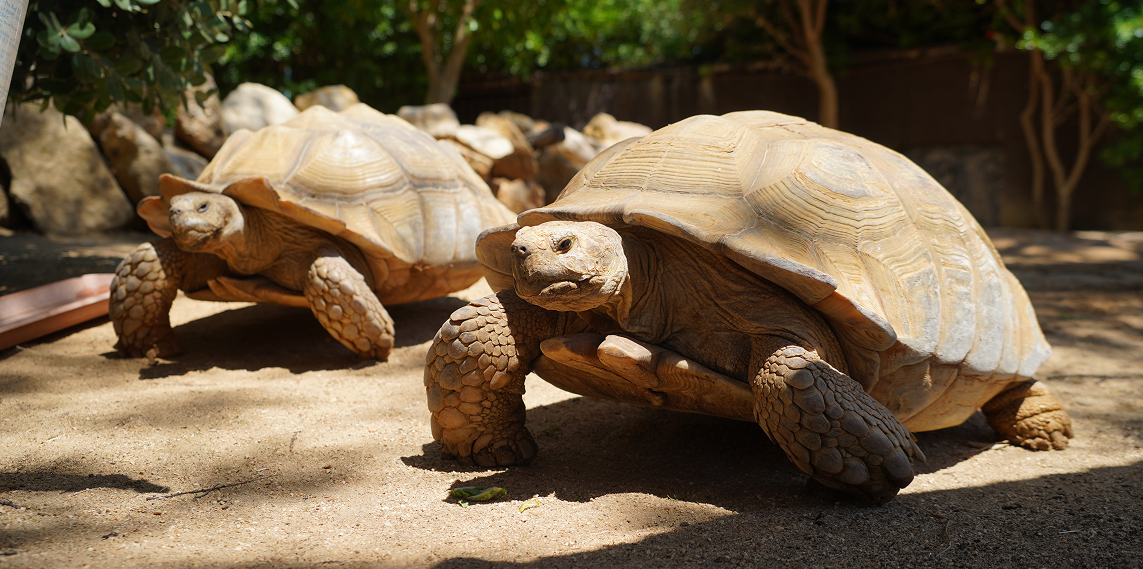
With a large shell and a weight that can exceed 100 kg, it is the largest land tortoise on the African continent and the third largest in the world, after the Galápagos giant tortoises and the Aldabra giant tortoises.
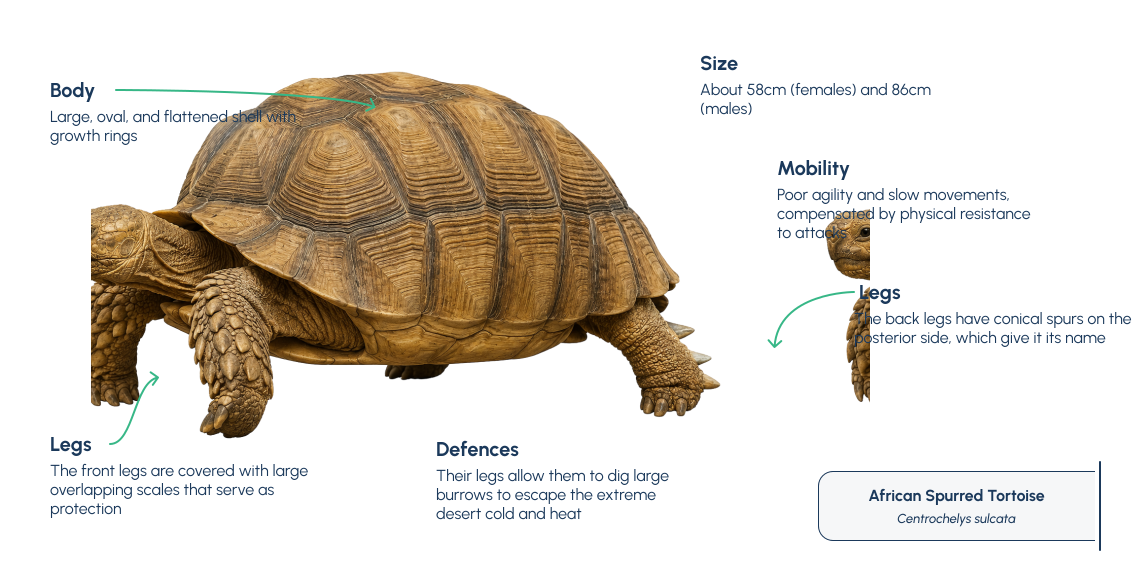
It is hardly surprising that it has limited agility and moves rather slowly, a limitation offset by its physical resilience to attacks.
It is a crepuscular species, meaning it is most active at dawn and dusk. It digs burrows in the ground, where it remains during the day. This behaviour serves as a means of protection against excessive heat or cold.
Appearance and behaviour
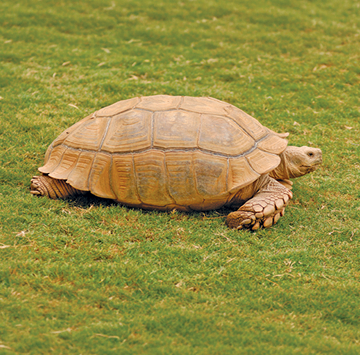
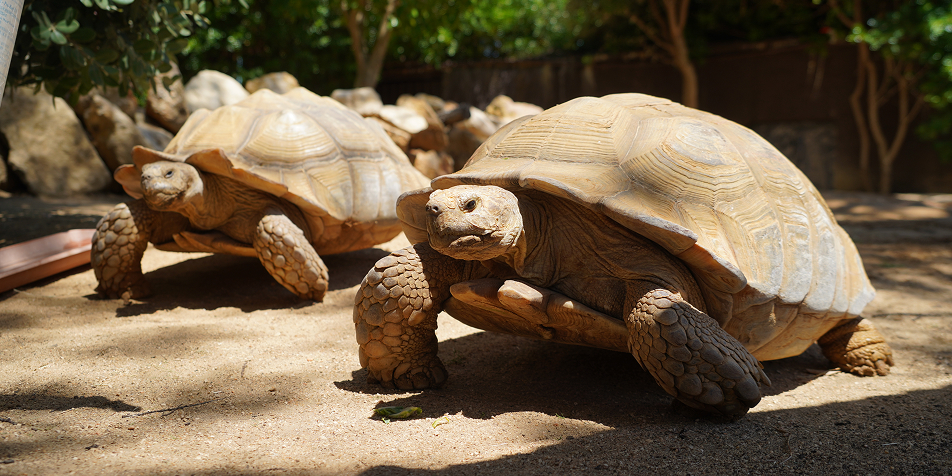
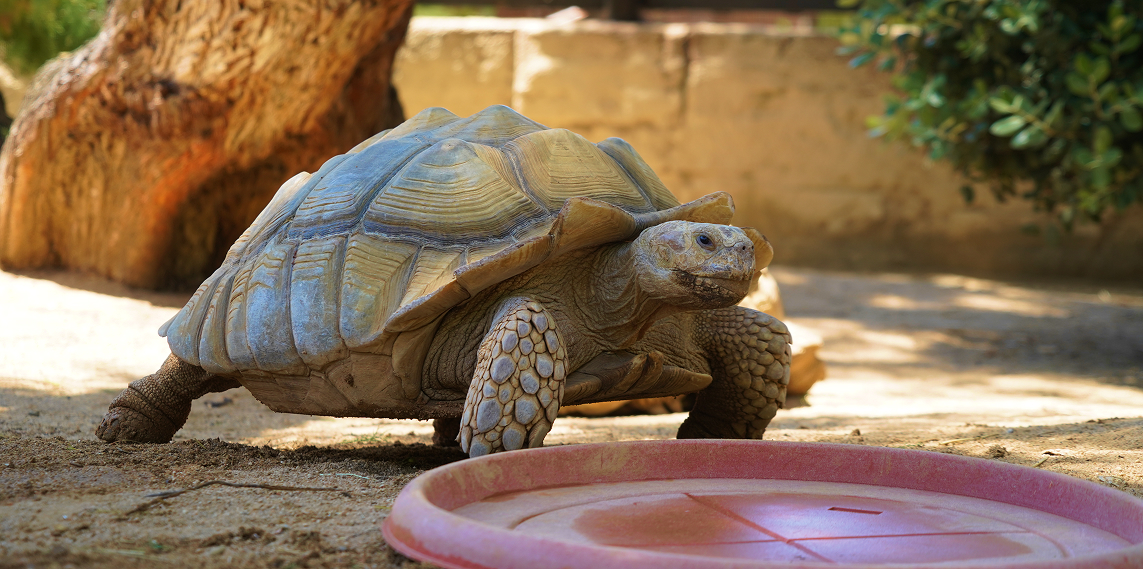
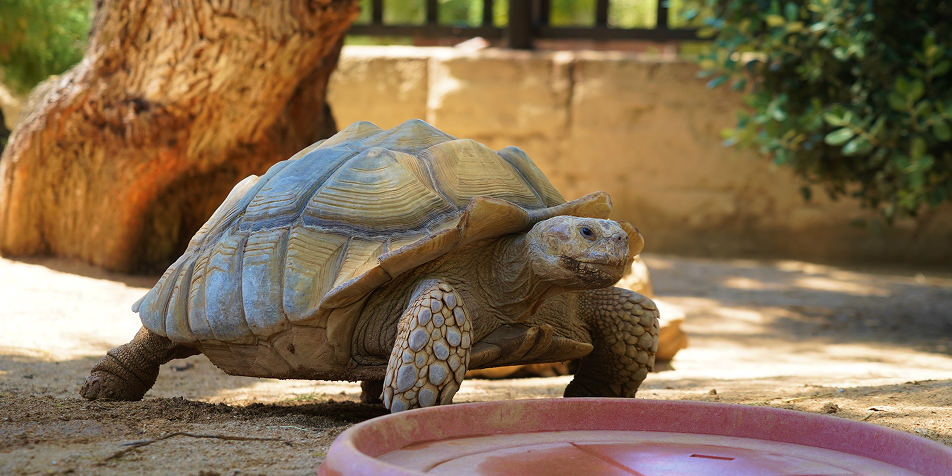
Its name cames from the conical spurs found on the underside of its hind legs. The front legs are covered with large, overlapping scales.
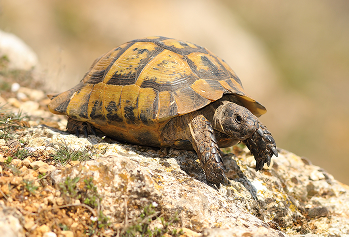
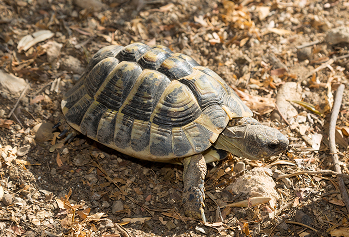
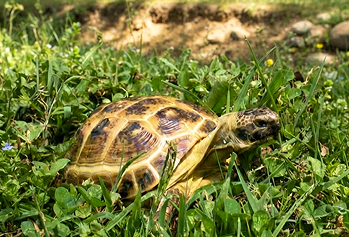
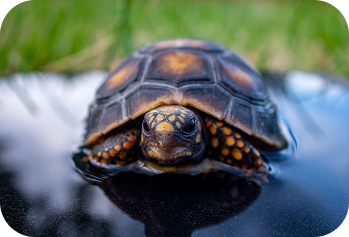
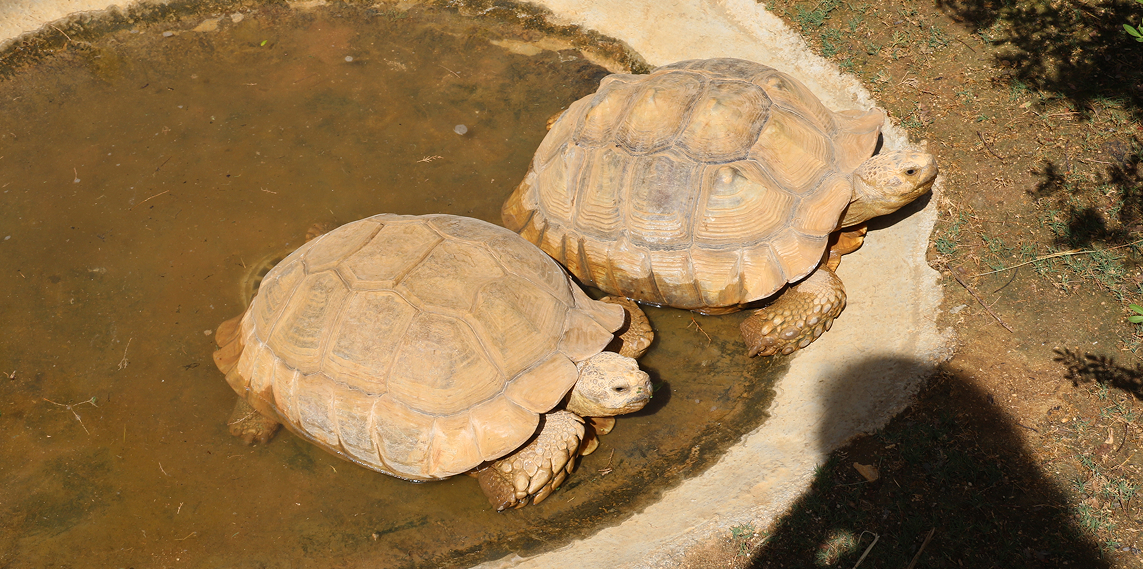
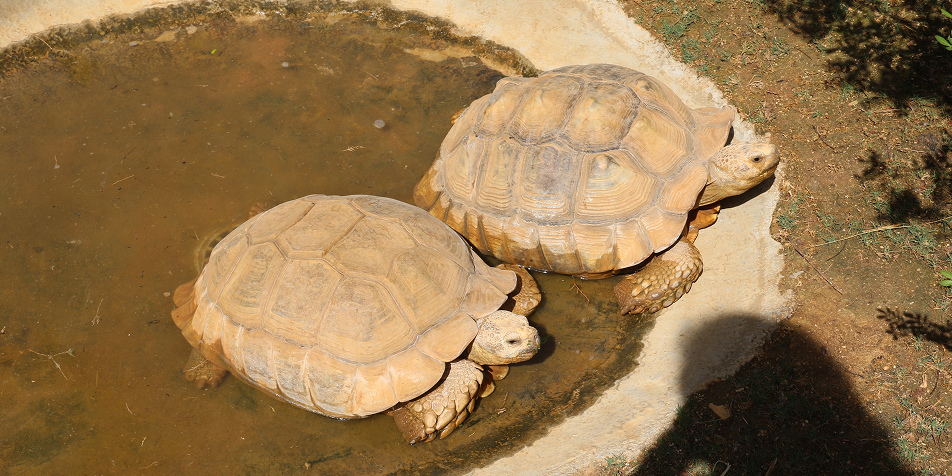
The African spurred tortoise has an oval, flattened carapace, ranging in colour from sandy brown to yellowish, which acts as camouflage in the arid landscapes where it lives. The carapace has scutes with growth rings, and the front and rear margins are serrated.
It is a highly territorial species, particularly during the breeding season. Males fight amongst themselves for the right to mate, attempting to flip their opponent onto its back, which can be fatal.
The breeding season takes place between September and November, following the rains. Sixty days after mating, the female roams the area in search of the ideal spot to lay her clutch, which contains between 15 and 30 eggs. The female may lay two to three clutches per cycle.
Habitat and diet
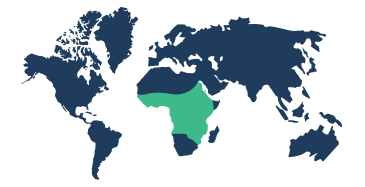
The African spurred tortoise is endemic to the Sahel, the narrow transitional zone separating the Sahara Desert from the sub-Saharan savannahs, stretching from Senegal and Mauritania in the west to Sudan, Ethiopia and Eritrea in the east, crossing Mali, Niger and Chad. It is one of the driest and hottest environments on the planet.
To survive the extreme heat, this tortoise has developed remarkable adaptations. It digs burrows that can reach three metres deep and 10 metres long, a refuge to which it retreats when the heat or cold becomes extreme. It can go for weeks without eating and, when it finds water, is capable of drinking, in a single go, an amount equivalent to up to 15 per cent of its own weight.
Its diet consists mainly of grass, succulents, hay and desert plants, from which it also extracts water. However, it also feeds on small invertebrates.