





Atlas moth




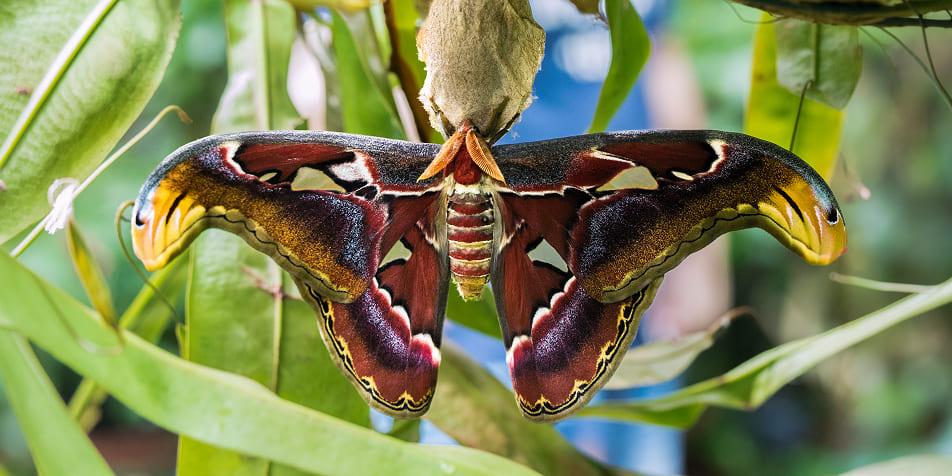
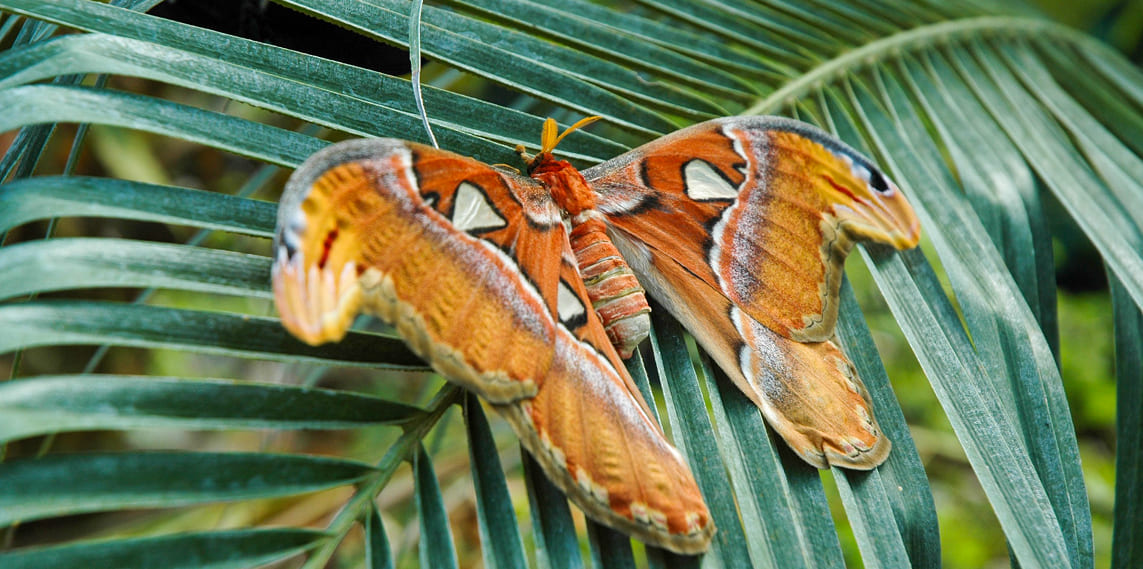
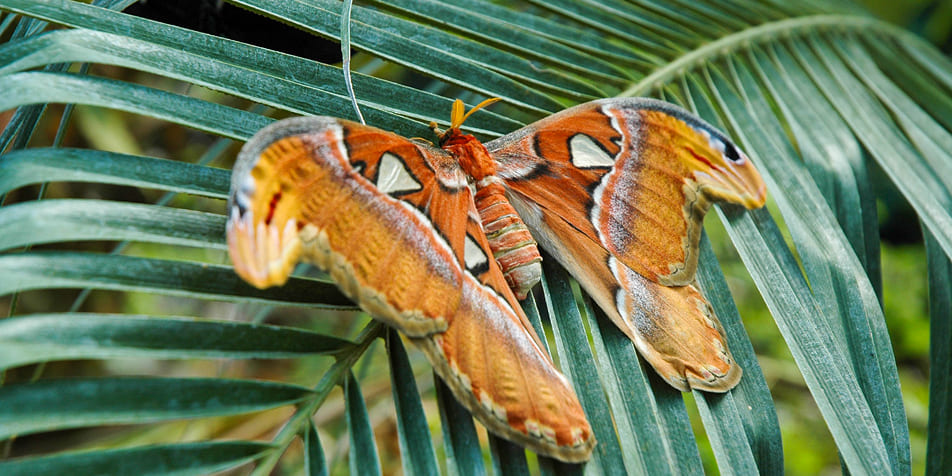
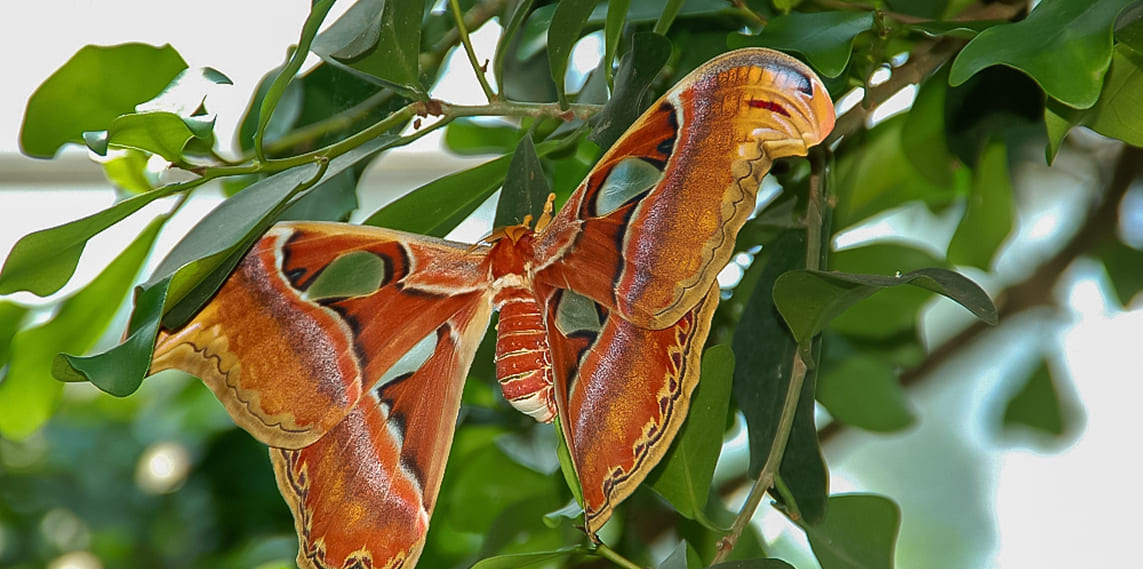
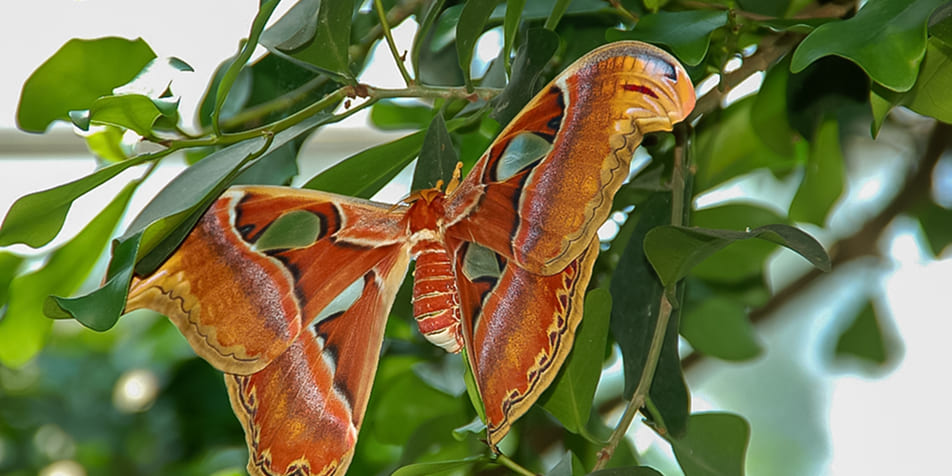
Atlas moth: queen of the night moths
The Atlas moth is a moth — a type of nocturnal butterfly — belonging to the large order of Lepidoptera, which includes all butterflies and moths.
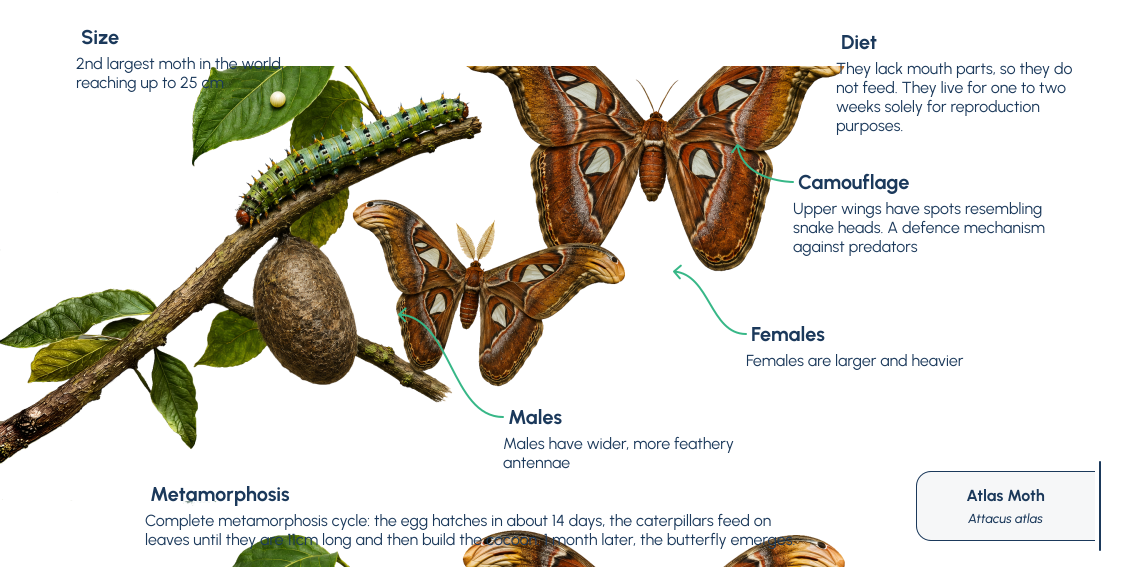
This species is considered the second-largest moth in the world.
Appearance and behaviour
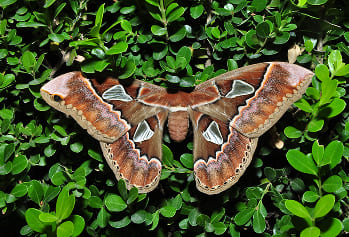
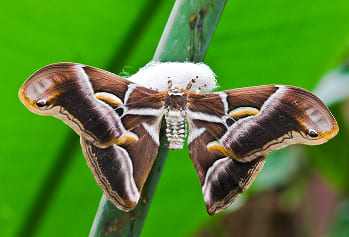
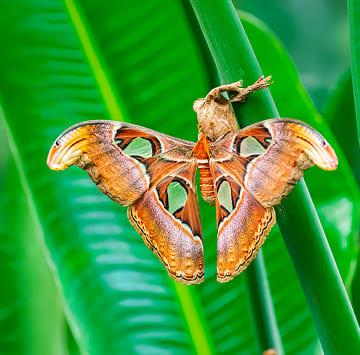
It is among the largest insects on the planet, with a wingspan that can reach 25 centimetres (wider than the palm of a human hand).
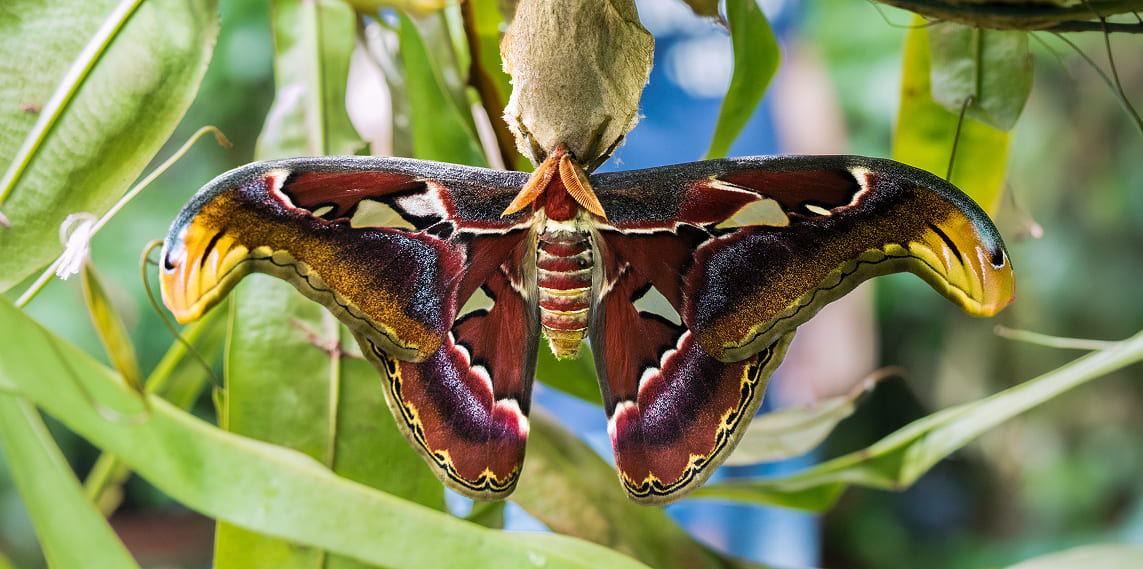
Its reddish-brown wings are decorated with geometric patterns and transparent patches. The tips of the wings resemble a snake’s head, a curious defence mechanism that helps deter predators.
The Atlas moth caterpillar is robust and light green, with a body covered in small bluish protuberances and whitish, waxy spines. As it grows, it can reach around 11 centimetres in length, making it one of the largest caterpillars in the world.
Females attract males through pheromones (natural chemical substances), which can lead them to the females from distances of several kilometres. After finding each other, they can mate for up to 24 hours.
When they emerge, the moths rest their wings for 8 to 10 hours until they are ready to take flight.
Habitat and diet
It can be found in tropical and subtropical forests of Southeast Asia, in habitats with dense vegetation and seasonal changes between dry and wet seasons.
Adults have no functional mouthparts and do not feed, living for just one to two weeks. They are very large moths, but survive on the energy stored during their larval stage.
Their behaviour is nocturnal and their adult life is short, with reproduction being their sole purpose.
The caterpillars feed on the leaves of various host plants and can reach 11 centimetres in length because they spend almost every waking moment feeding.