





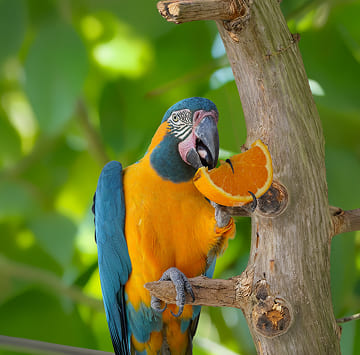
Blue-throated macaw




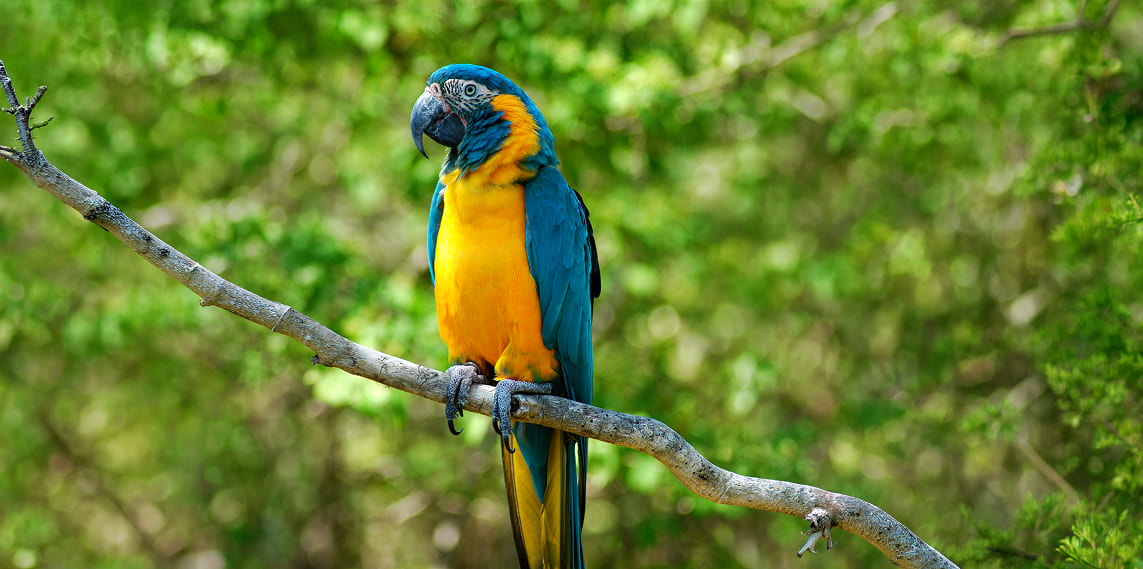
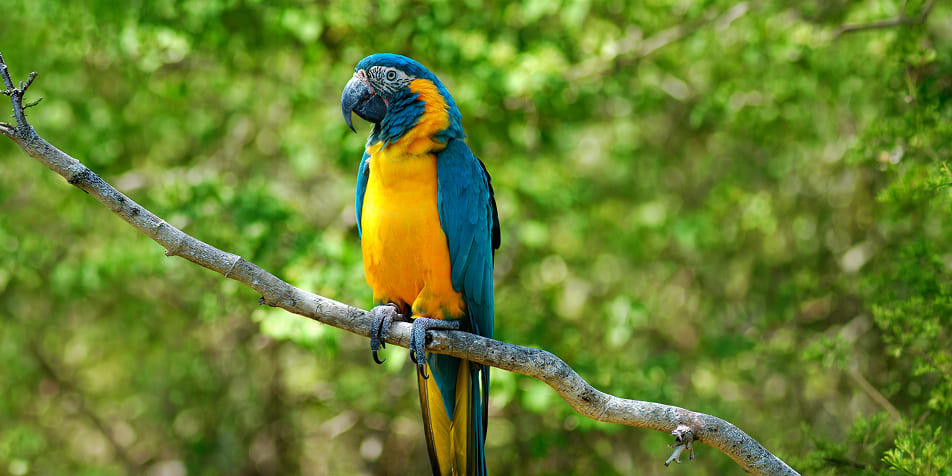
Blue-throated Macaw: conservation comes first
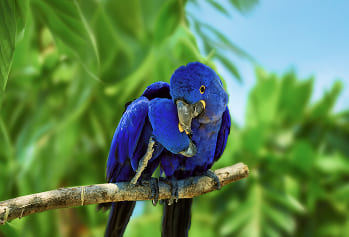
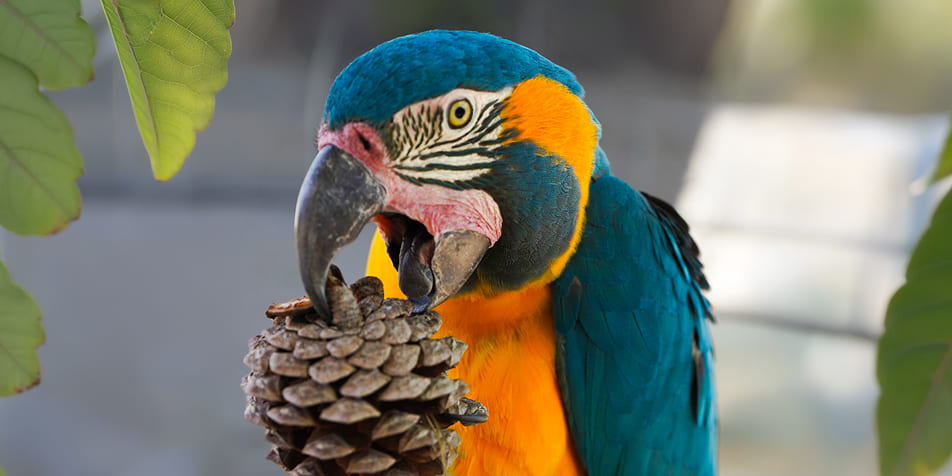
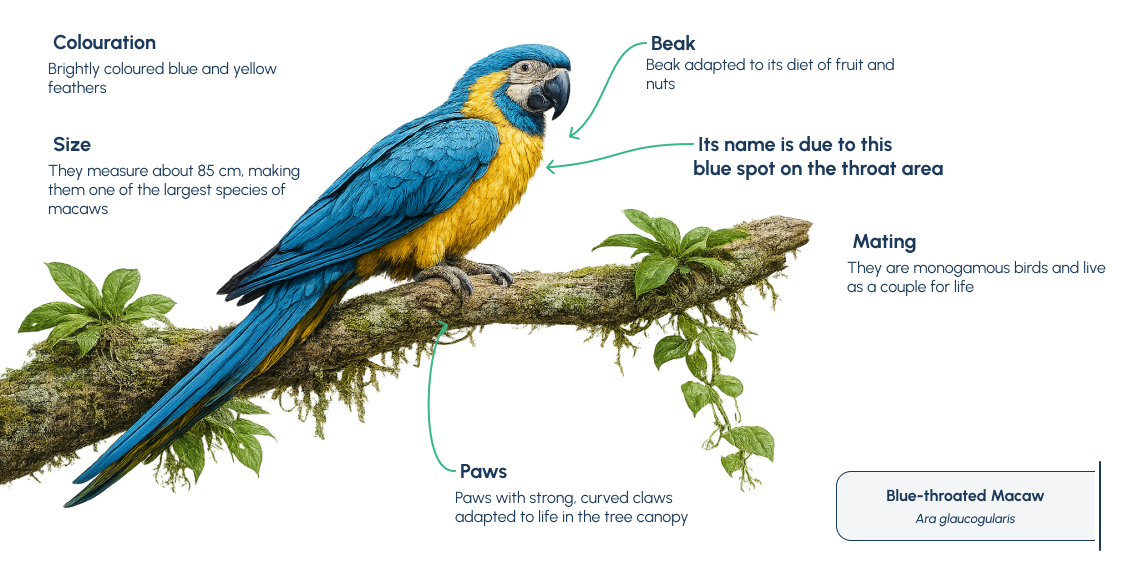
With blue and yellow feathers, the Blue-throated Macaw stands out for its vibrant colours.
It is one of the rarest macaw species in the world and also one of the most threatened. Its conservation and protection are therefore essential.
Discover more about this tropical bird!
Appearance and behaviour
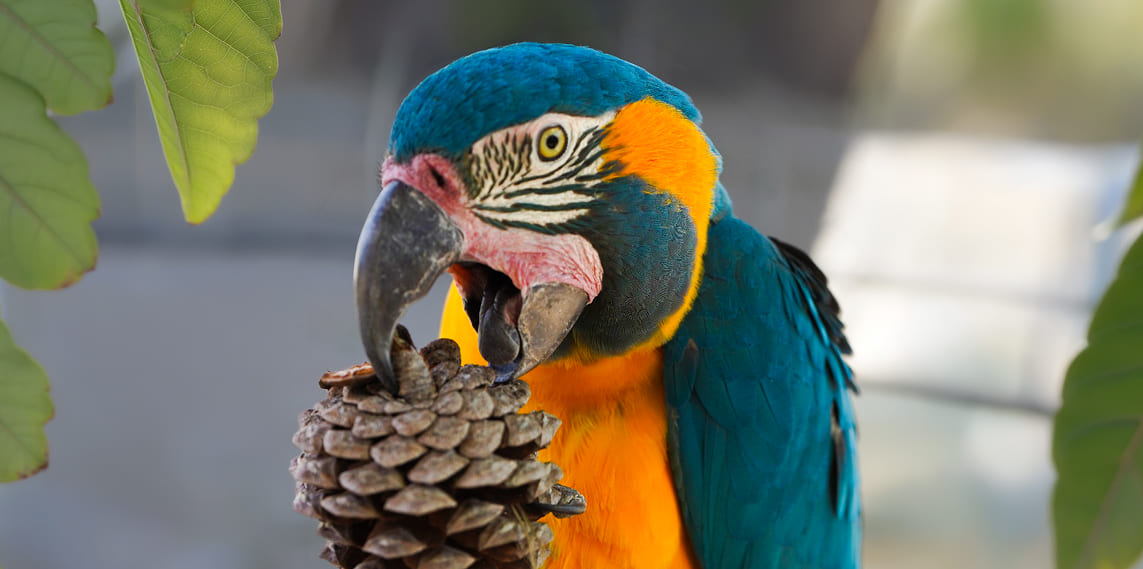
With an approximate length of 85 centimetres, the Blue-throated Macaw is considered one of the largest macaw species. Its name comes from a distinctive feature of its colouring: a blue patch on its throat.
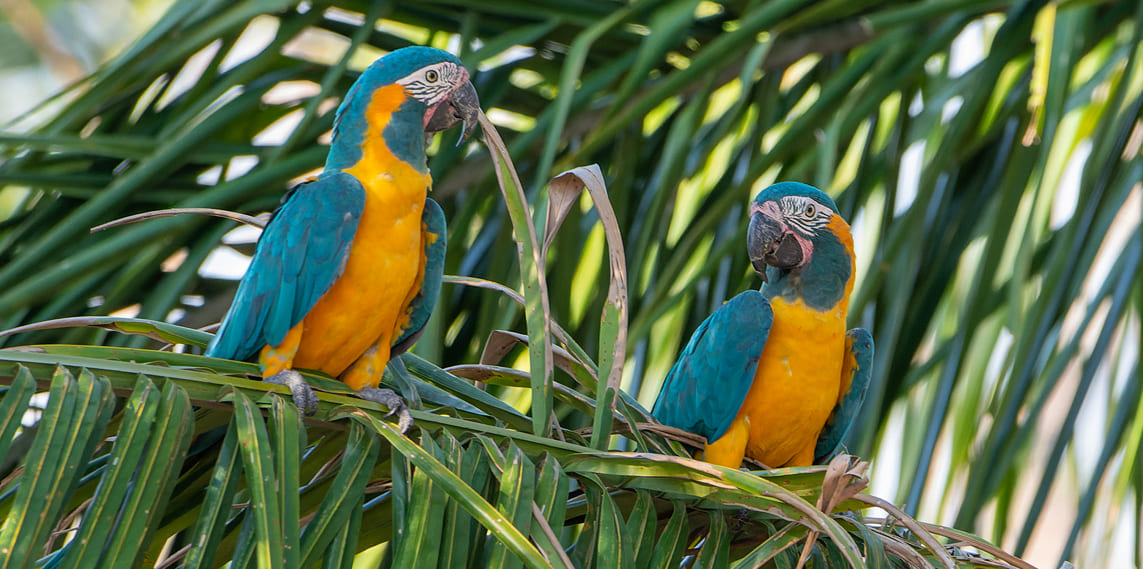
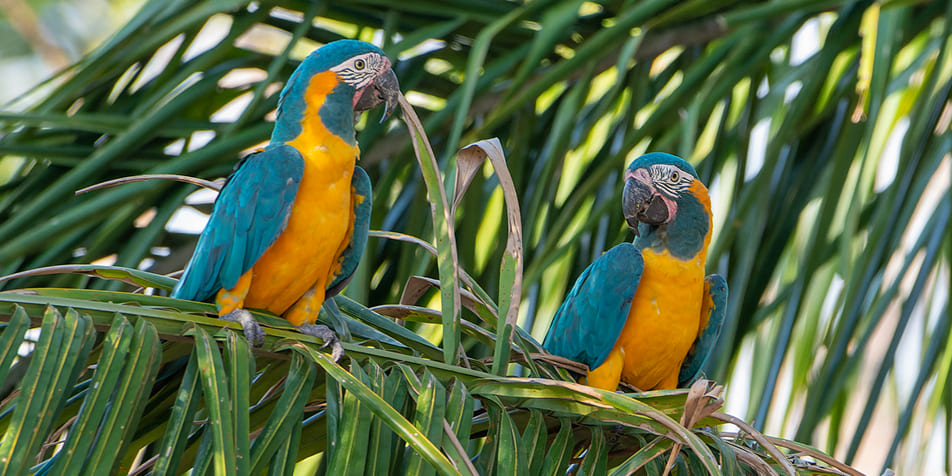
A monogamous species, it forms lifelong pairs. The differences between males and females are not easily noticeable, but females tend to be slightly smaller.
Blue-throated Macaws breed in cavities in tall palm trees, with both parents sharing responsibility for caring for the eggs and chicks.
In addition to living in pairs, these birds can also live in small groups.
Habitat and diet
Like other tropical bird species, the Blue-throated Macaw is arboreal, relying on trees for both shelter and food. Its diet consists mainly of plants, fruit and nuts, and its beak is specially adapted to this diet. It particularly favours the large fruits of the palm trees where it lives and breeds.
The Blue-throated Macaw is native to a very specific geographical area: the Llanos de Mojos region of Bolivia, where it was first identified in 1992.