





Bottlenose Dolphin


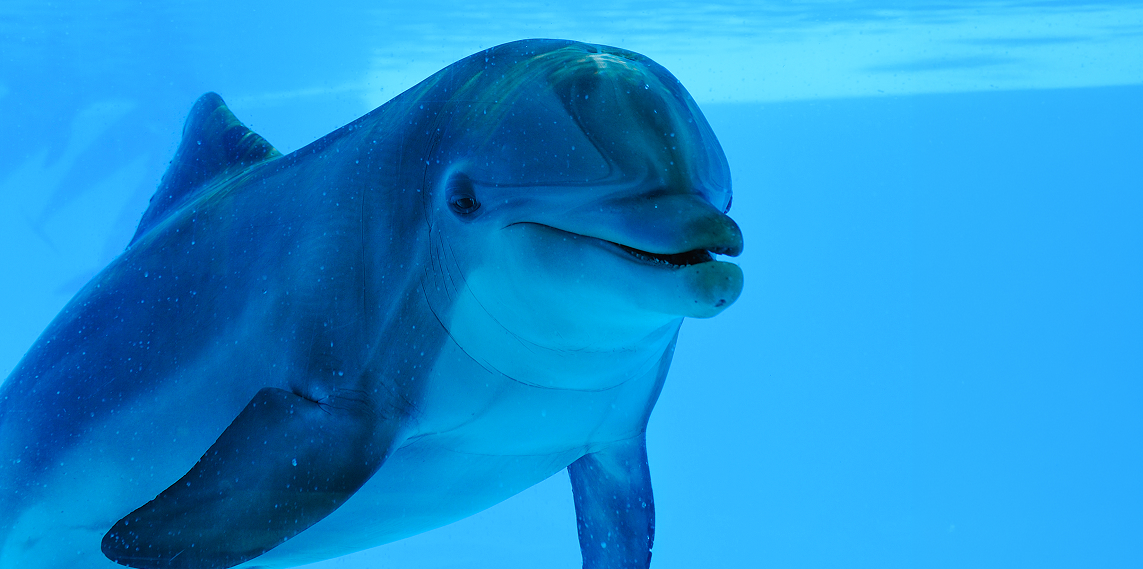
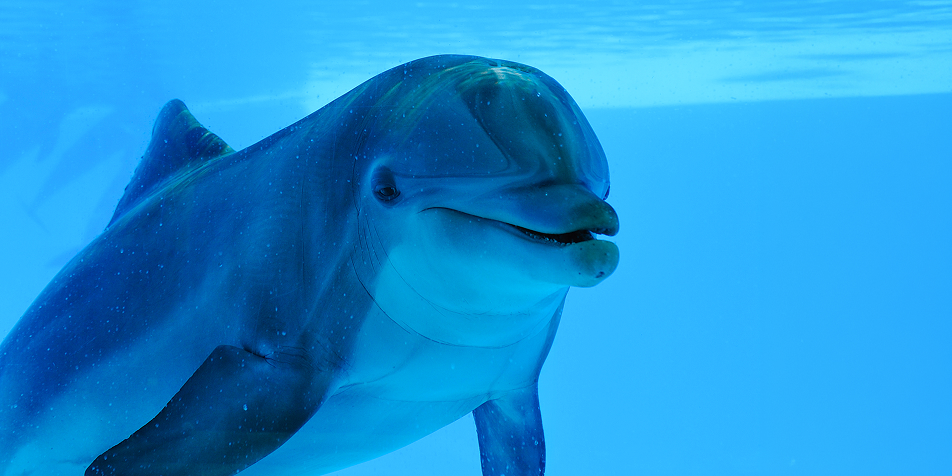
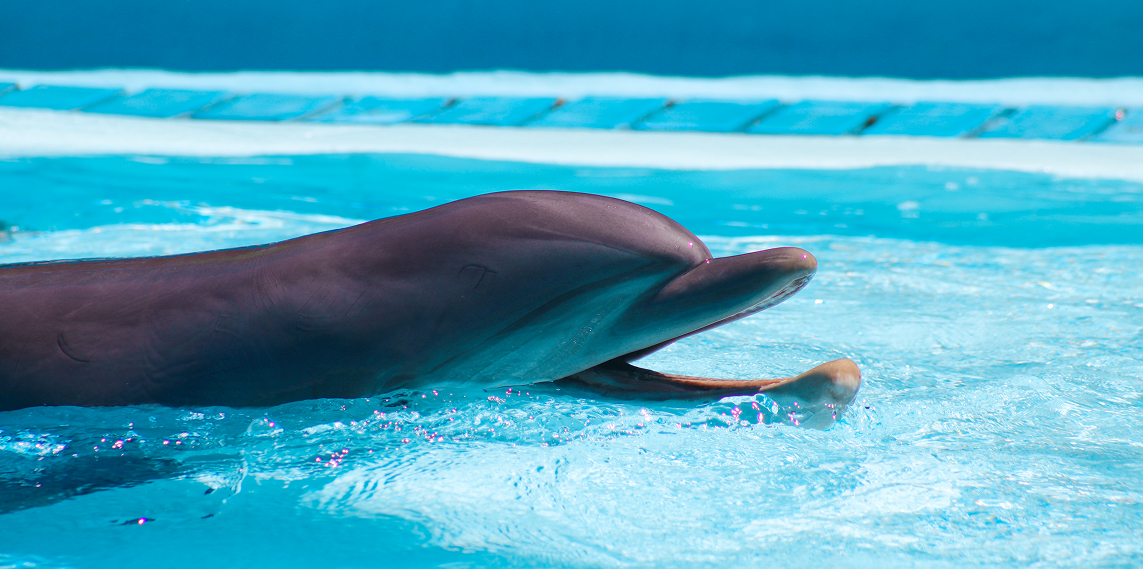
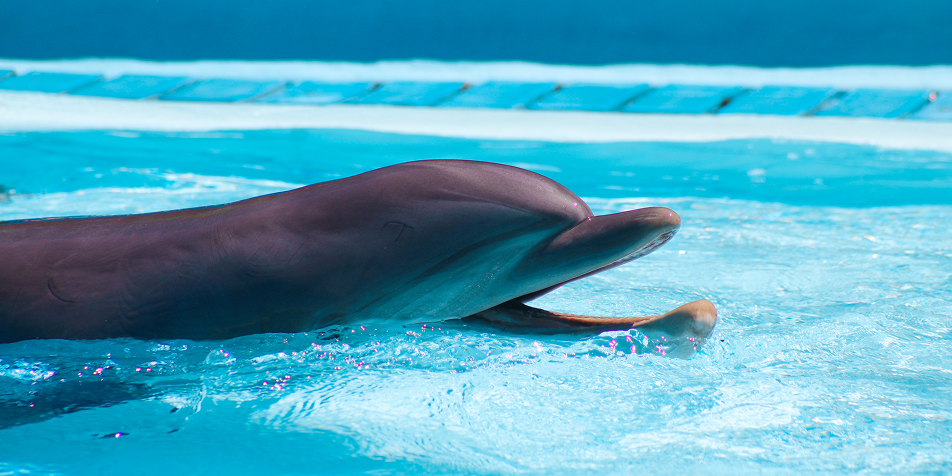
The bottlenose dolphin: ambassador of the oceans
It has the ability to form bonds with humans and inspires great affection in both children and adults. It is an excellent mimic, capable of replicating sounds. The bottlenose dolphin is one of the oceans’ most iconic species.
Get to know this fascinating animal!
Appearance and behaviour
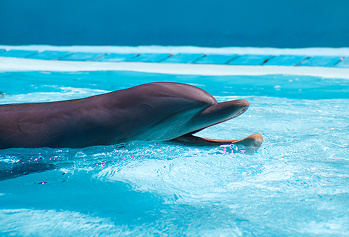
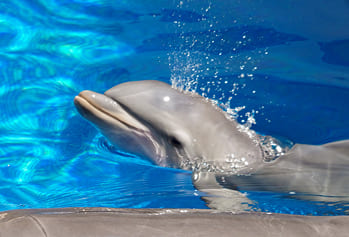
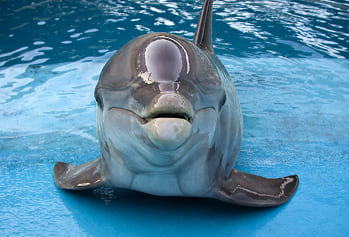
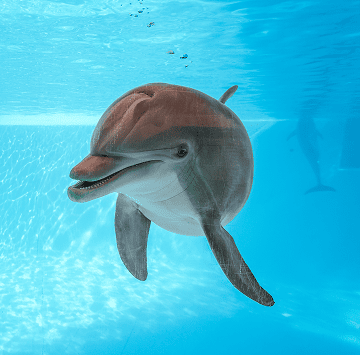
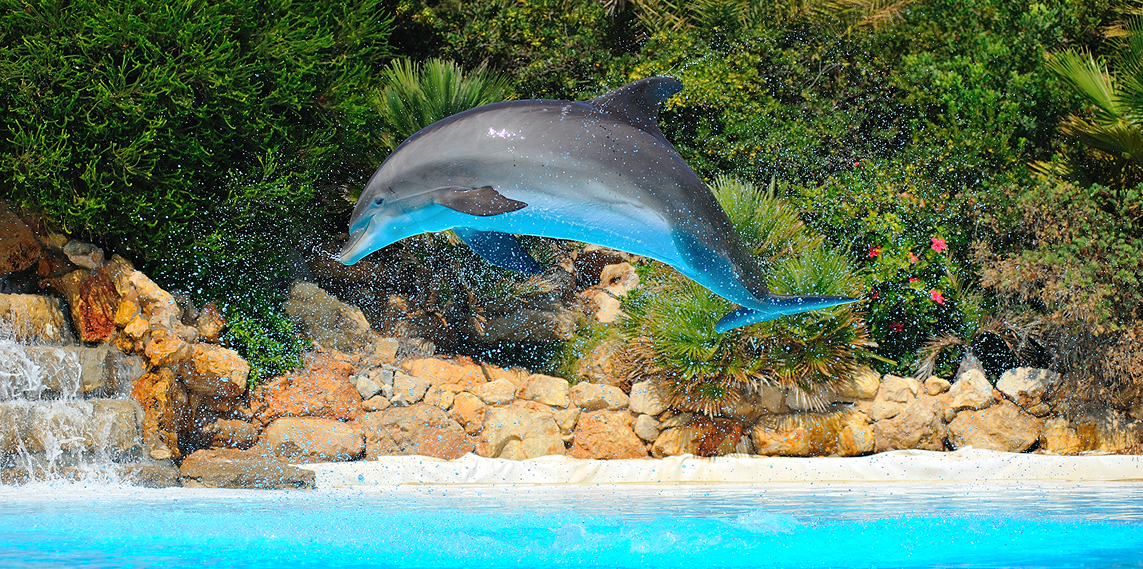
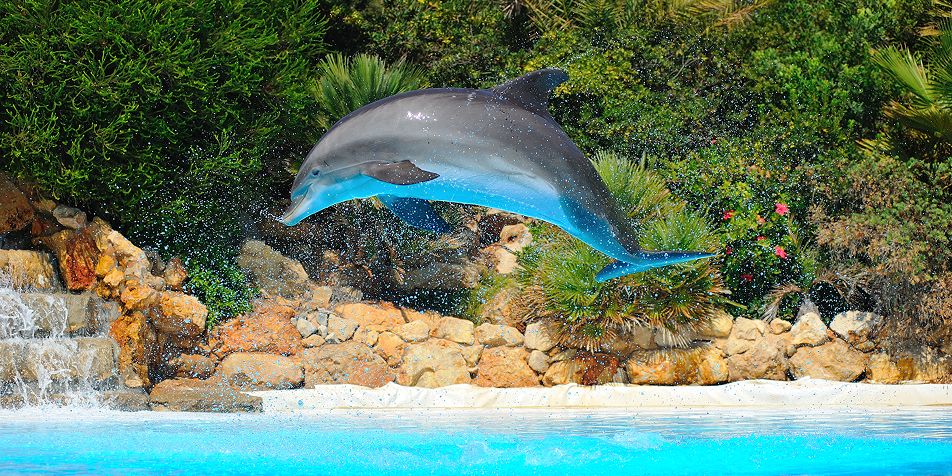
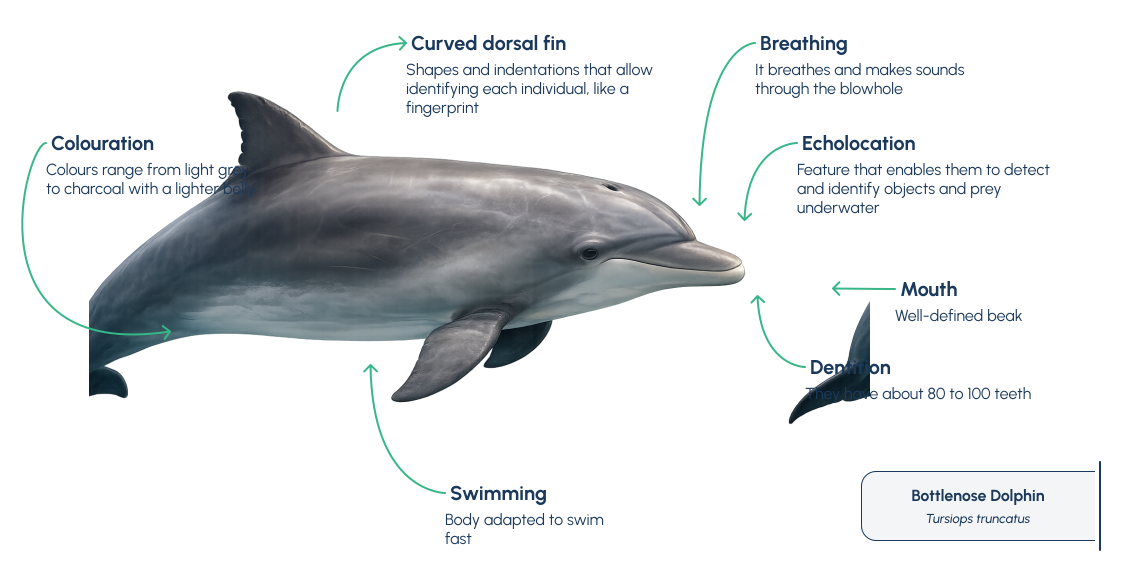
The bottlenose dolphin is easily identifiable by its curved dorsal fin and distinctive beak.
Bottlenose dolphins vary in colour from light grey to charcoal, including an inverted colour pattern (dark on the back and light on the belly), which allows them to blend into their surroundings. Depending on the location, it is also possible to find some darker patches on the underside.
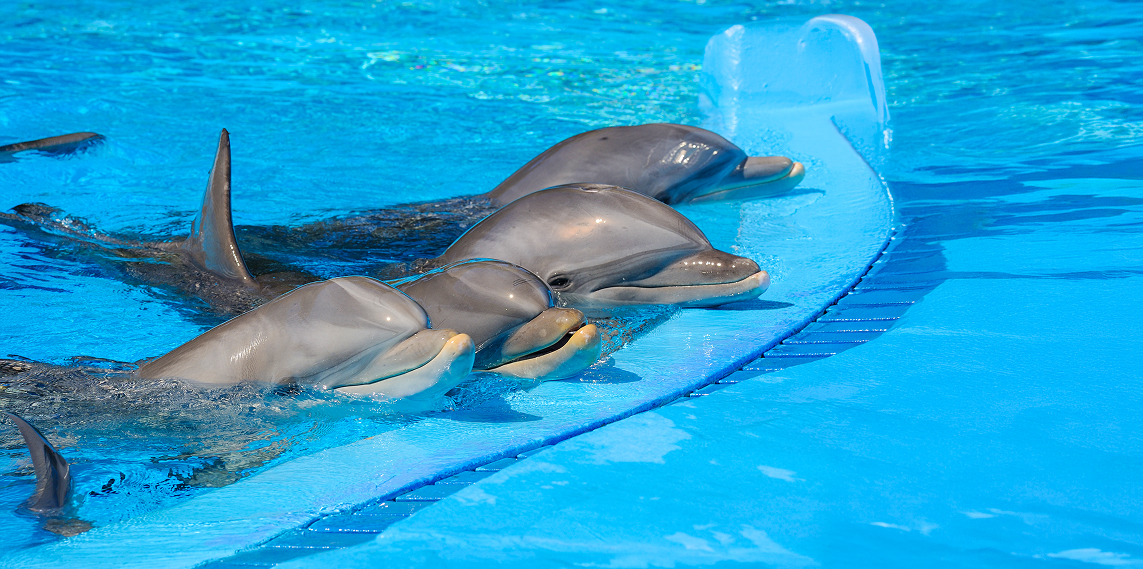
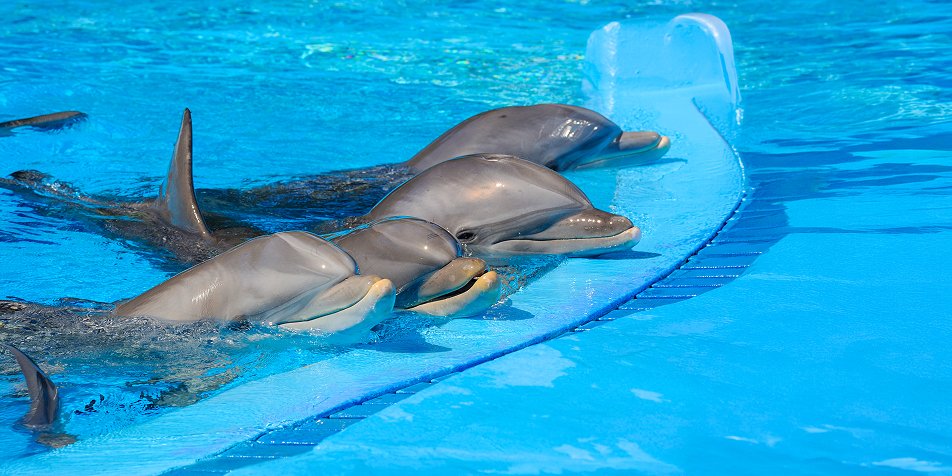
It lives in groups and communicates with other dolphins using a unique combination of whistles, clicks and sounds, which it also uses to detect and identify objects and prey underwater through echoes (known as ‘echolocation’).
Although it swims very fast, the bottlenose dolphin is not a light animal: it has an average weight of 200 kg and some individuals can reach up to 500 kg.
This dolphin has a body that is fully adapted for swimming at high speeds. On the top of its head is an opening, called a blowhole, through which it breathes and produces sounds.
Dolphins’ cognition is relatively sophisticated amongst non-human animals. Scientific research has shown the following:
- they are capable of learning and understanding the concept of ‘same’, whether through visual, auditory, or both types of stimuli;
- they can recognise signature whistles and specific sounds made by other dolphins;
- they cooperate with one another, devising strategies for hunting, mating or defence;
- they possess the ability to imitate vocal or motor behaviours.
Habitat and diet
The bottlenose dolphin can be found in a variety of habitats, in waters of varying depths. It is an animal adapted to living in estuaries, bays, shallow coastal waters or the open sea, in more distant oceanic areas.
It may hunt alone or in groups. Its favourite food consists of small and medium-sized fish (such as sardines or horse mackerel), cuttlefish, squid and crustaceans. It has, on average, between 80 and 100 identical conical teeth, which it uses to catch these prey.