





Lusitanian toadfish




Lusitanian toadfish: the ‘toad’ of the sea
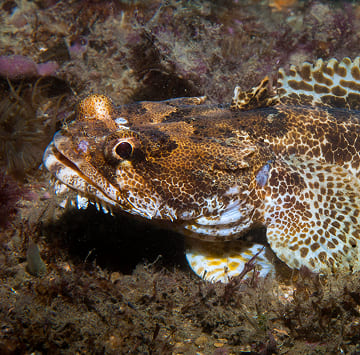
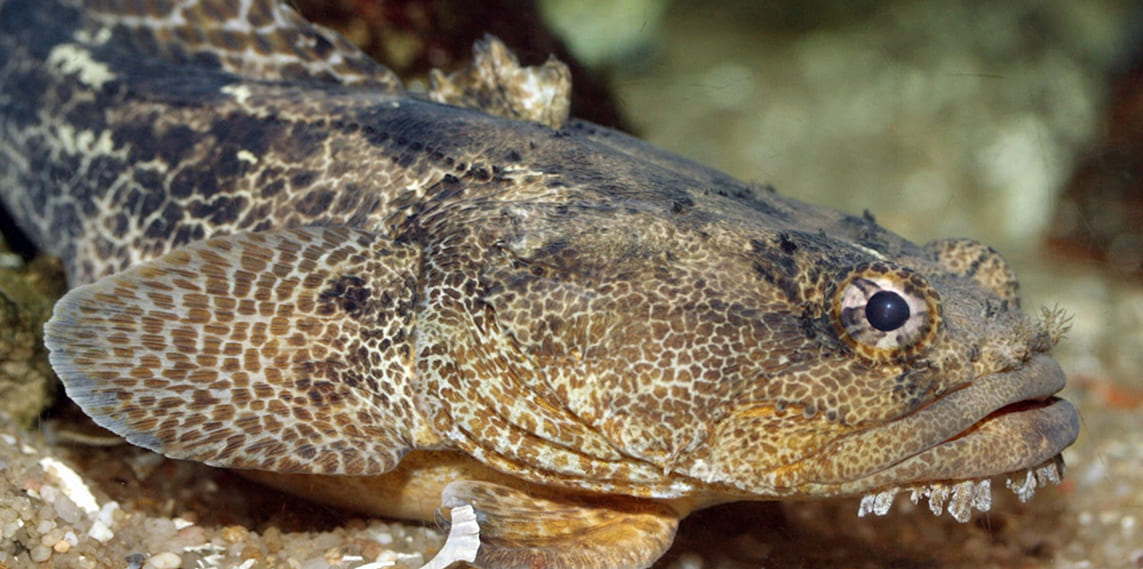
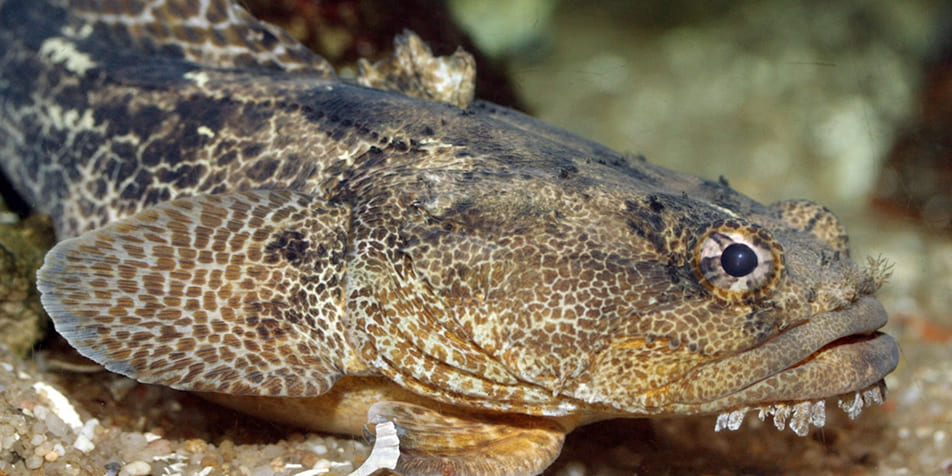
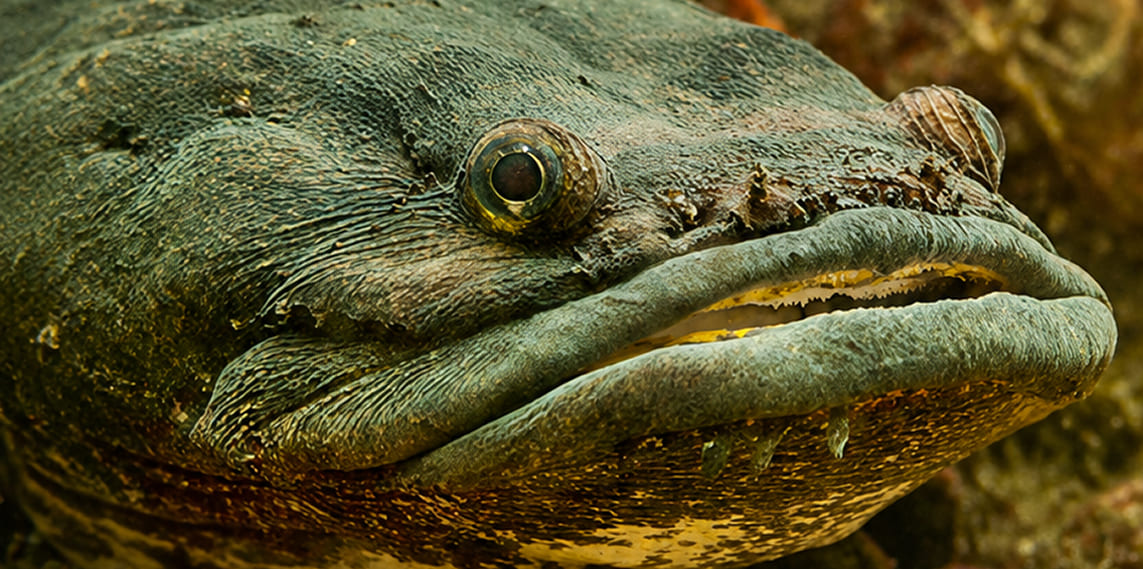
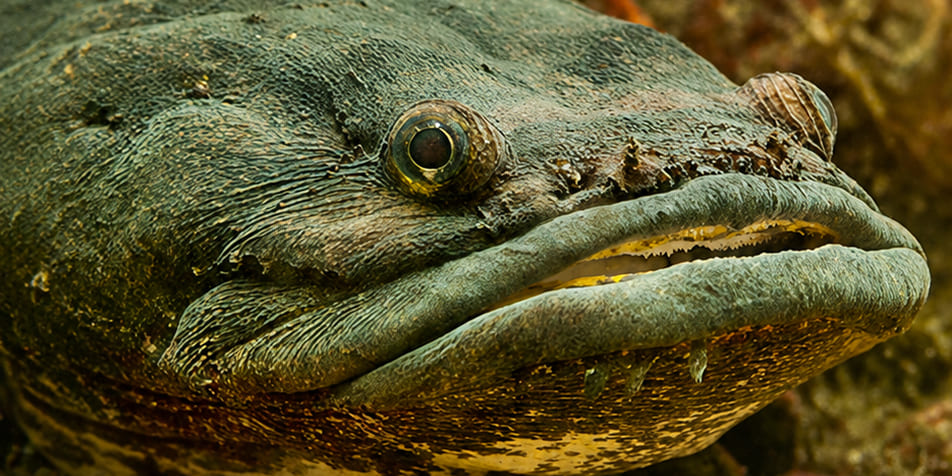
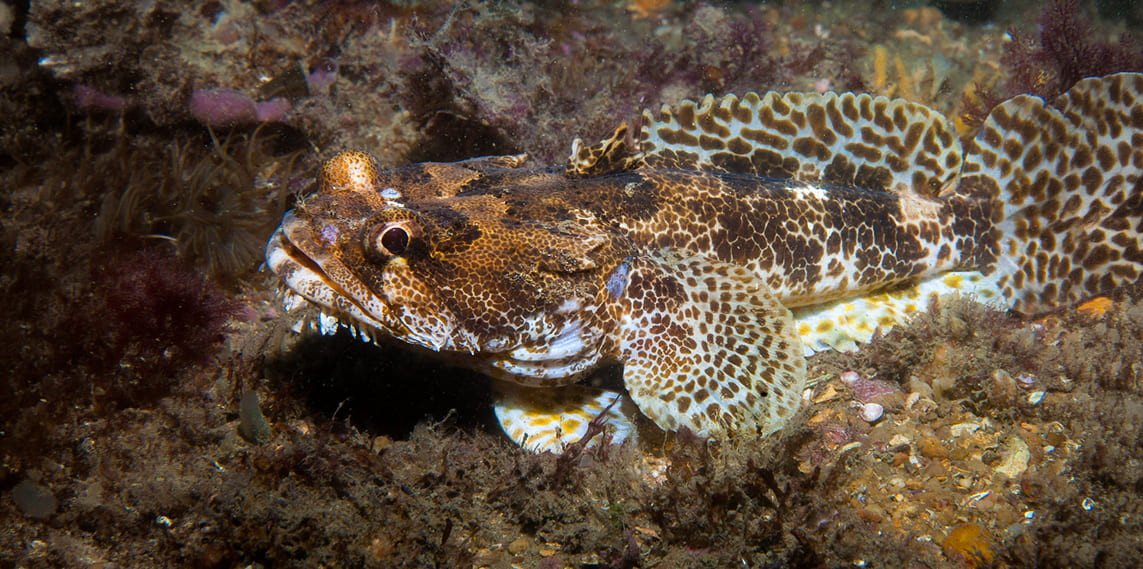
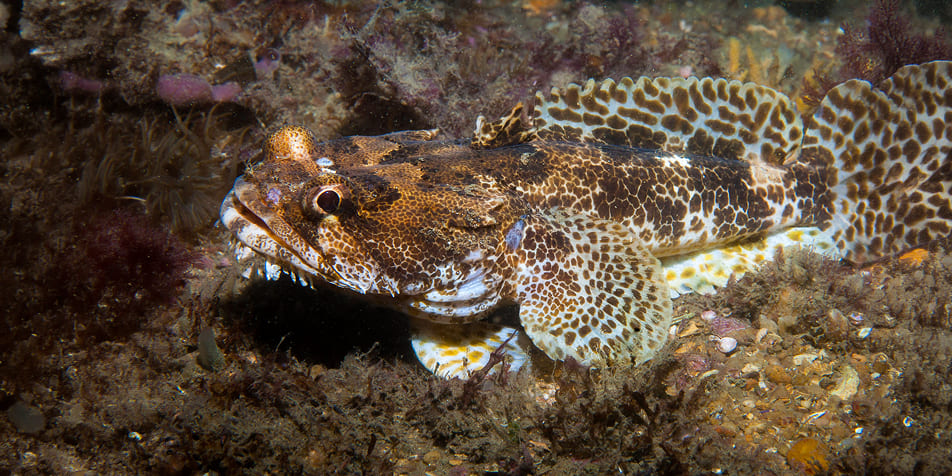
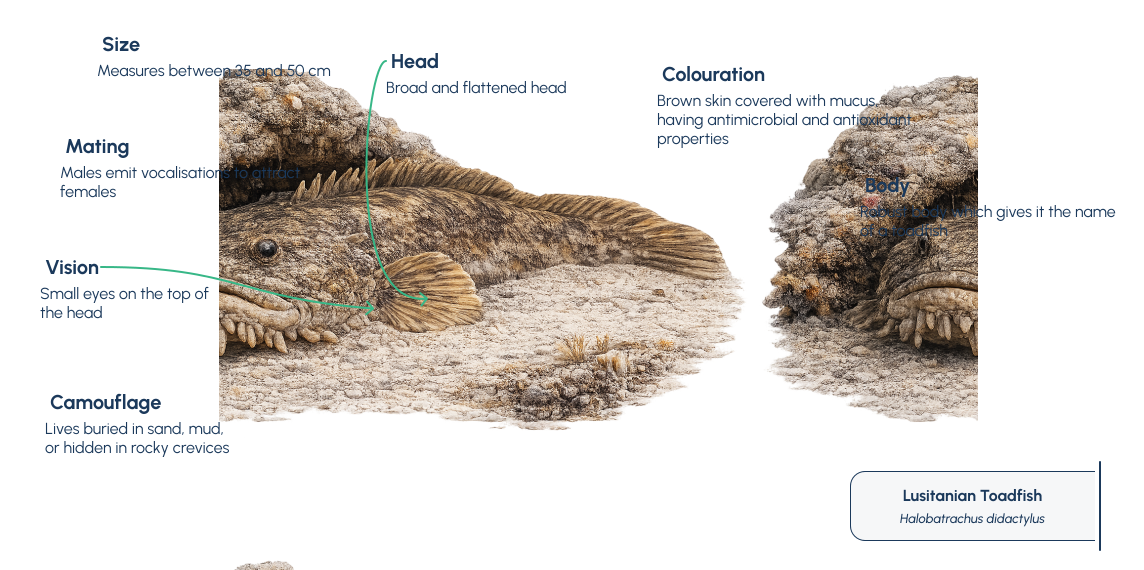
It is a robust, slow-moving and solitary fish that lives buried in sand or mud on the seabed, or hidden in rocky crevices. Its appearance is the reason behing it’s name toadfish.
Appearance and behaviour
The Lusitanian toadfish has a relatively short, robust body, with a broad, flattened head and small eyes positioned on top of the head. Its skin is covered in mucus and is generally brown in colour.
The mucus of the Lusitanian toadfish has antimicrobial, antihypertensive and antioxidant properties.
The Lusitanian toadfish breeds between February and June, particularly in spring, with males attracting females through their vocalisations. The males also build the nests and guard the eggs until they hatch, remaining close to the nest throughout this period.
Habitat and diet
It feeds mainly on crustaceans, molluscs and small fish. Its hunting strategy is based on ambush, remaining partially buried in the sand or hiding in rock crevices, and rapidly attacking prey that come within reach.