





Black tip reef shark




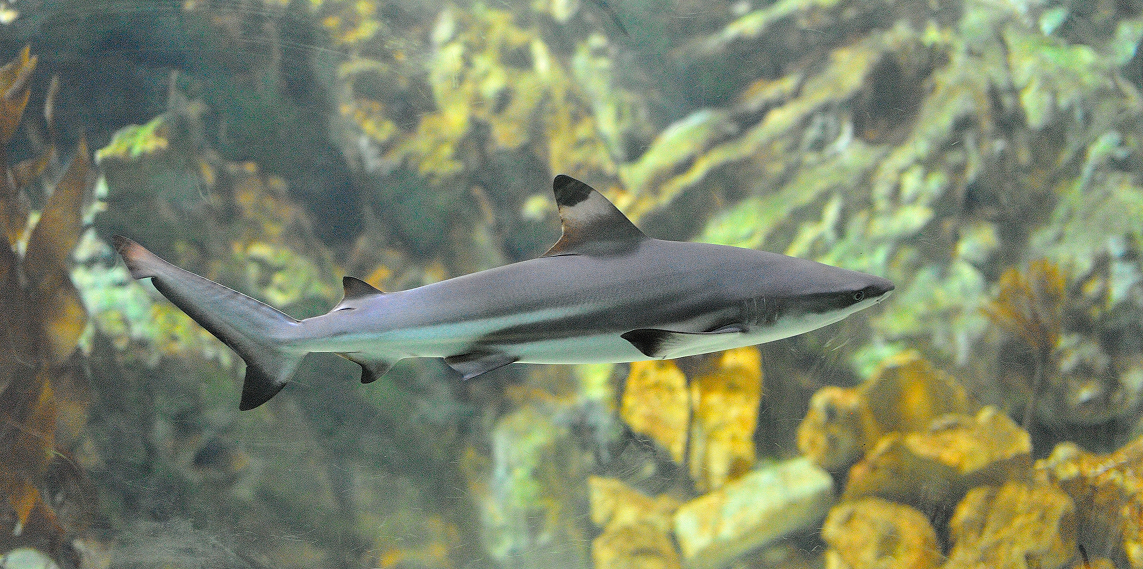
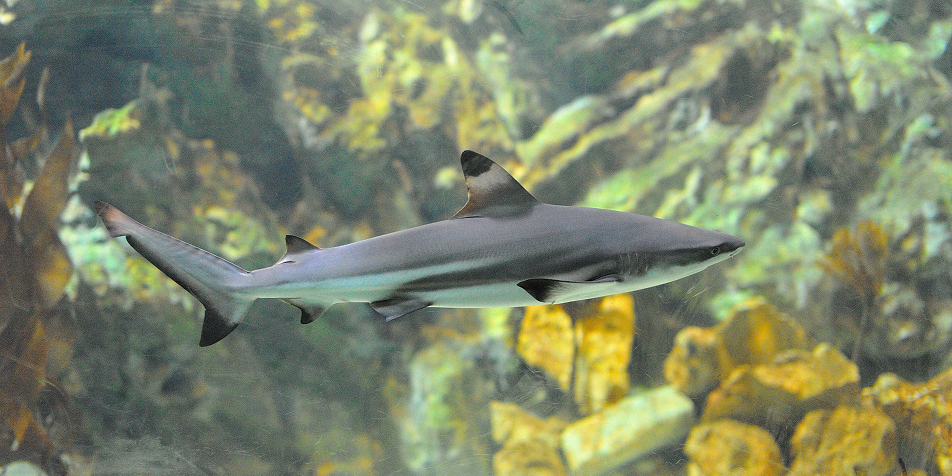
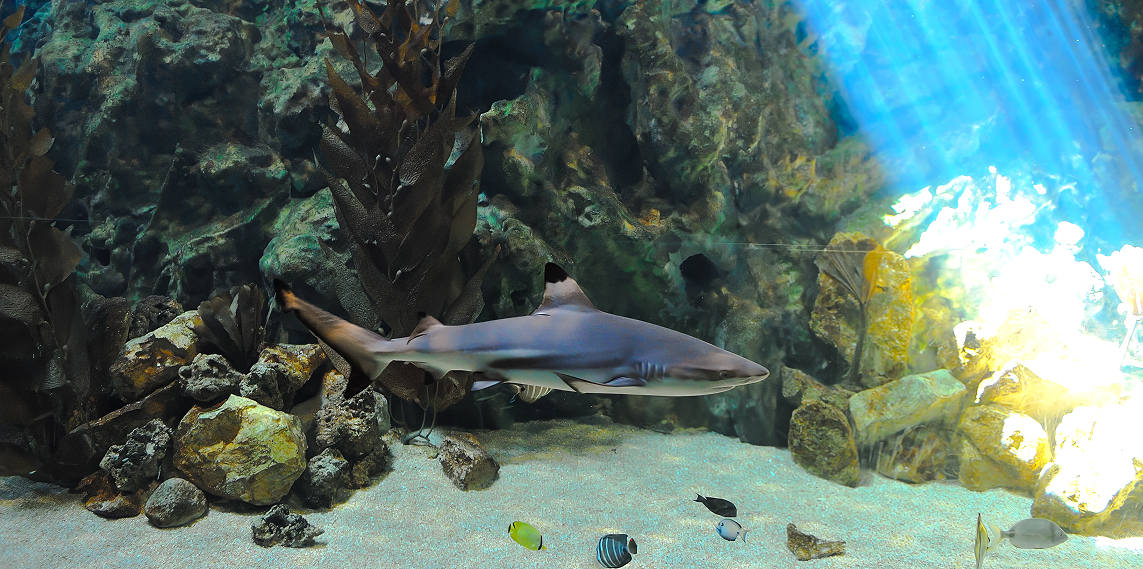
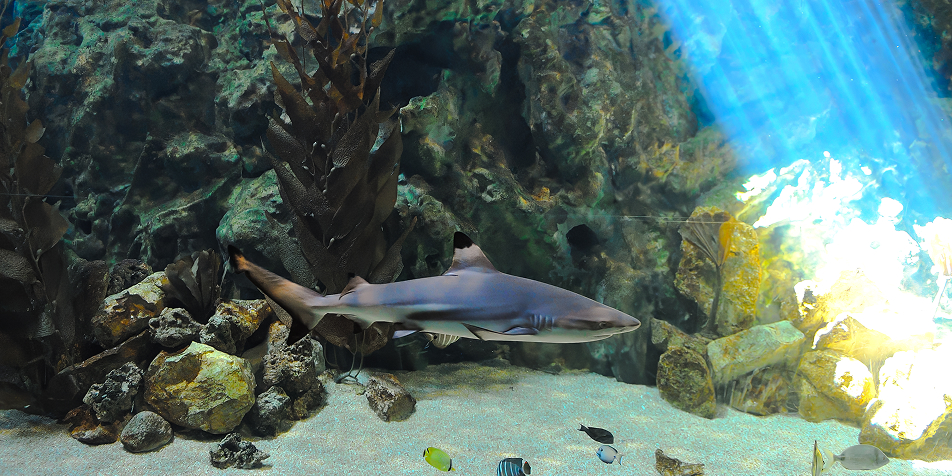
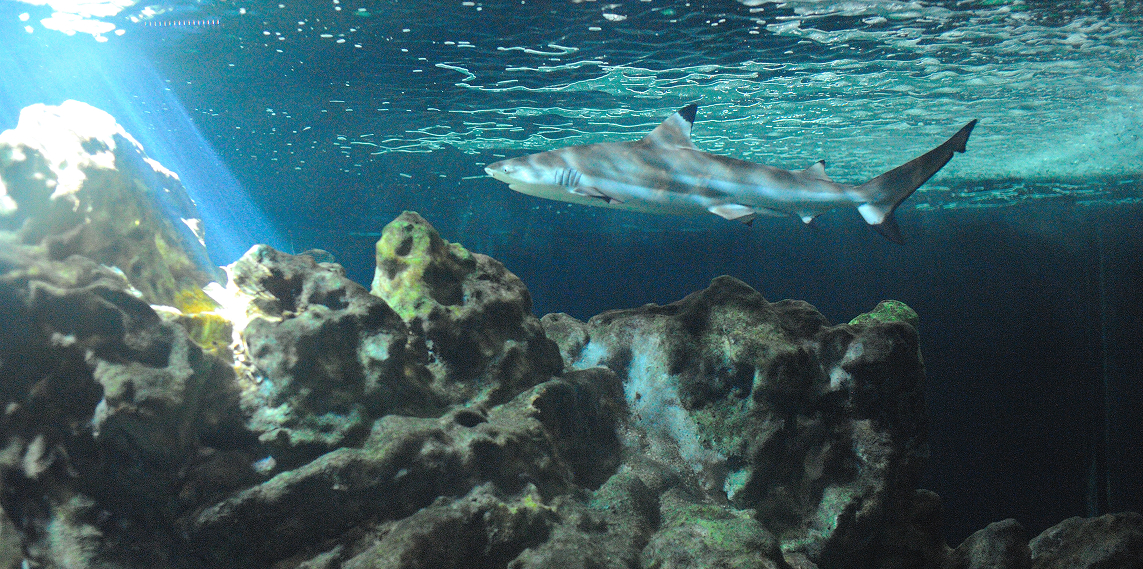
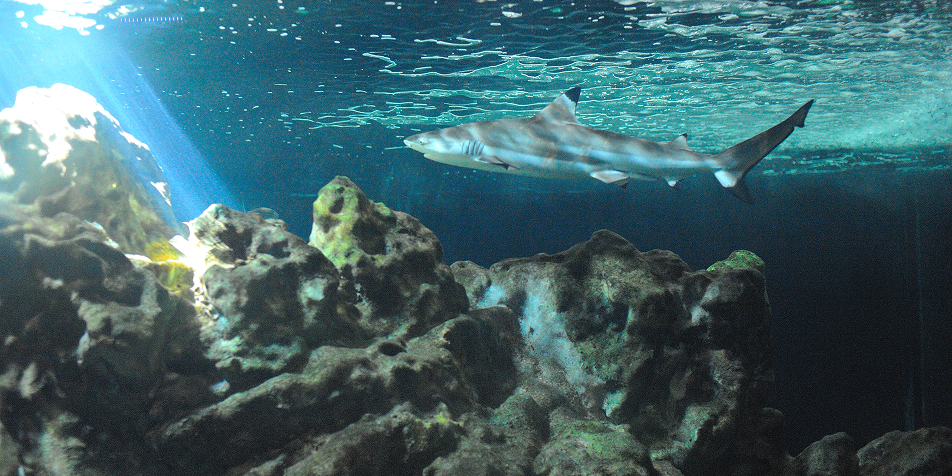
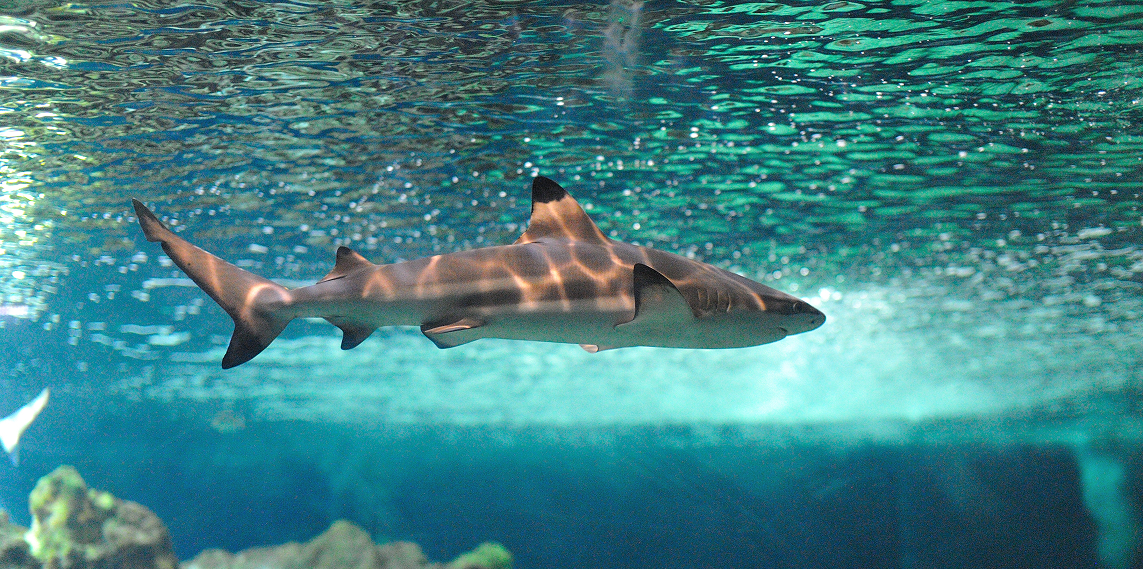
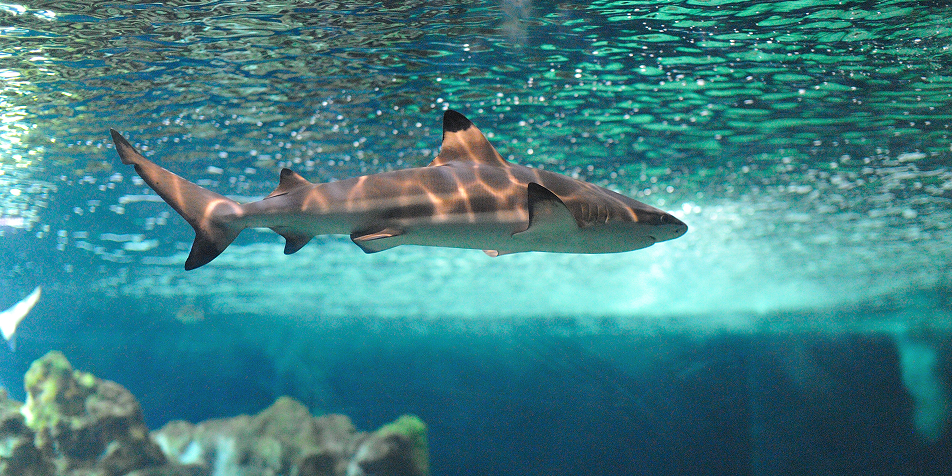
Blacktip reef shark, the predator with unmistakable fins
With its black-edged fins, the blacktip reef shark is one of the world’s most recognisable reef sharks.
This agile predator regulates fish and crustacean populations, preventing any species from becoming overabundant and upsetting the balance of the food chain. By forcing its prey to keep moving, it also contributes to the health of algae and corals.
Appearance and behaviour
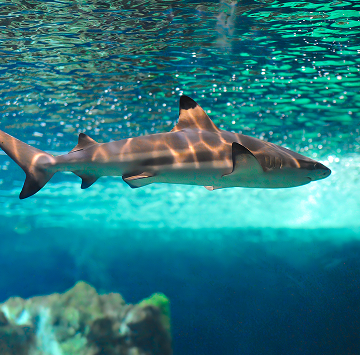
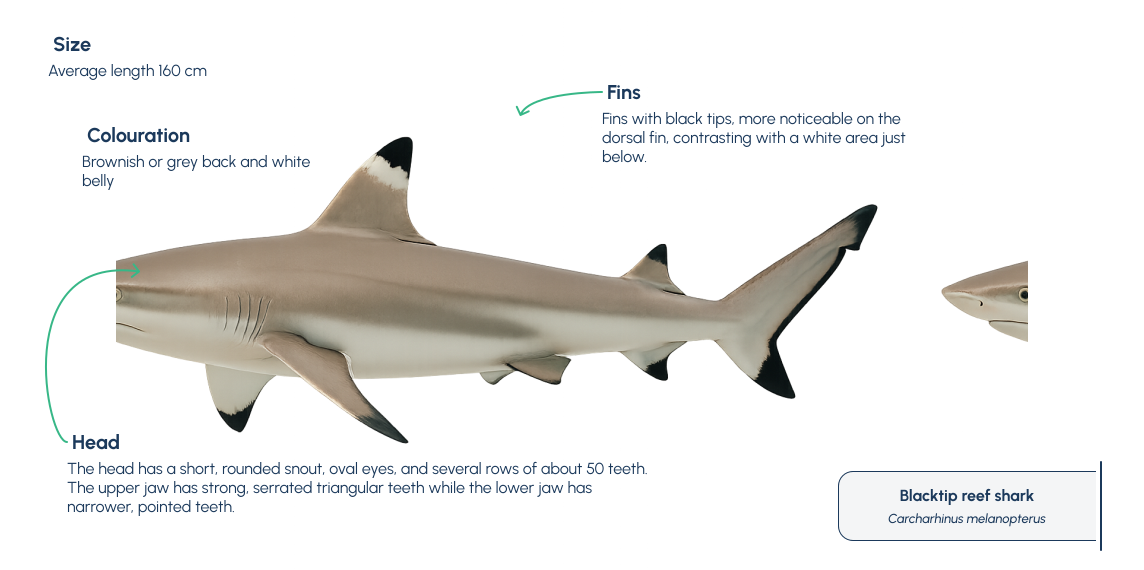
The Recife blacktip shark is medium-sized and easily recognisable by the distinct black tips on all its fins, which are particularly evident on the first dorsal fin, contrasting with a whitish area beneath. The back is brownish to greyish in colour and the belly is white. The head has a short, rounded snout, and the eyes are oval. The maximum recorded weight is 24 kg.
This shark is typically solitary or lives in small groups. Adults tend to congregate in reef channels at low tide.
To distinguish a male from a female, a closer look at the underside is sufficient: in males, tube-like structures can be seen near their pelvic fins. These structures are called pterygopods. Females do not have them.
The blacktip reef shark is viviparous, and females give birth to two to four pups per litter, measuring between 33 and 52 cm at birth. Unlike bony fish, sharks produce few offspring over the course of their lives.
Habitat and diet
This species inhabits coastal areas in the tropical waters of the Indian and Pacific Oceans, from the Red Sea and the east coast of Africa to the Hawaiian Islands and the Tuamotu Archipelago. It is also found in parts of the eastern Mediterranean basin, where it is thought to have entered via the Suez Canal. It can be found in shallow waters and is associated with coral reefs.
It feeds mainly on fish, but also on crustaceans, cephalopods and other molluscs. It forages for food in the coral reef zone, never straying far from this area.