





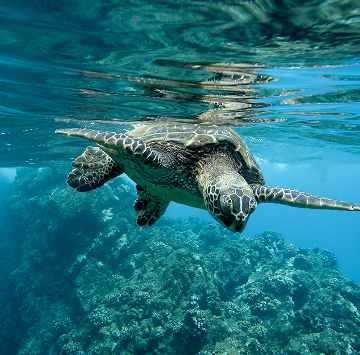
Loggerhead Sea Turtle



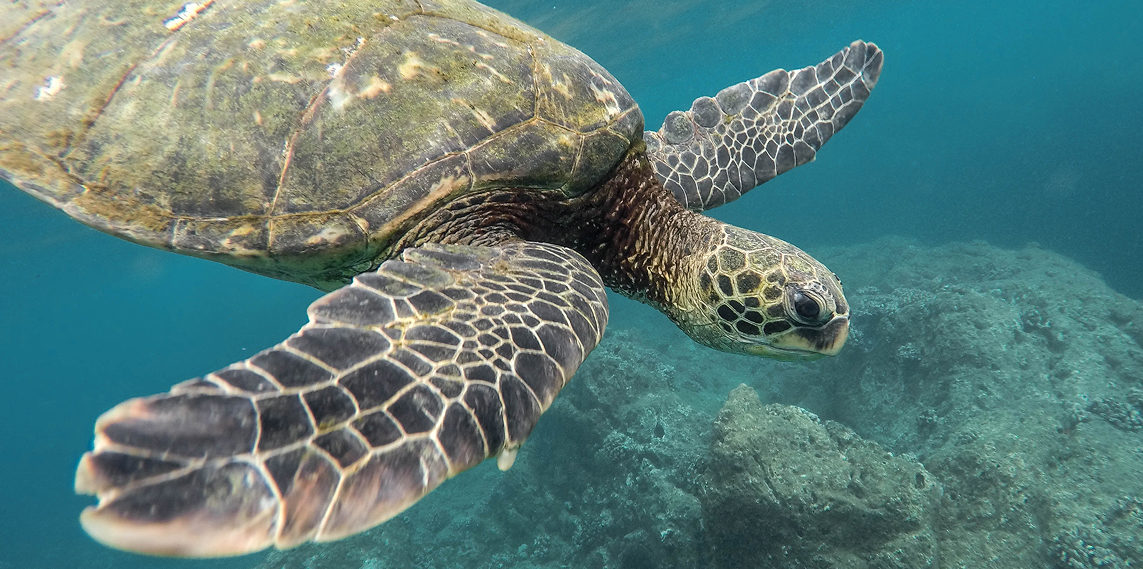
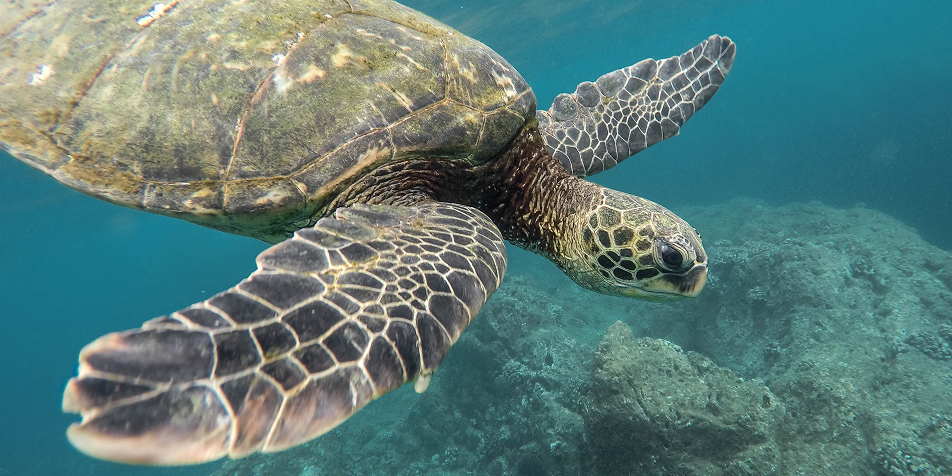
Loggerhead Sea Turtle: the tireless traveller
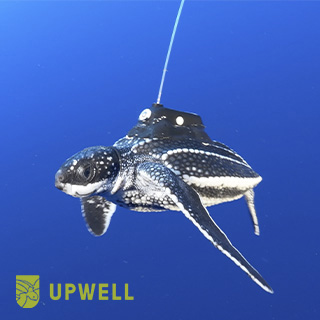
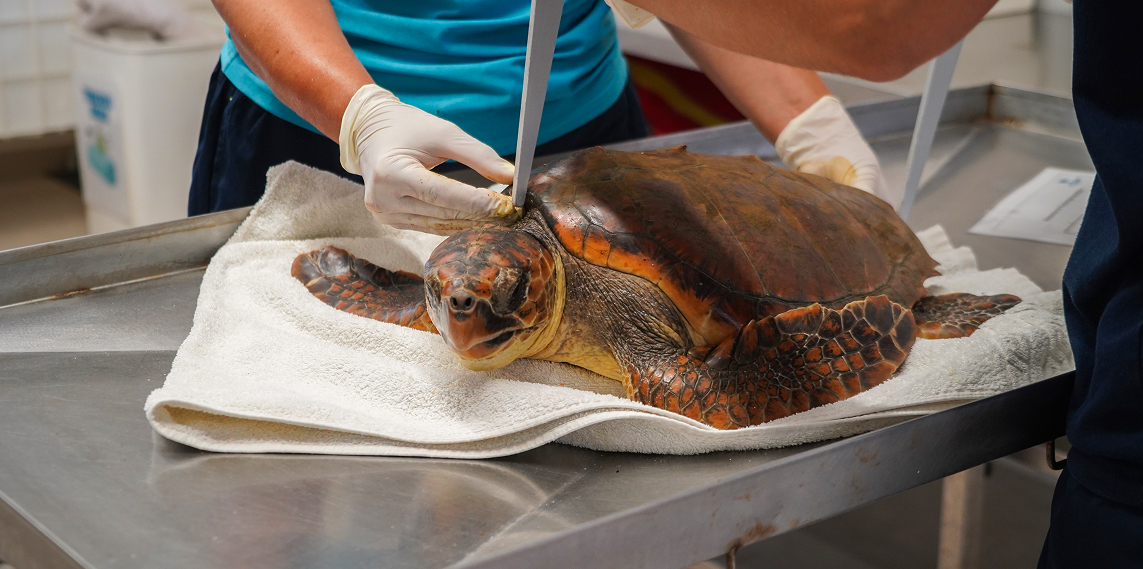
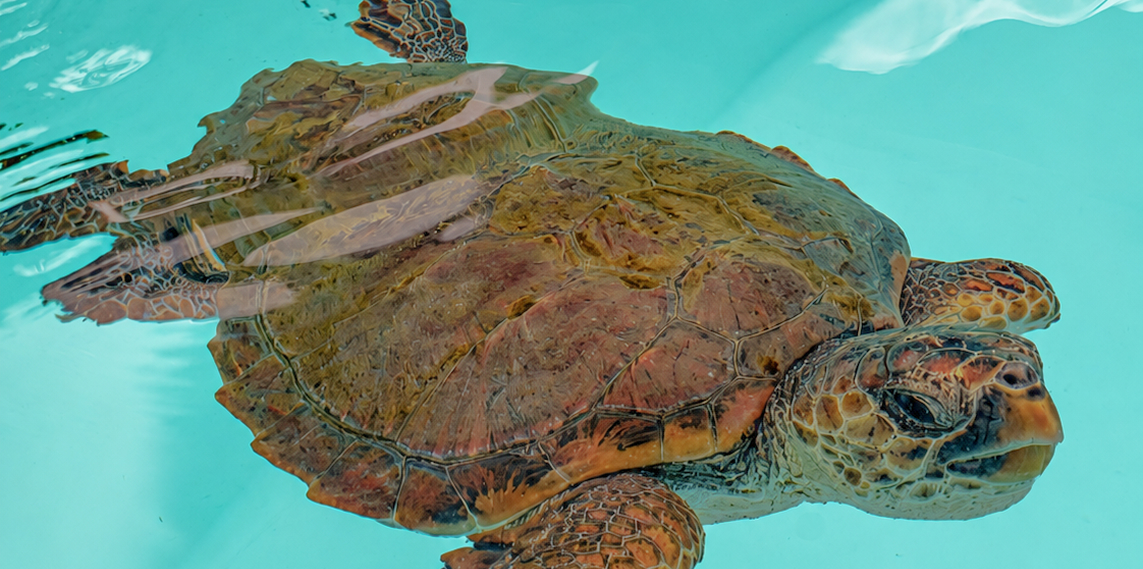
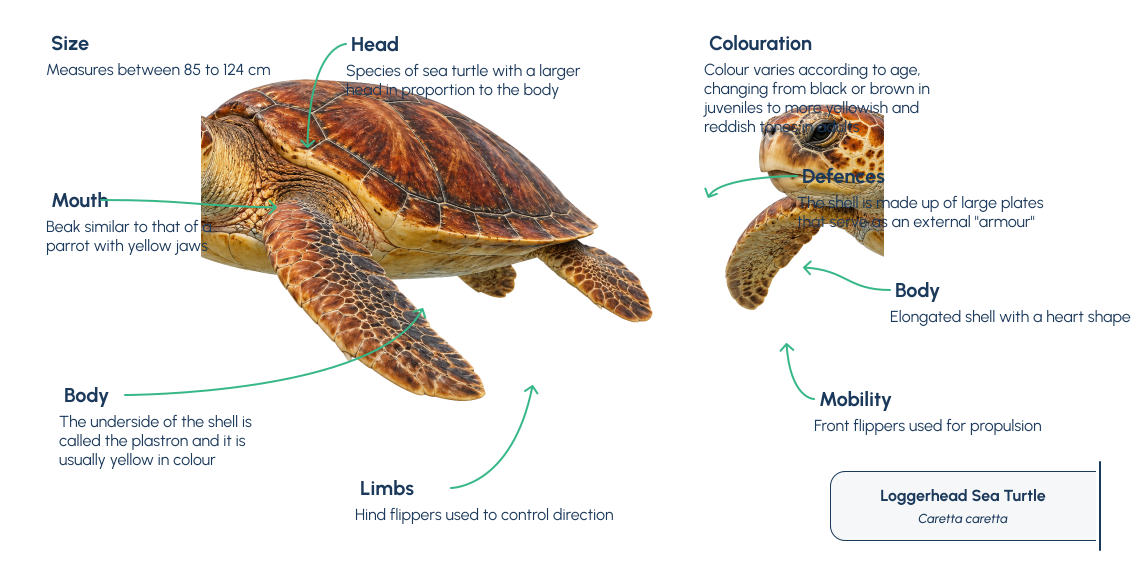
It may also be known as the big-headed turtle, as it is the species with the largest head (in proportion to its body).
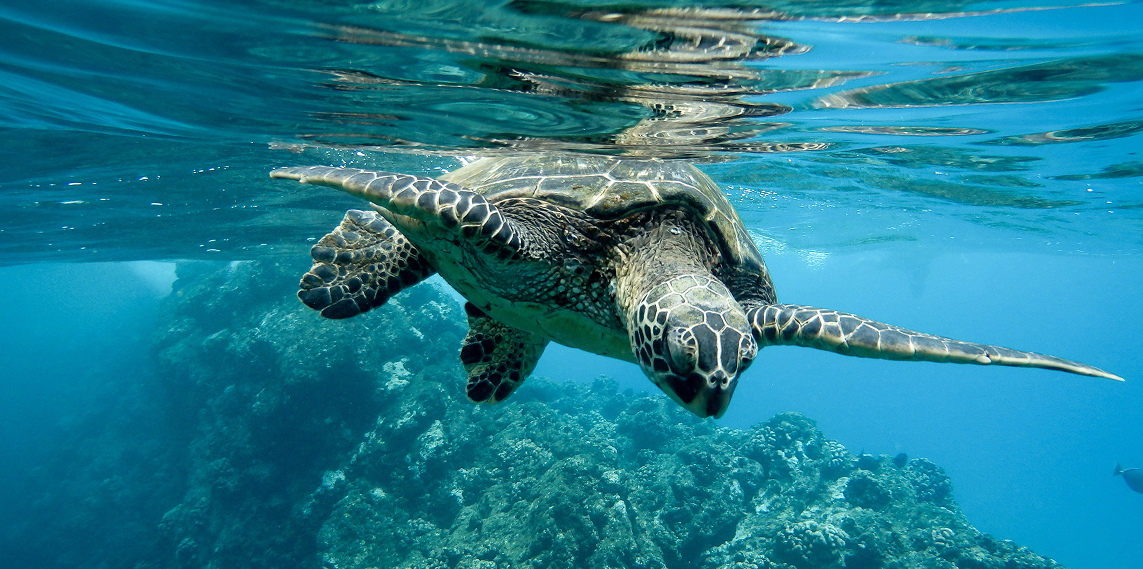
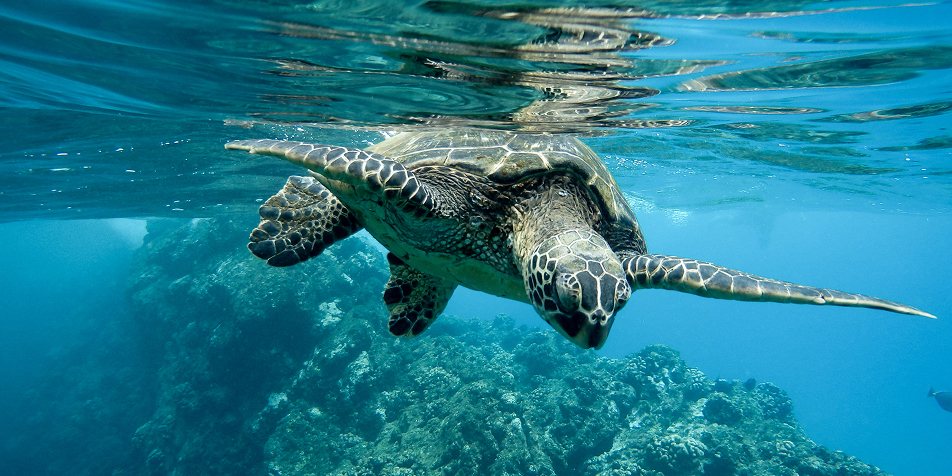
The front flippers are used for propulsion, whilst the rear ones steer the animal. The average duration of its dives is between 15 and 30 minutes. It is also known for its very strong jaws.
Appearance and behaviour
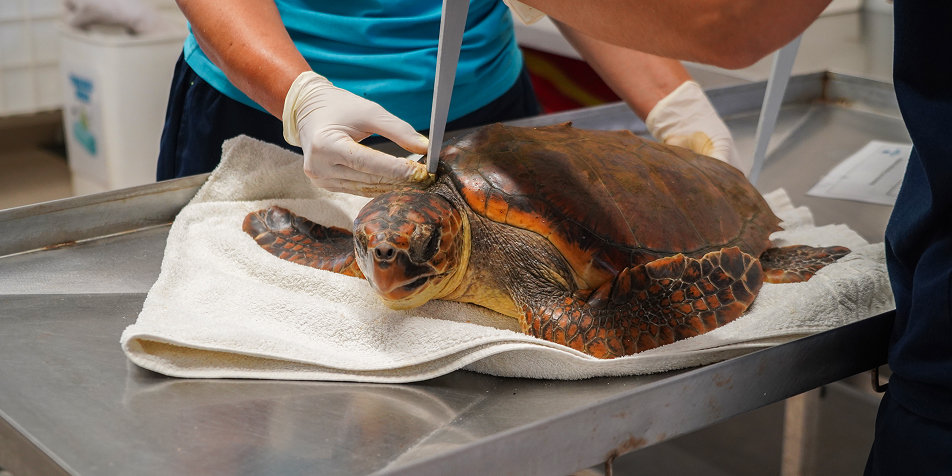
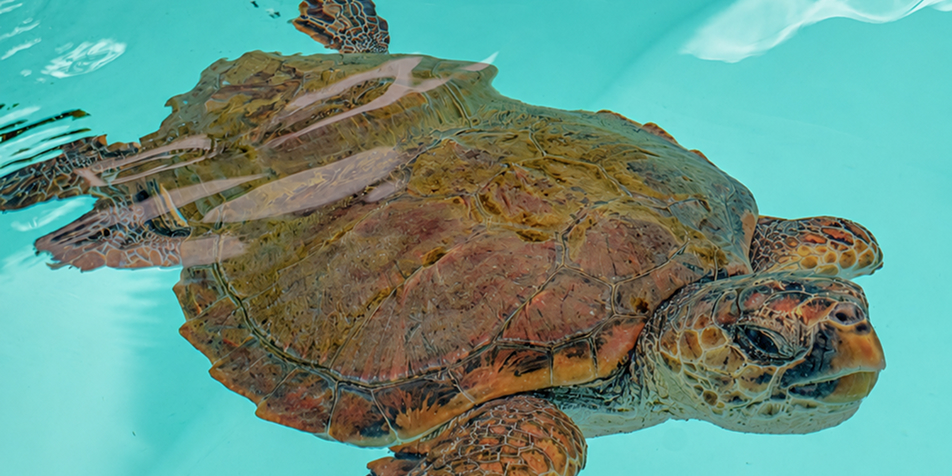
Their colour varies with age, ranging from brown or black (in juveniles) to more yellowish and reddish tones (in adults). They have dark brown eyes, a parrot-like beak and extremely powerful yellow jaws
These animals spend their lives at sea, with the exception of the females, who return to the same beach where they were born to lay their eggs. For the first 7–15 years, their lives are spent entirely in the oceans and, as science has not yet fully understood this period, it is known as the ‘lost years’.
Usually, the hatchlings emerge from beneath the sand at night and follow the reflection of the moonlight to the ocean.
Habitat and diet
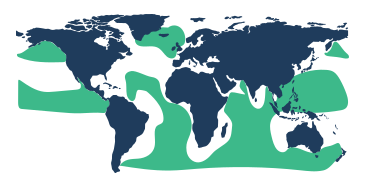
This species is migratory and is found in all the oceans, with the exception of the colder waters of the Arctic and Antarctic. Each animal can travel several hundred kilometres to its breeding grounds. Adults prefer coastal areas in temperate and subtropical regions, whilst juveniles are found almost exclusively on the high seas, migrating to coastal areas once they reach maturity.
It is an omnivorous species, known for its powerful jaws, which enable it to feed on various types of shellfish, such as crabs, mussels and other bivalves, but it can also eat soft-bodied animals such as jellyfish.