





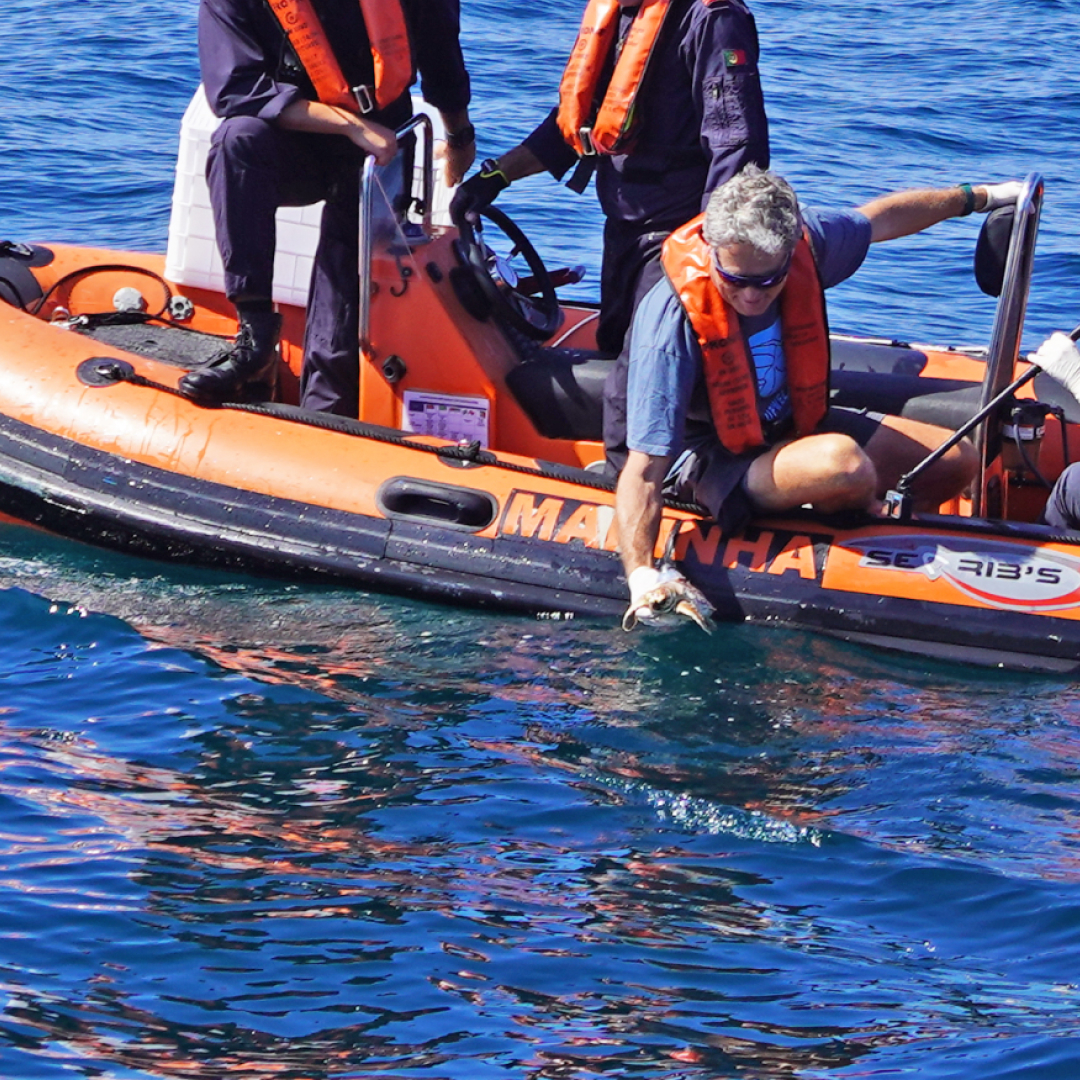
Zoomarine Algarve returns six juvenile sea turtles to the ocean with the support of the Portuguese Navy.
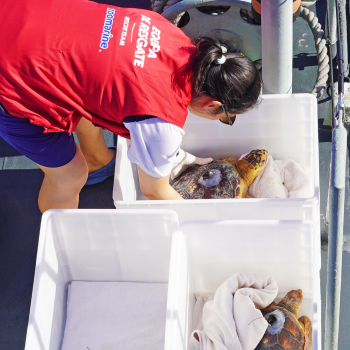
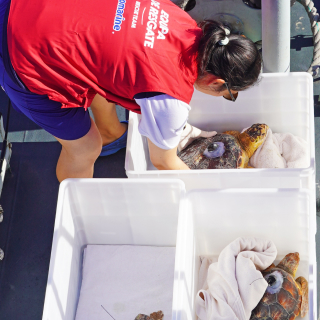
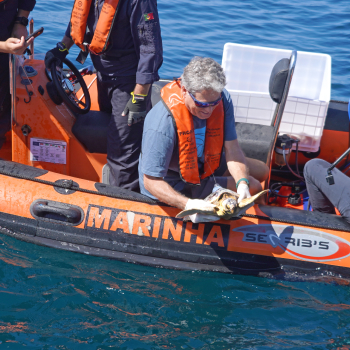
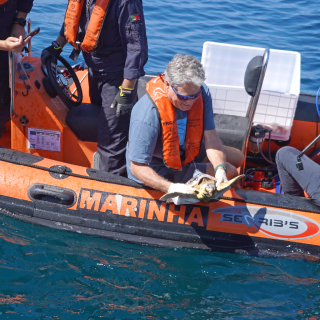
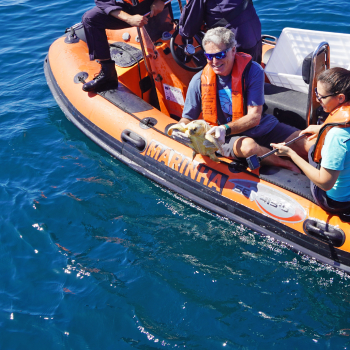
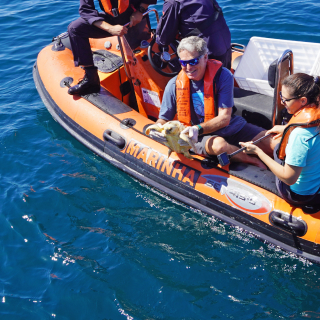
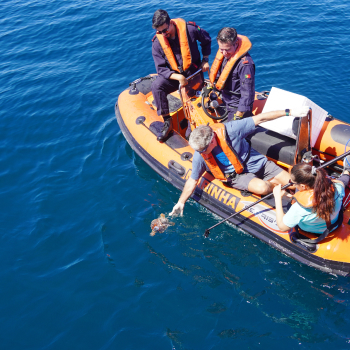
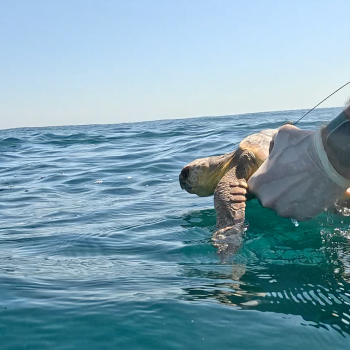
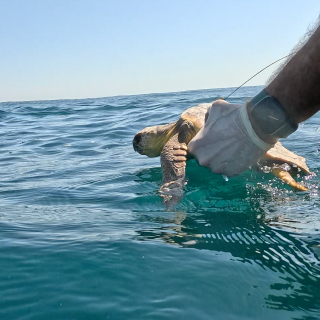
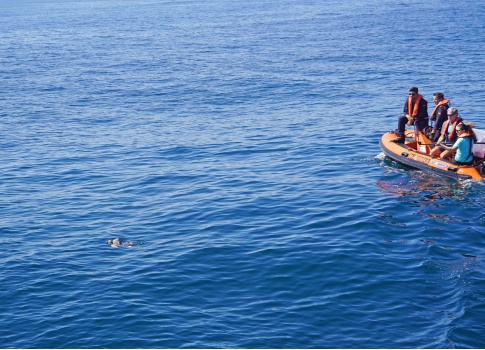
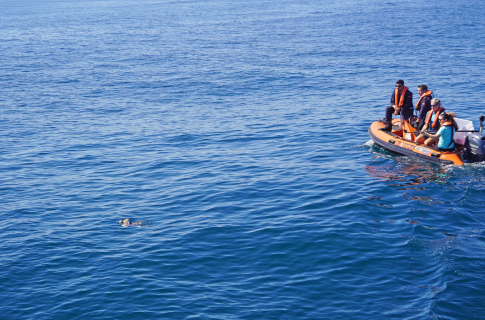
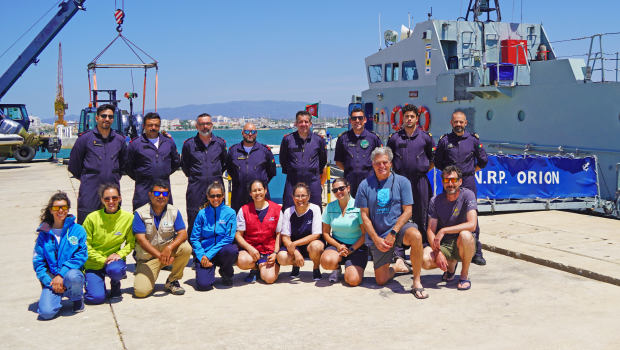
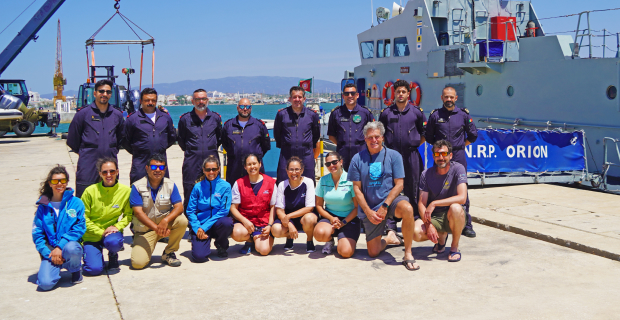
Zoomarine’s Porto d’Abrigo returned six juvenile sea turtles of the species Caretta caretta to the ocean last Thursday, 11 June, after several months of intensive care and rehabilitation. The operation took place aboard the NRP Oríon of the Portuguese Navy, under the command of Second Lieutenant Farinha Martins, which departed from the Naval Support Point of Portimão on a joint marine conservation mission.
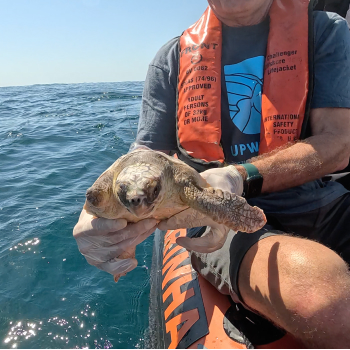
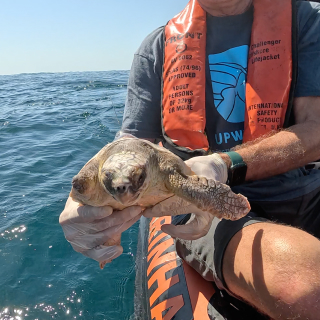
The protagonists of this release were Xena, Xerém, Xerazade, Xénia, Xamã and Frankie, six young sea turtles found in different locations along the Atlantic coast — five along the Portuguese coast and Frankie on the coast of Ireland. The first five arrived at Porto d’Abrigo in a weakened condition requiring specialised veterinary care, while Frankie was transferred to Portugal to take part in this release event back to the sea.
The release took place around 6 nautical miles off the coast of Portimão, outside the area of highest fishing effort, increasing the animals’ chances of survival upon returning to their natural habitat.
Among these recovery stories, Xena stood out due to her remarkable progress after being found stranded on the rocks at Praia da Mareta in Sagres with multiple injuries, exposed bone tissue, and pulmonary complications. Over four months of rehabilitation, she increased her weight from 2.9 kg to 4.7 kg and fully recovered her physical condition.
Xerém, found at Praia de São Torpes in Sines, arrived at Porto d’Abrigo with a previously healed amputation of her right front limb, blood abnormalities, intestinal issues, and evidence of ingesting small plastic fragments. Despite having only one front flipper, she demonstrated extraordinary adaptability, increasing her weight from 870 grams to 1.4 kg during recovery.
Xerazade, found weakened at Praia do Malhão in Vila Nova de Milfontes, had a very low body condition, significant blood alterations, and respiratory problems. Thanks to the care provided by the Porto d’Abrigo team, she recovered from 466 grams to 1.1 kg, meeting all conditions to return to the ocean.
Xénia was found by a maritime tourism vessel, “Capitão Nemo”, off Porches, in Lagoa, floating without reaction to the boat’s approach and with heavy algae accumulation on her shell. On arrival, she showed dehydration and inflammation of the digestive tract. During rehabilitation, she increased from 4.1 kg to 5 kg and her shell length grew from 30.3 cm to 31.2 cm.
Xamã, found by AIMM Portugal (Association for the Research of the Marine Environment), arrived lethargic and with buoyancy problems linked to pulmonary conditions. Weighing 2.4 kg and measuring 25 cm in shell length upon admission, her name symbolises resilience and recovery, returning strengthened to the ocean.
Finally, Frankie was found on 28 November 2025 in Belmullet, County Mayo, Ireland, and admitted to Dingle Oceanworld dehydrated, with symptoms of pneumonia and buoyancy issues. She was transferred to Porto d’Abrigo on 16 May 2026 to enable her release in warmer waters more suitable for the species. During her stay, she increased from 4.4 kg to 4.7 kg and her shell length grew from 28.3 cm to 30.1 cm.
“Every return to the ocean is a moment of great joy for the Porto d’Abrigo team. These are six juvenile turtles, six distinct stories of survival and recovery, now returning to their natural habitat with renewed opportunities for life. Xena, Xerém, Xerazade, Xénia, Xamã and Frankie arrived in very fragile conditions, and seeing them return to the sea is also a sign of the importance of joint work between citizens, rehabilitation centres, the scientific community, and entities such as the Portuguese Navy,” said Antonieta Nunes, veterinary nurse responsible for Porto d’Abrigo at Zoomarine.
“As Commander of the Southern Maritime Zone, I would like to highlight the excellent partnership between the Navy and Zoomarine, which enabled the return of six sea turtles to the ocean after a period of recovery and specialised care at Zoomarine’s Porto d’Abrigo. This action represents a remarkable example of cooperation between entities that share the commitment to protecting the marine natural heritage and preserving the biodiversity of our oceans. The success of this release results from the dedication, competence, and commitment of all professionals involved, demonstrating that joint work is essential to ensure marine species conservation and the sustainability of ecosystems that we are responsible for protecting for future generations”, stated Commander Conceição Dias, Commander of the Southern Maritime Zone, part of the Marinha Portuguesa.
Before being released back into the sea, the six turtles were identified through microchips placed in their front flippers, allowing for future identification and monitoring if they are observed again. The operation also involved researchers Frédéric Vandeperre from the COSTA project (Okeanos – Research Centre of the University of the Azores) and George Shillinger from the international organisation Upwell.
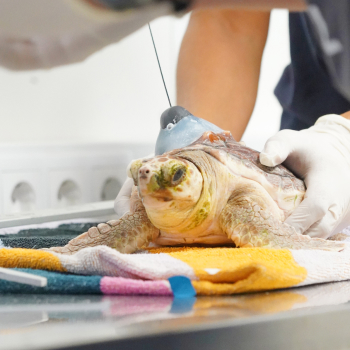
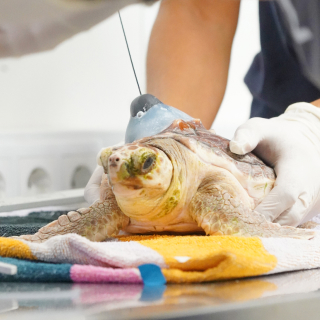
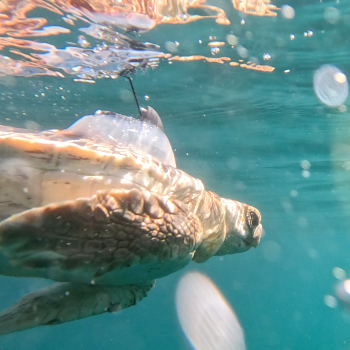
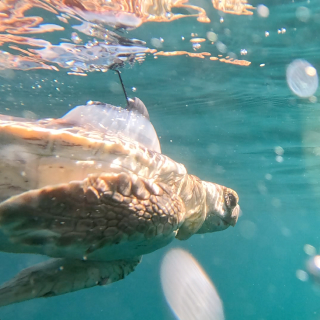
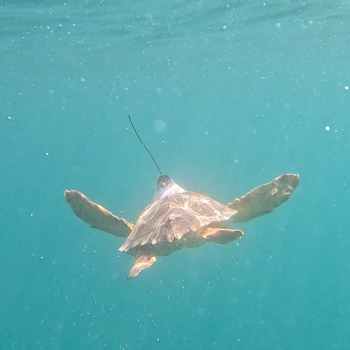
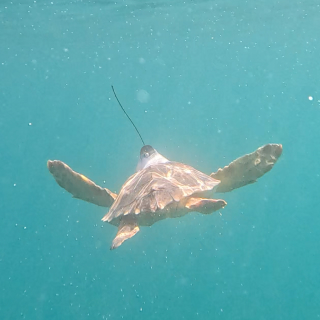
As part of the partnership between Zoomarine and Upwell, ultra-light satellite transmitters were also installed on the shells of the released turtles. These devices allow tracking of the animals’ movements via the ARGOS satellite system, collecting valuable information about their migratory routes, preferred habitats, and environmental conditions encountered along the way. The transmitters are non-invasively attached to the shell and are designed to detach naturally over time due to seawater, ocean currents, and the animals’ growth.
The initiative had the support of the Portuguese Navy and reinforces Zoomarine’s ongoing commitment to marine biodiversity conservation. Since the creation of Porto d’Abrigo in 2002, hundreds of marine and aquatic animals have been rehabilitated and returned to their natural habitat.