





Do sharks have more "eyes than belly"?
Aquariums around the world act as guardians of marine life, housing a variety of elasmobranch species in their commitment to the conservation and welfare of their residents. However, balancing the cohabitation of natural predators such as sharks with other fish without encouraging predatory instincts presents a significant challenge.
The mission? The main objective of the study was to examine the behaviour of these species by introducing alternative feeding mechanisms:
To determine the most favourable feeding method for each species, given that each species has different physiological and ecological capabilities; and at what time of day each species prefers to interact (morning, afternoon, or evening);
Identify the most effective way for these animals to feed on prey, reducing the risk of any natural predation and promoting natural behaviours;
Contribute to the continuous improvement of animal welfare plans.
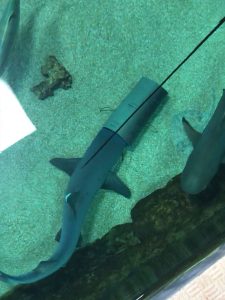
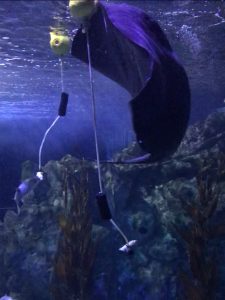
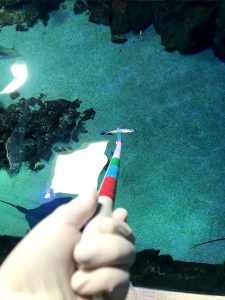
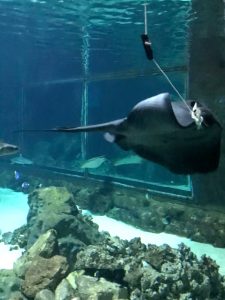
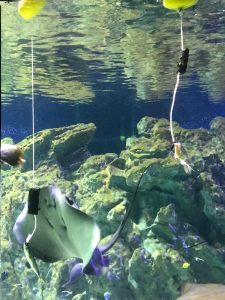
The tools? Four different feeding methods — pole, short float, long float, and PVC — combined with a selection of five prey species served at different times of the day.
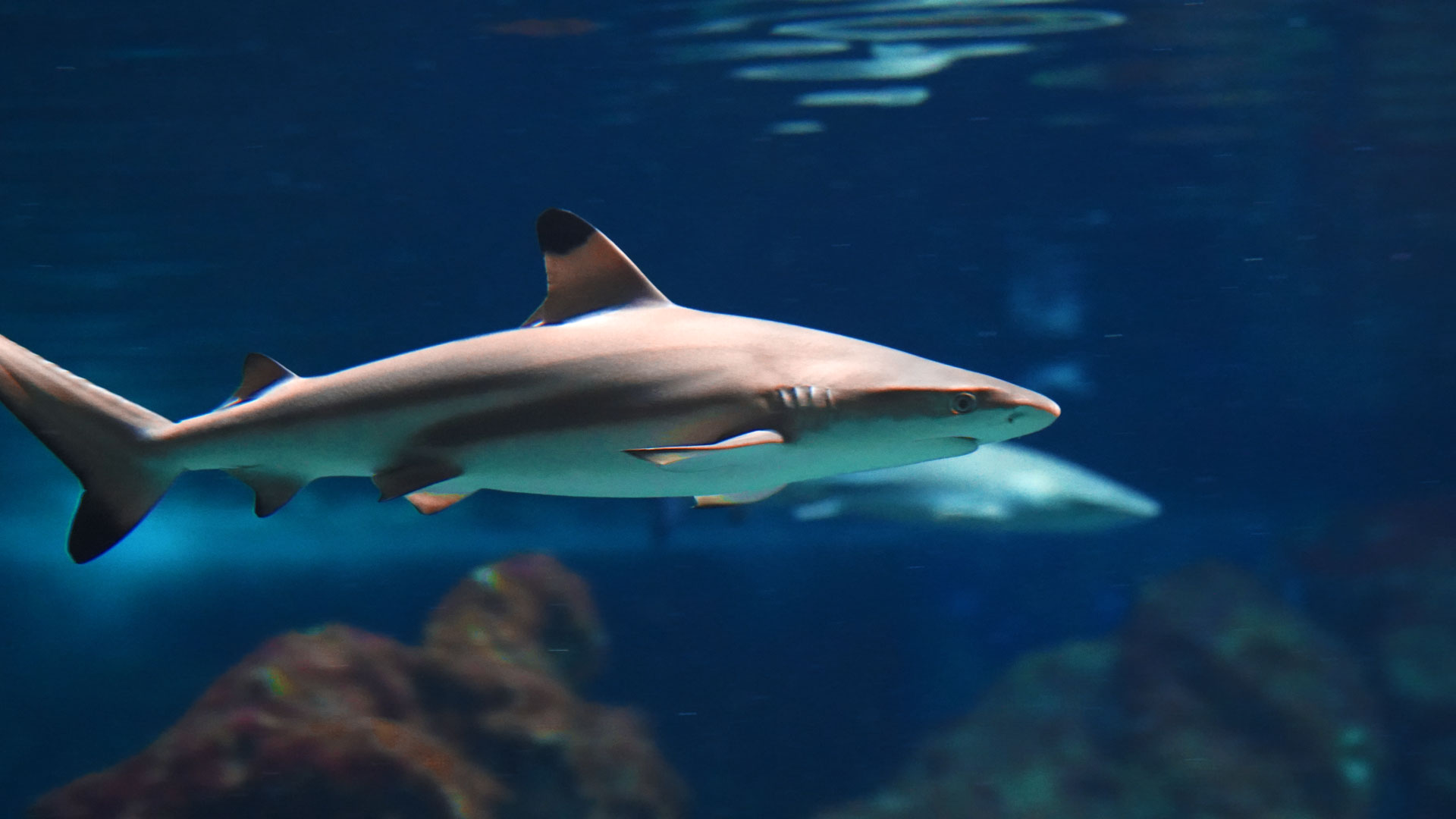
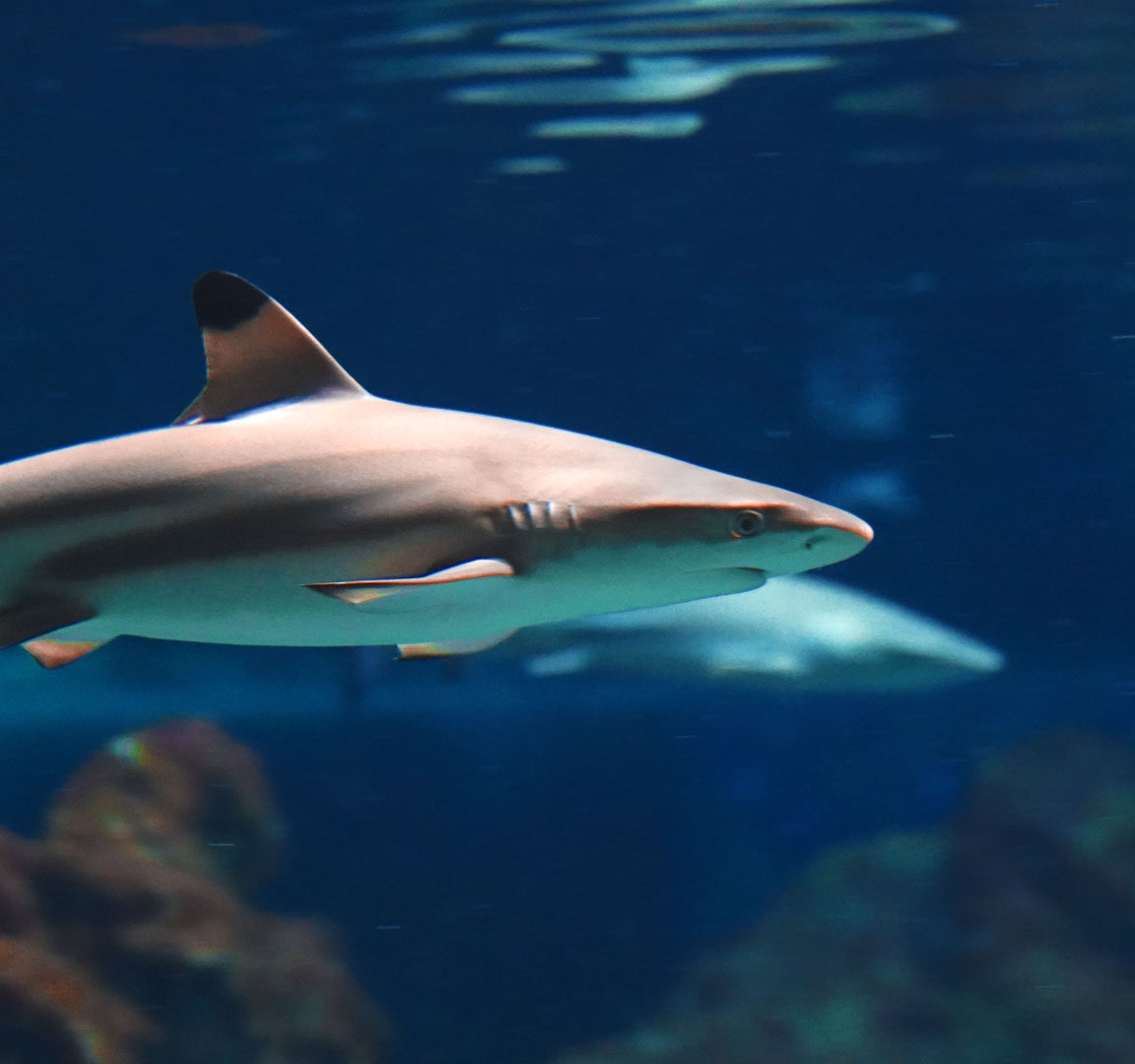
The results? The findings were remarkable. All individuals of each species interacted with all feeding methods, but striking patterns emerged. Gioconda, Alice and Maga (the three Violet Uge rays) showed a distinct interest in the stick method. Sharky (white tip shark) showed a preference for bony fish (prey provided as herring, horse mackerel and mackerel), and finally Rosinha and Sebastião (both black tip sharks) leaned more towards cephalopods such as squid and cuttlefish.
By studying this type of behaviour in marine species, aquarists gain important information about the specific behaviours of each species. This knowledge allows them to improve the welfare of these species according to their needs and paves the way for the development of welfare plans within the specific context of the aquarium.
Through this deep immersion in underwater behaviours, aquarists strive to promote a harmonious aquatic environment where predatory instincts coexist perfectly with enriched feeding experiences. The study’s findings not only enrich our understanding of these fascinating species, but also offer a more solid and steadfast path in the underwater realm.
The article published by the Oceanus Aquarium Department at Zoomarine Algarve is available in the link below
This article is essential for a better understanding of Zoomarine Algarve’s work and its commitment to ocean conservation. Because together, we protect!