

Ícone download
Download now
APP ZOOMARINE
close download app popup

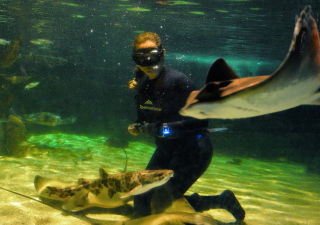
Caring for our zoological family is Zoomarine's priority to ensure that each of the animals in our care lives with dignity and well-being.

The modern concept of animal welfare is comprehensive and considers five fundamental areas

  • Physical health 
  • Nutrition 
  • Environment 
  • Behaviour 
  • Mental well-being   

These domains are always worked on together to ensure that all animals are healthy and can express behaviours natural to their species. The ongoing work of the various teams with our animals ensures health care, appropriate levels of exercise, adequate nutrition, and an environment that promotes the expression of natural behaviours of the species, all of which contribute to maintaining a positive mental state. 
Five Fundamental Domains
Physical health 
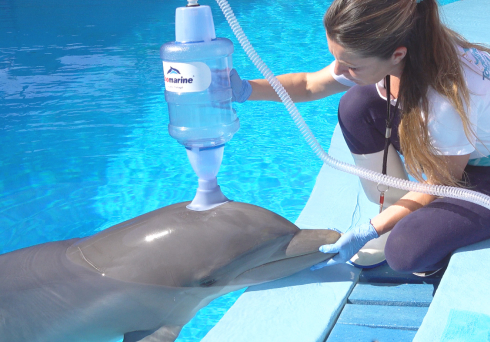
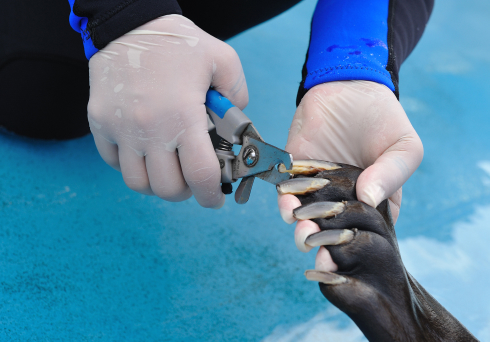
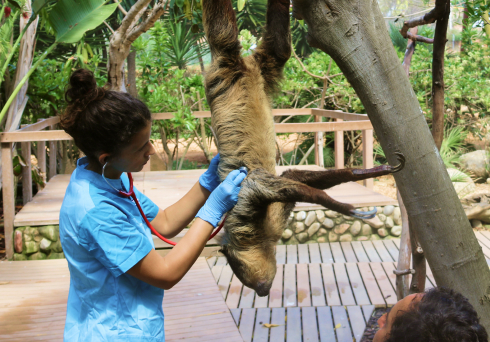
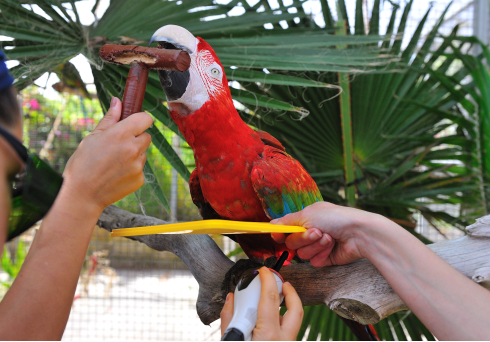
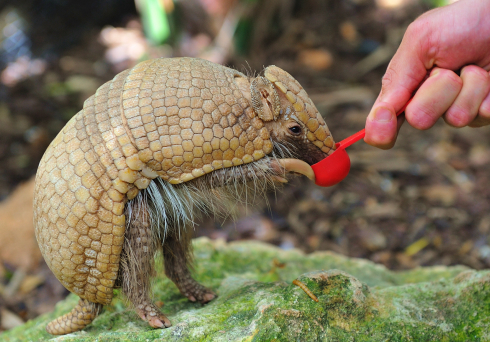
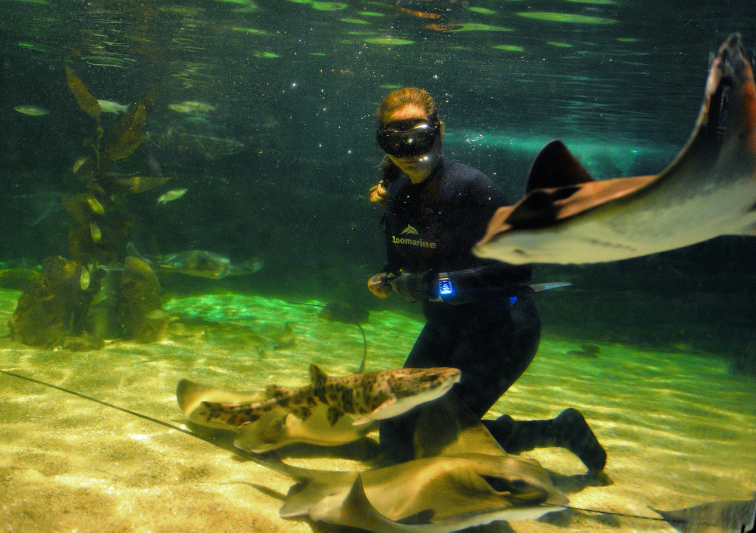
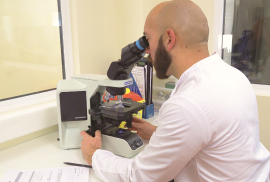
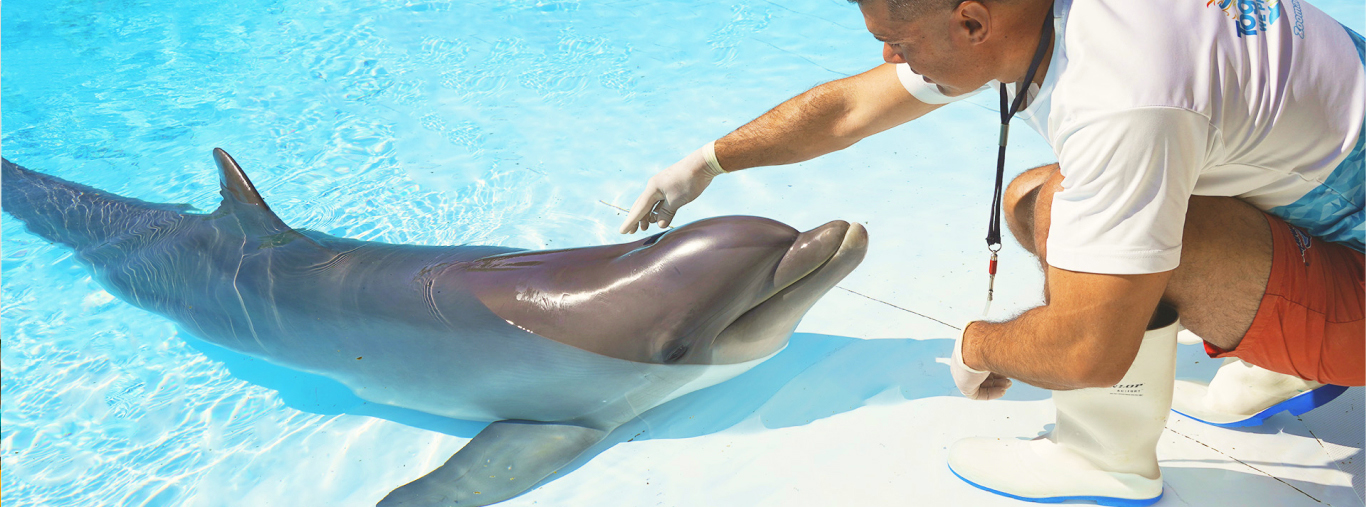
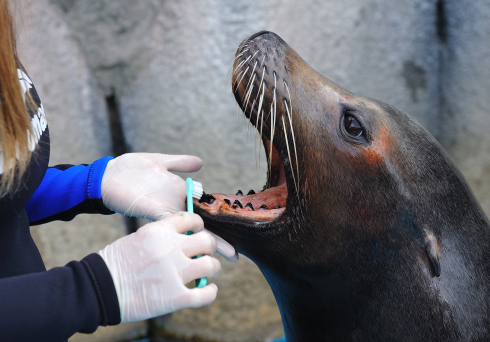
In terms of the physical health of the park's zoological family, we highlight the preventive medicine plan developed by the veterinary team in conjunction with the welfare technicians from the respective zoological areas. This plan provides for the regular monitoring of each individual, which allows for the timely identification of any changes in their health and immediate intervention. One of the essential tools for ensuring animal welfare and monitoring their health is welfare behaviour training, which, when integrated into their daily routine, enables the animal to participate voluntarily and non-invasively. Training fosters a positive and safe relationship for both the animal and welfare technicians, allowing them to inspect the animal's general health and perform regular tasks such as nail trimming, brushing, blood collection or veterinary examinations.
Nutrition
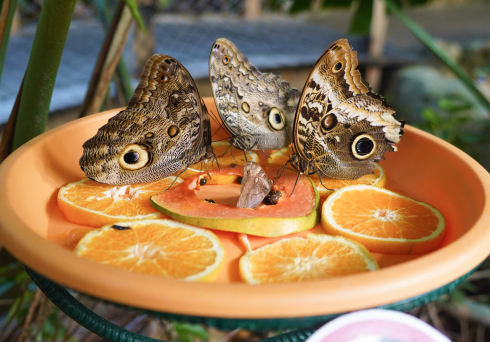
Proper nutrition is essential for maintaining the well-being and health of the animals in our care, and here they are guaranteed a diet carefully tailored to their individual needs. In addition to adapting the diet to each species, aspects such as gender, age, physical condition, weight, health status and even preferences are taken into account. For example, a lactating female will have different needs than a young adult, and all of this is taken into account in their individual plan.
Environment and Behaviour
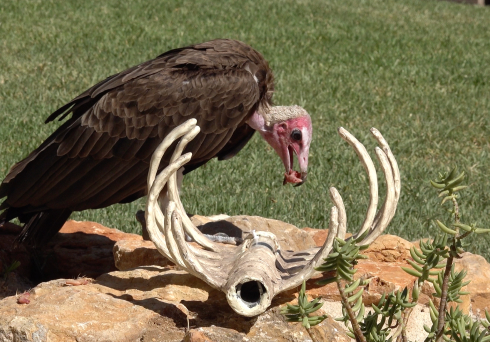
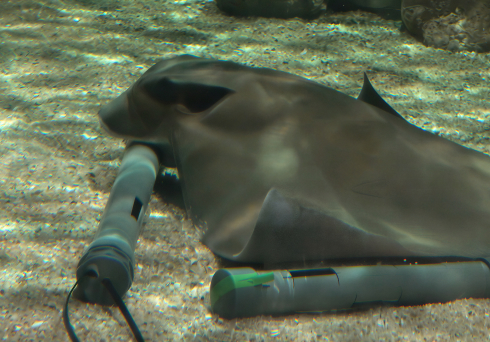
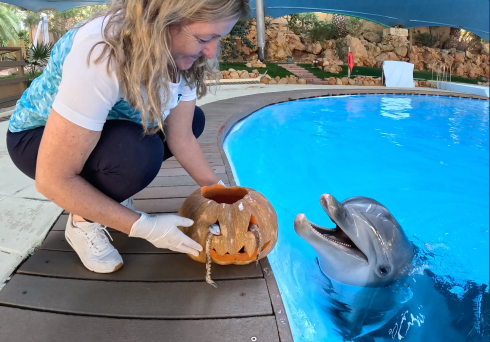
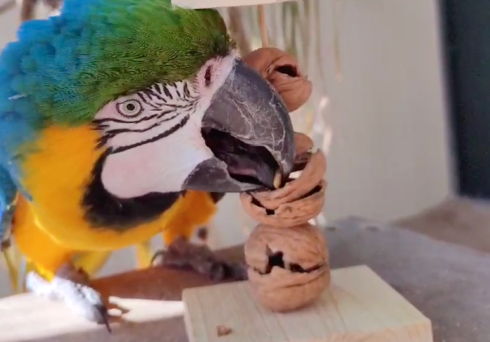
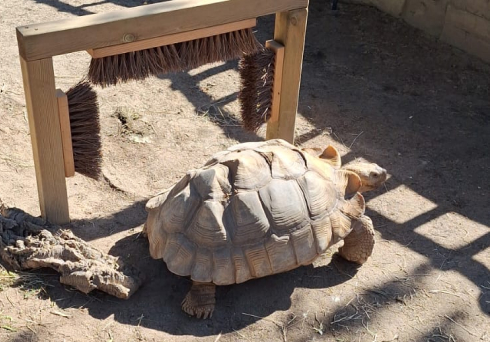
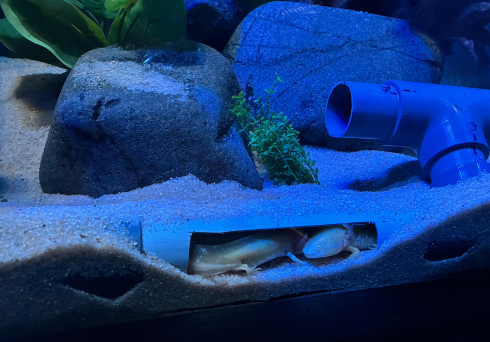
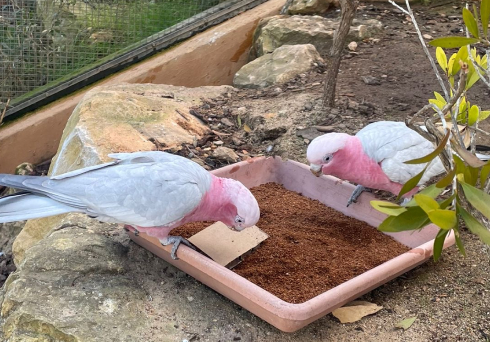
Environmental enrichment is an essential tool that aims to enhance animal welfare by keeping them physically and mentally active, while providing a stimulating, controlled and safe environment. An individual enrichment plan is developed for each animal at Zoomarine, taking into account the specific characteristics of each species and individual, which allows them to increase their choice and control over their surrounding environment, stimulating natural behaviours. Enrichment can be divided into five categories: nutritional, cognitive, sensory, social and structural, and can consist of devices that are observed in habitats that add complexity and elicit species-specific behavioural responses. Among the various examples are challenges that encourage natural hunting or foraging behaviour, providing food in different formats to stimulate manipulation, or even devices that animals need to handle in order to obtain food, encouraging them to seek solutions to solve a problem. These activities keep animals physically and mentally active and, above all, encourage the maintenance of natural behaviours characteristic of their species.
Mental Domain  
Nowadays, we cannot talk about animal welfare without considering the mental domain. Physical health, nutrition, environmental enrichment and behaviour directly feed and affect the mental domain, reflecting the level of welfare. By prioritising all these aspects and promoting positive social interactions between peers and the solid relationship of trust that the animals have with the teams that directly care for them, Zoomarine ensures that the animals in its care have the ideal conditions for a long and healthy life in an enriching, controlled and safe environment.
Our commitment
Our commitment

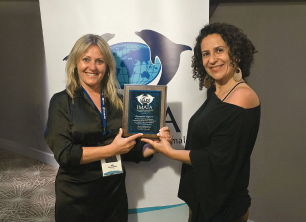
Zoomarine is regularly and methodically inspected and accredited by the main zoological and marine mammal associations (American Humane, European Association of Zoos and Aquariums, European Association for Aquatic Mammals, Associación Ibérica de Zoos y Acuarios, Alliance of Marine Mammal Parks and Aquariums and International Marine Animal Trainer’s Association) and complies with applicable national and international requirements and legislation. 
Everything you need to know about our global recognition