




Scientific study reveals that the life expectancy of animals in zoos is 1.65-3.55 times higher than that of wild animals
Scientific study reveals that the life expectancy of animals in zoos, particularly marine mammals, is currently 1.65-3.55 times higher than that of their wild counterparts. As with humans, these improvements have occurred in tandem with advances in management practices, which are crucial to the welfare of the population.
“An intense public debate has fuelled government bans on marine mammals kept in zoological institutions. The debate is based on the assumption that survival in zoological institutions has been and continues to be lower than that of wild animals, although the scientific evidence supporting this notion is equivocal.
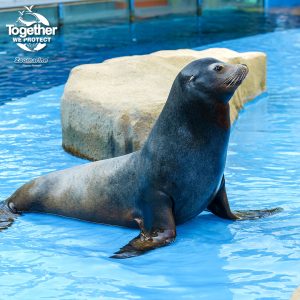
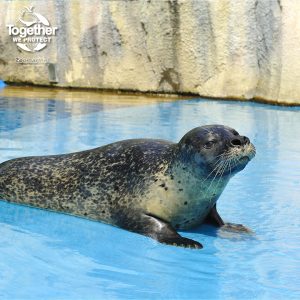
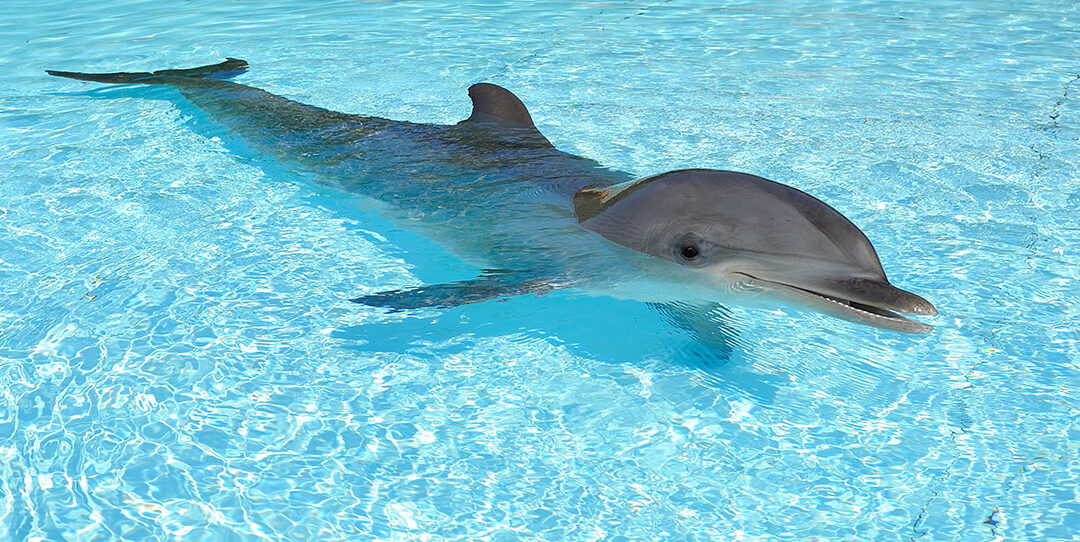
In this study, statistical methods previously applied to assess historical improvements in human life expectancy were used, along with data on 8,864 individuals of four marine mammal species (harbour seal, Phoca vitulina; California sea lion, Zalophus californianus; polar bear, Ursus maritimus; bottlenose dolphin, Tursiops truncatus) kept in zoos from 1829 to 2020.
We found that life expectancy increased up to 3.40 times and first-year mortality decreased by up to 31% over the last century in zoos. Furthermore, the life expectancy of animals in zoos is currently 1.65-3.55 times higher than that of their wild counterparts.
As with humans, these improvements have occurred alongside advances in management practices, which are crucial to the welfare of the population.
Science-based decisions will contribute to effective legislative changes and ensure better implementation of animal care.”