




The Purpose of Zoos Has Changed
Zoos are no longer mere guardians of species, but have become active agents in transforming human values, attitudes and behaviours, playing a decisive role in building a society that values and protects nature.
Gone are the days when zoos were private collections of exotic animals intended for the entertainment of elites. Throughout the 20th century, these institutions gradually transformed into centres dedicated to conservation, investing in endangered species breeding programmes, scientific research and awareness campaigns. This evolution reflected a growing awareness of ethics in welfare and the role these institutions could play in protecting biodiversity. However, given the scale and urgency of contemporary environmental challenges, even this modern approach may no longer be sufficient, requiring a further transformation in the fundamental purpose of zoos.
The recent position statement of IUCN on the role of zoos in conservation provides a transformative view of this new reality. Em Rather than positioning these institutions as mere repositories for endangered species or centres for environmental education, the document recognises their unique potential as platforms for a paradigm shift in this joint societal effort.
This transformation is based on a complementary vision in which zoos are one of many pieces of the puzzle for global conservation. On the one hand, the traditional commitment to animal welfare, conservation biology research and ex-situ population management remains – a dimension focused directly on animals and their habitats. On the other hand, a second, equally critical dimension is emerging: the transformation of the values, attitudes and behaviours of human societies, which ultimately determine the future of biodiversity . These two strands are not parallel or independent, but deeply interdependent and interconnected.
This integrated perspective recognises that the success of reintroduction programmes, the effectiveness of ecological corridors, or the survival of wild populations fundamentally depend on changes in the daily choices of millions of people – from consumption patterns to support for environmental policies. At the same time, working directly with animals and ecosystems provides the knowledge, stories, and legitimacy needed to inspire these social transformations. Zoos today are in a unique position to operationalise this integrated vision, linking the science of biological conservation with the science of human behaviour in a coherent and mutually reinforcing strategy.
The transition from an awareness-centred model to one focused on behavioural change clearly represents this paradigm shift. Traditionally, zoos have invested significant resources in awareness campaigns, assuming that informing the public about threats to biodiversity would automatically lead to changes in attitude and behaviour. However, decades of research in social psychology show that this linear model – knowledge generates attitude which generates behaviour – does not reflect what actually happens in our lives. People may be fully aware of environmental issues and still not change their behaviour.
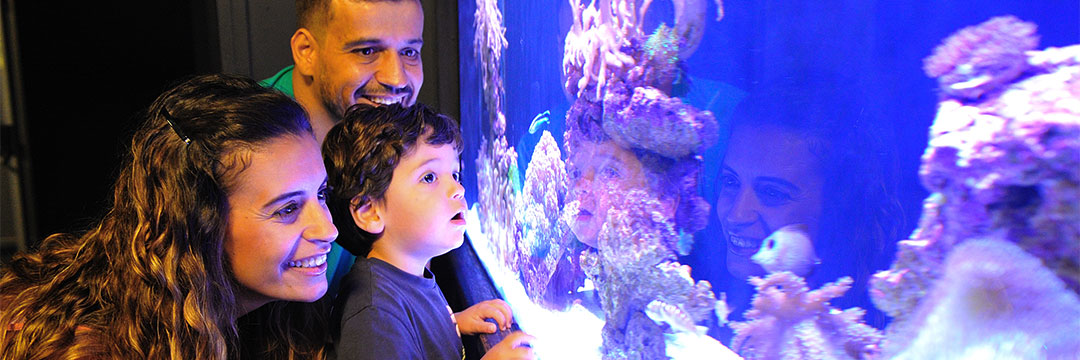
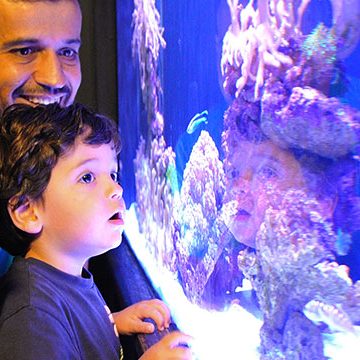
This is where the transformative opportunity for zoos lies. With millions of visitors annually, these institutions have privileged access to diverse audiences, creating emotionally engaging contexts where more sustainable environmental values can be cultivated. The proximity to animals, the affective experience of the visit, and the unique social context of zoos position these institutions as privileged spaces for promoting a deep reconnection with nature. By facilitating meaningful experiences that challenge unsustainable social norms and celebrate pro-environmental behaviours, zoos can act as catalysts in building a society that genuinely values biodiversity and acts in its defence.
But this reorientation requires zoos to develop skills in areas that have hitherto been peripheral to their traditional mission. Conservation psychology, behavioural economics and social marketing are now becoming core disciplines. This expansion of skills does not represent a replacement of existing zoological and biological knowledge, but rather a necessary evolution that recognises that saving species also requires transforming societies.
The purpose of zoos has changed because the nature of the challenge has changed. The issue is no longer just saving species, but m ly transforming humanity’s relationship with the natural world.
João Neves, PhD
Director of Science and Conservation, Zoomarine Algarve