





Zoomarine Algarve welcomes a 120 kg turtle for rehabilitation and future release back into the sea at the new Porto d’Abrigo
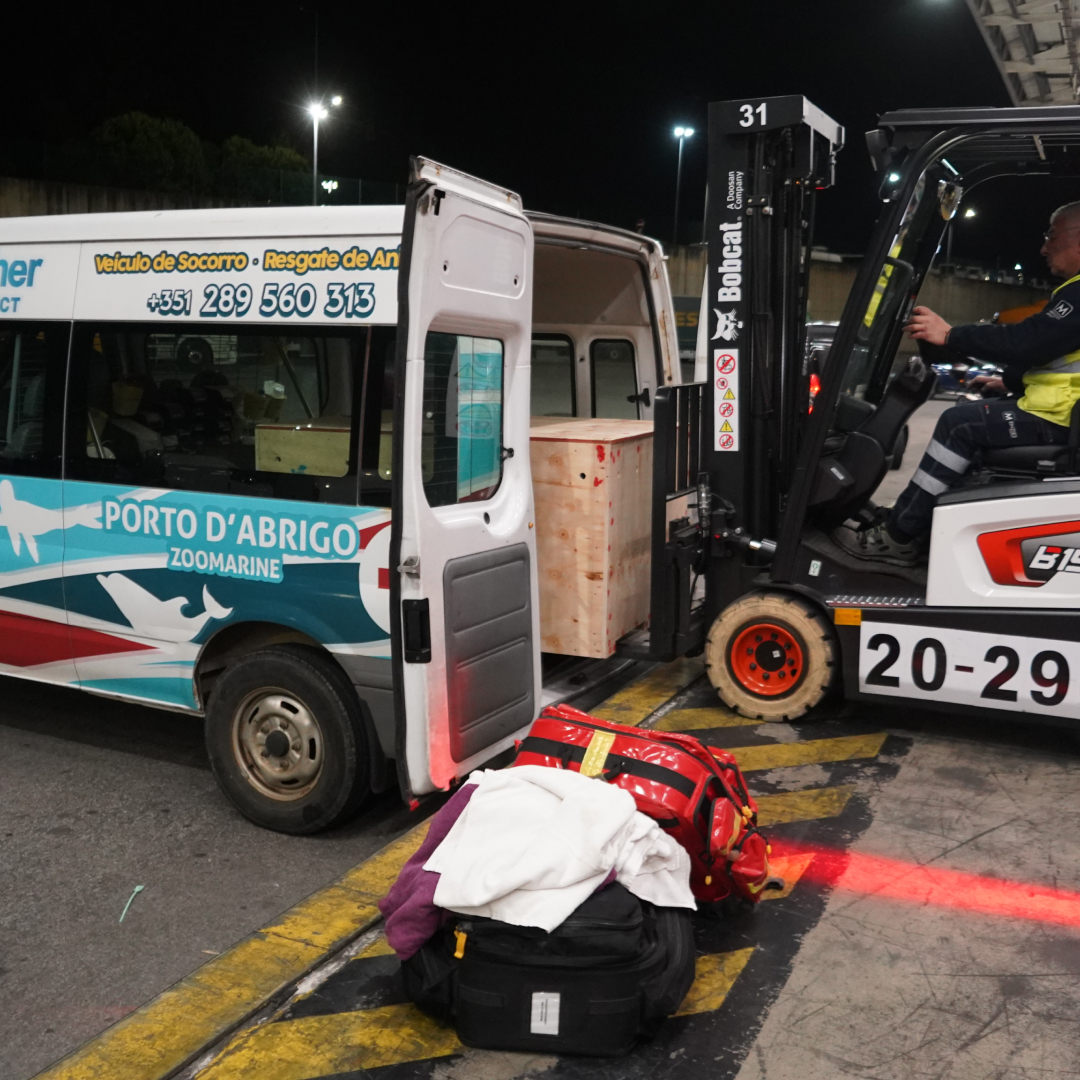
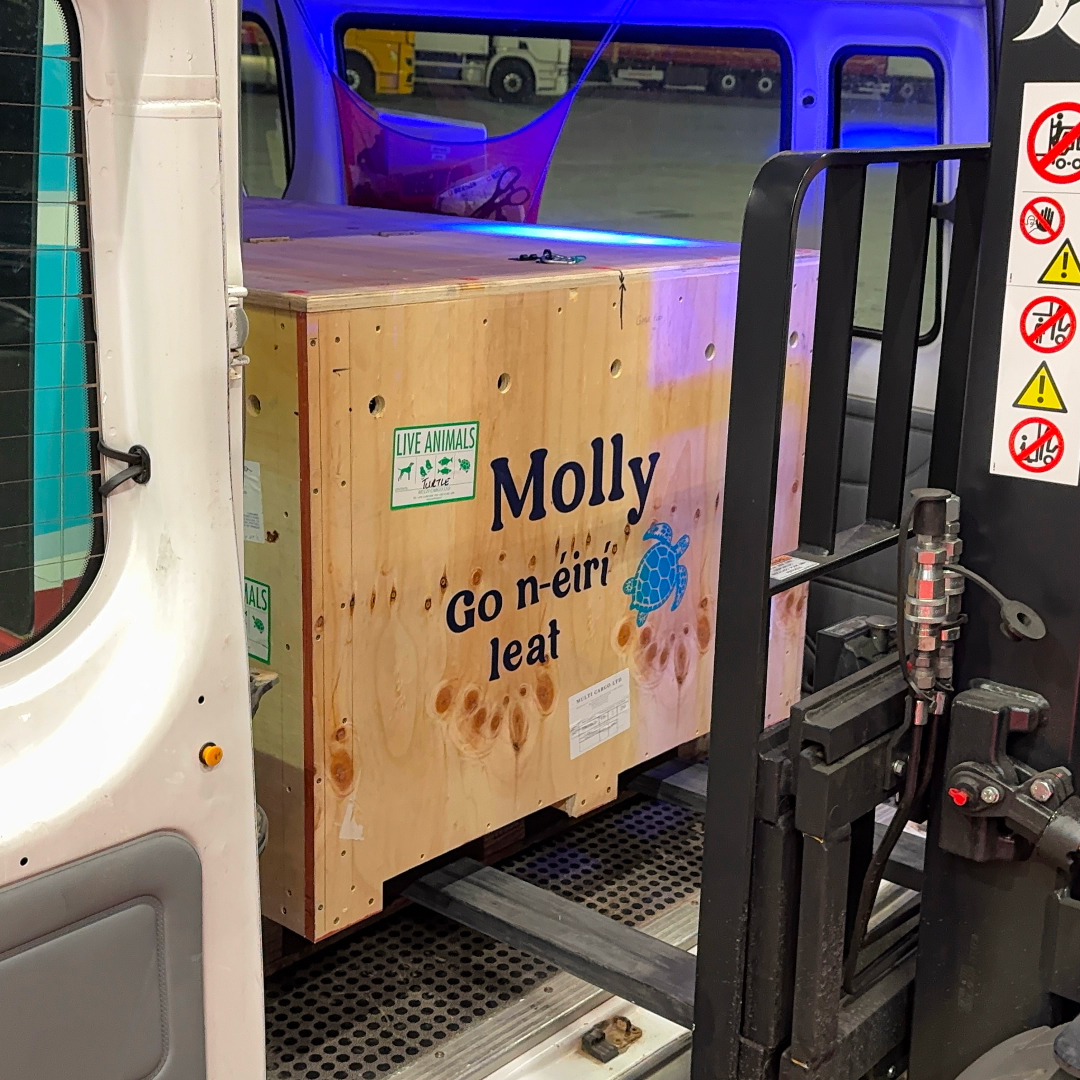
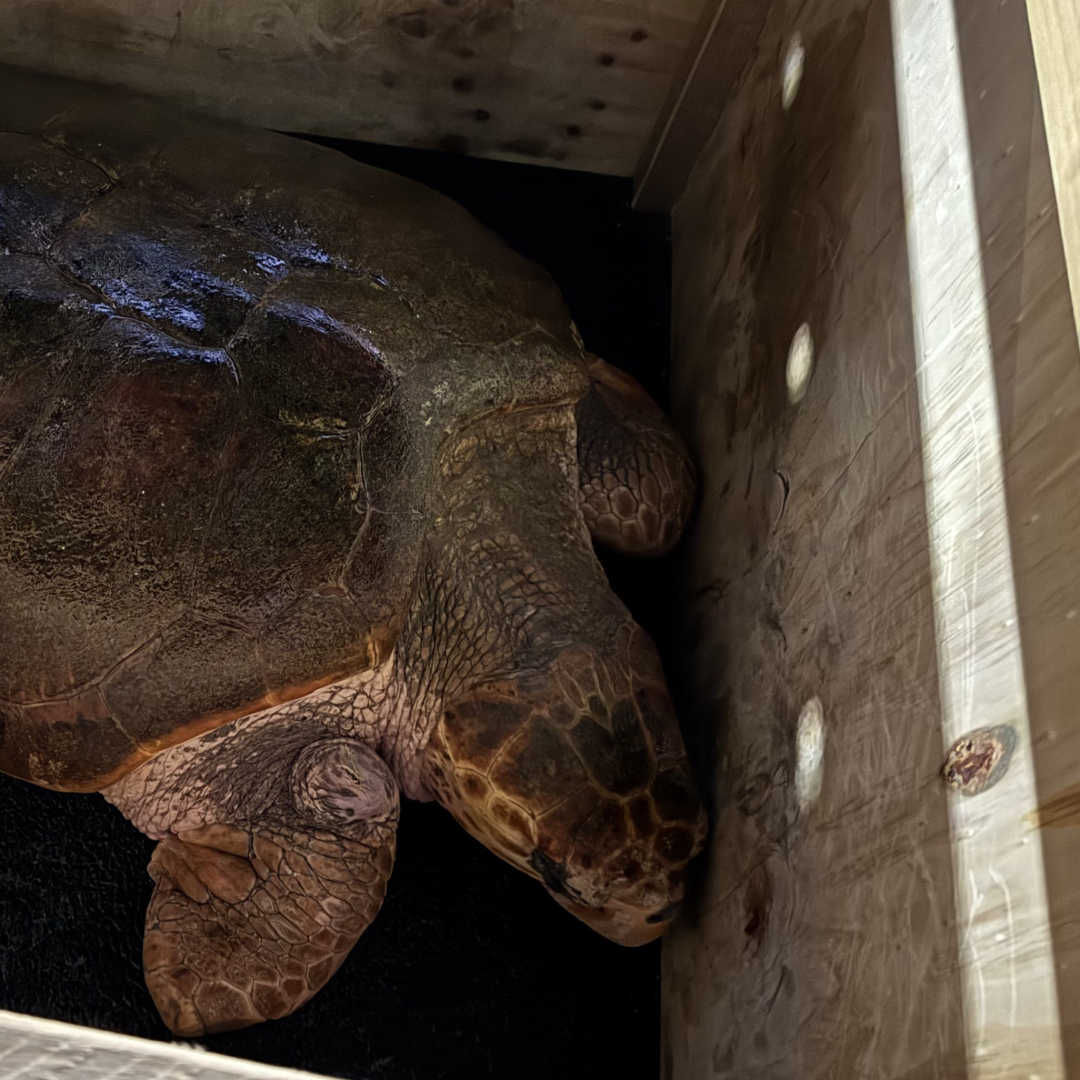
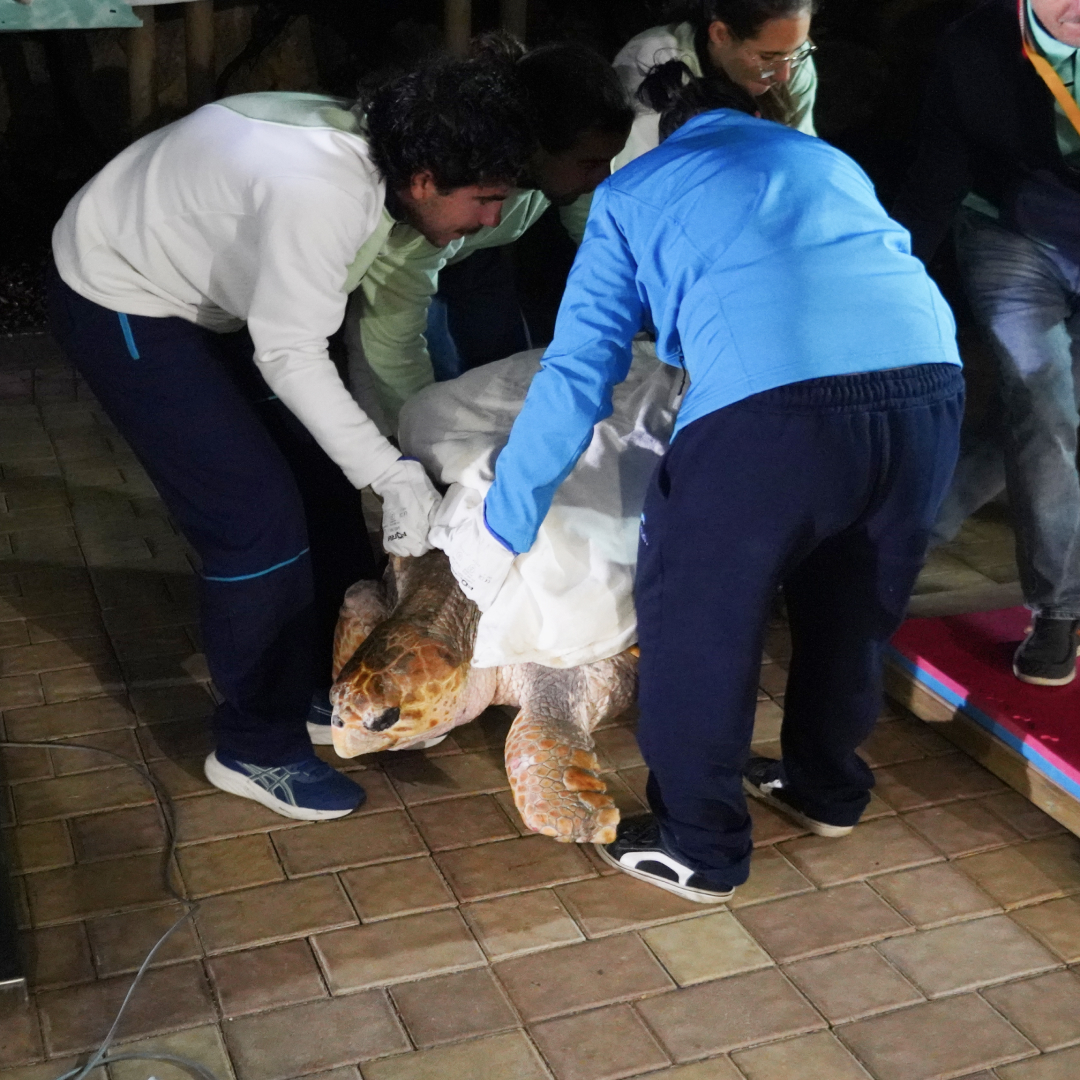
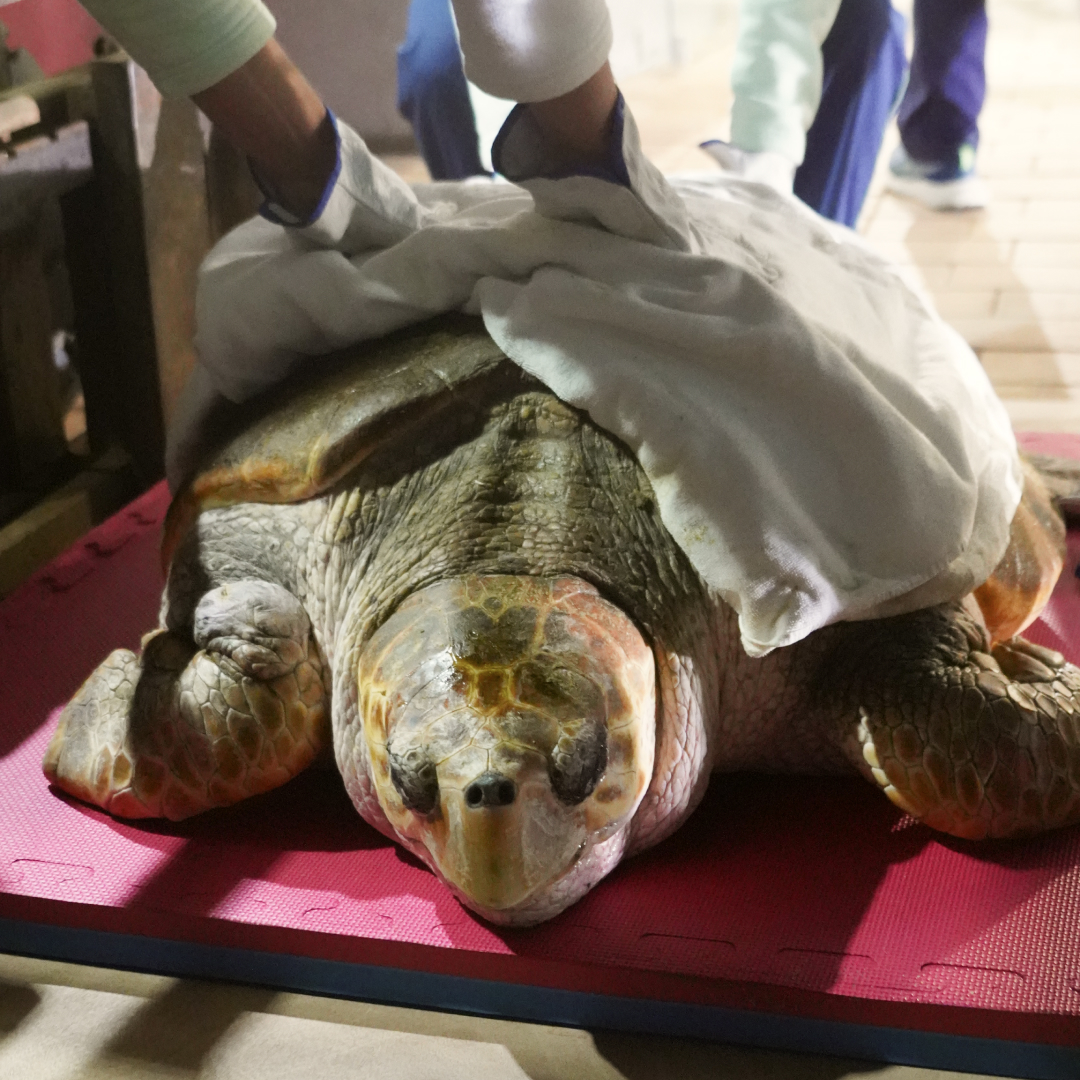
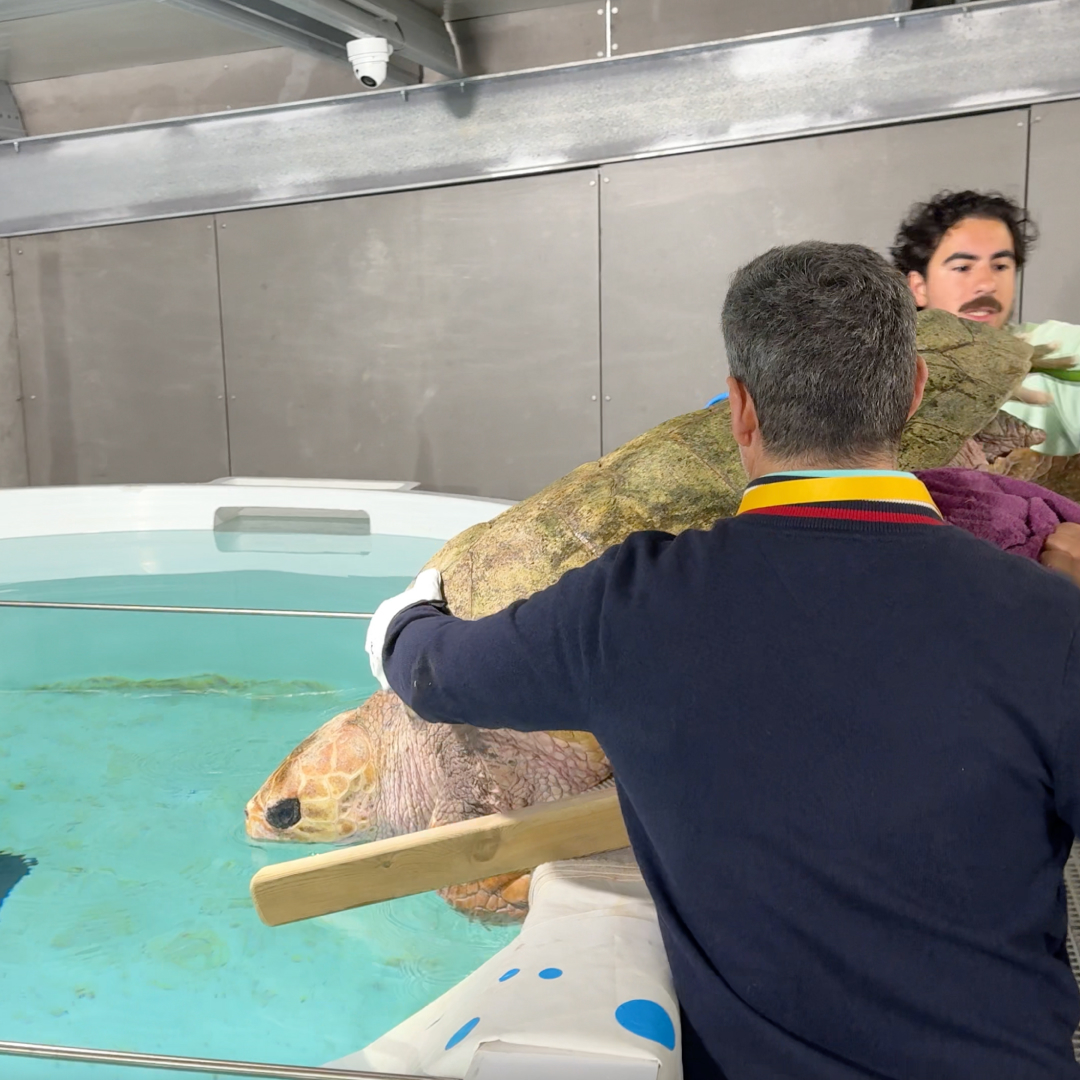
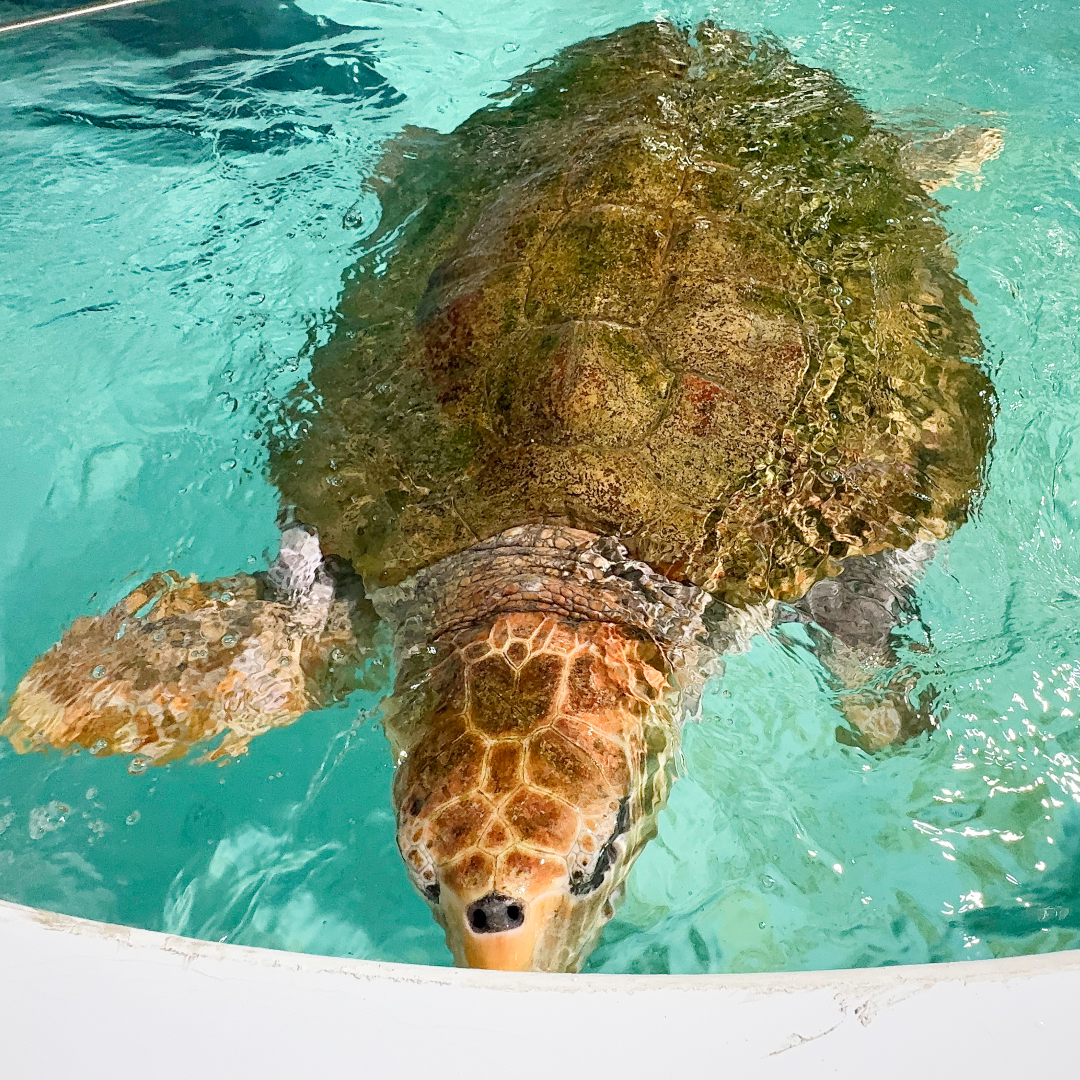
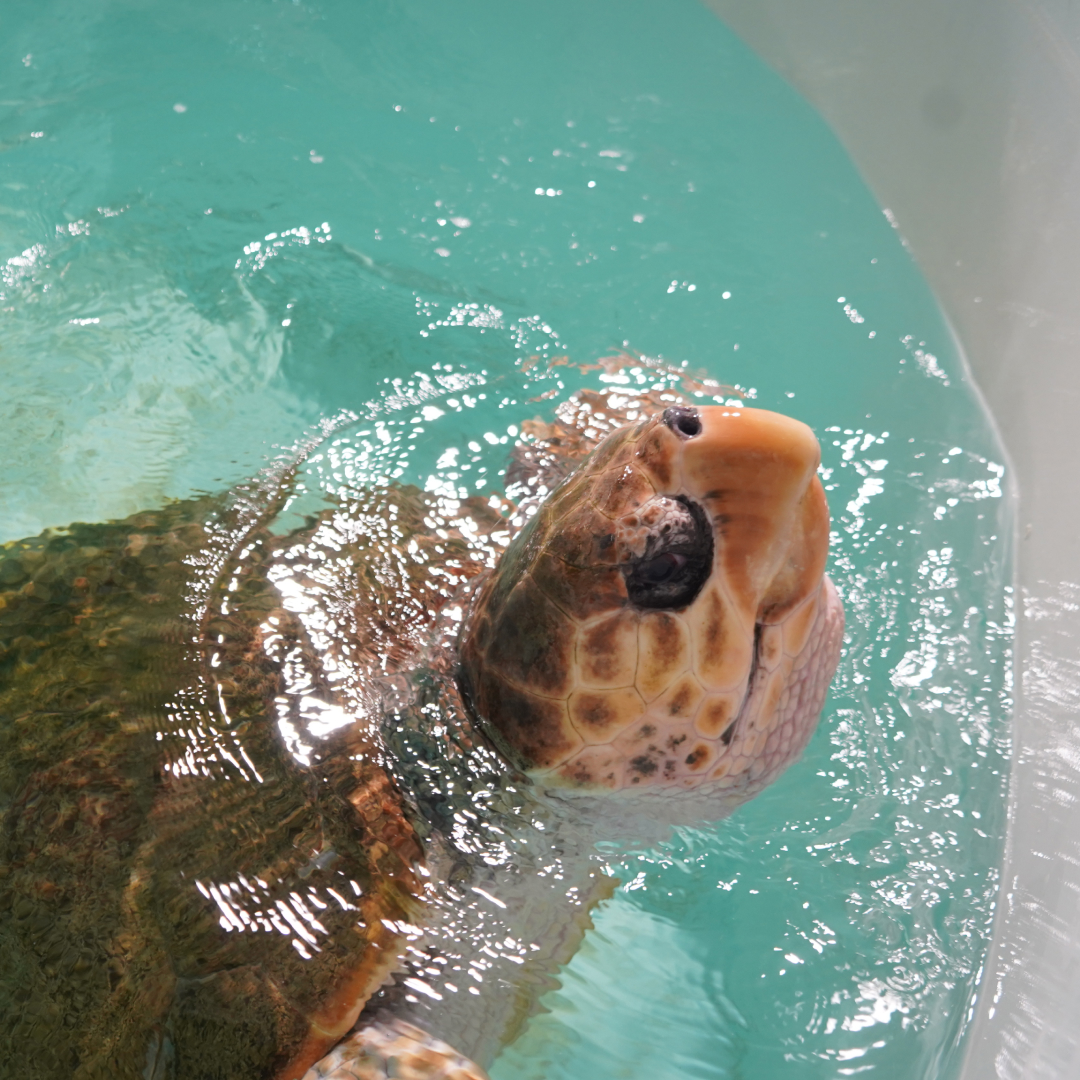
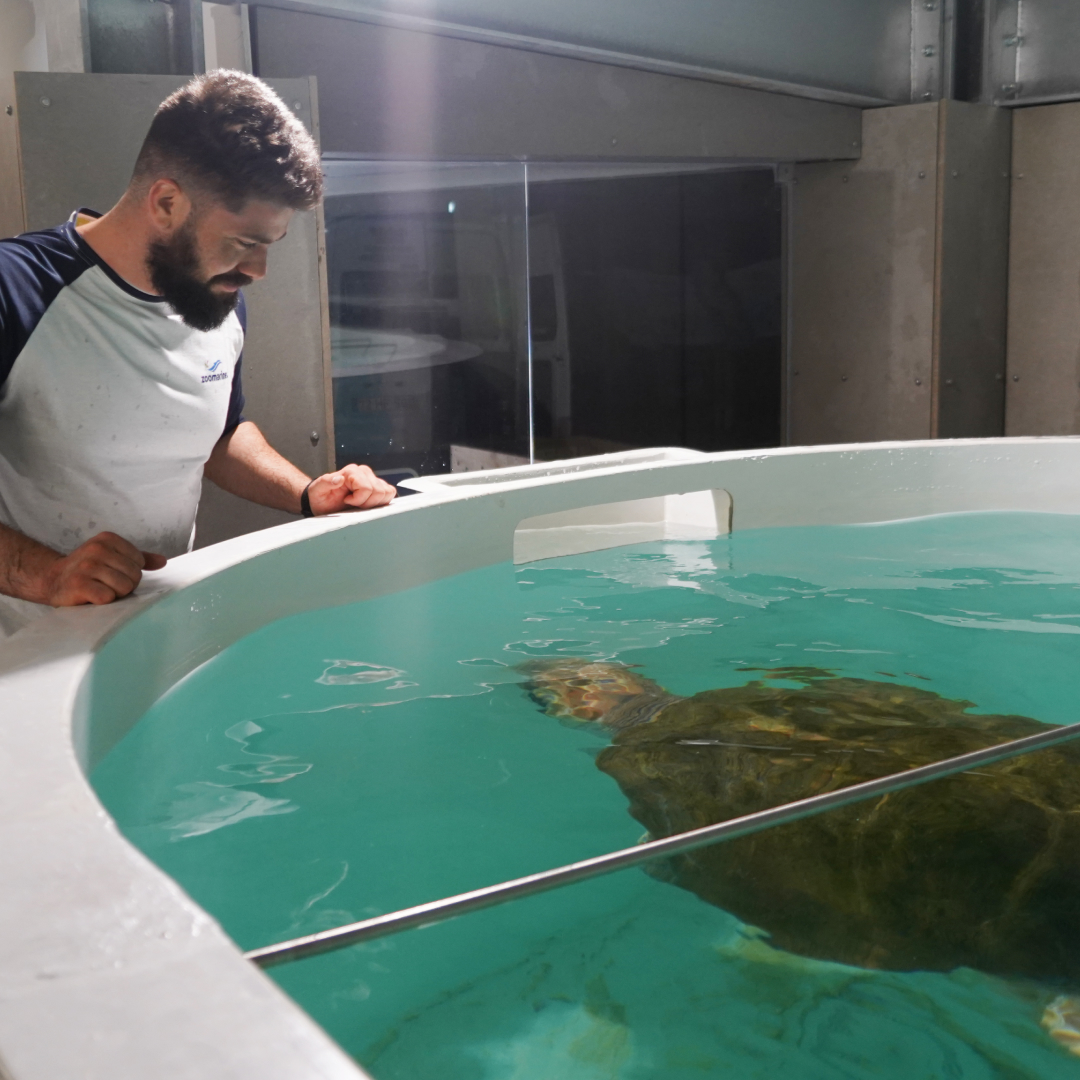
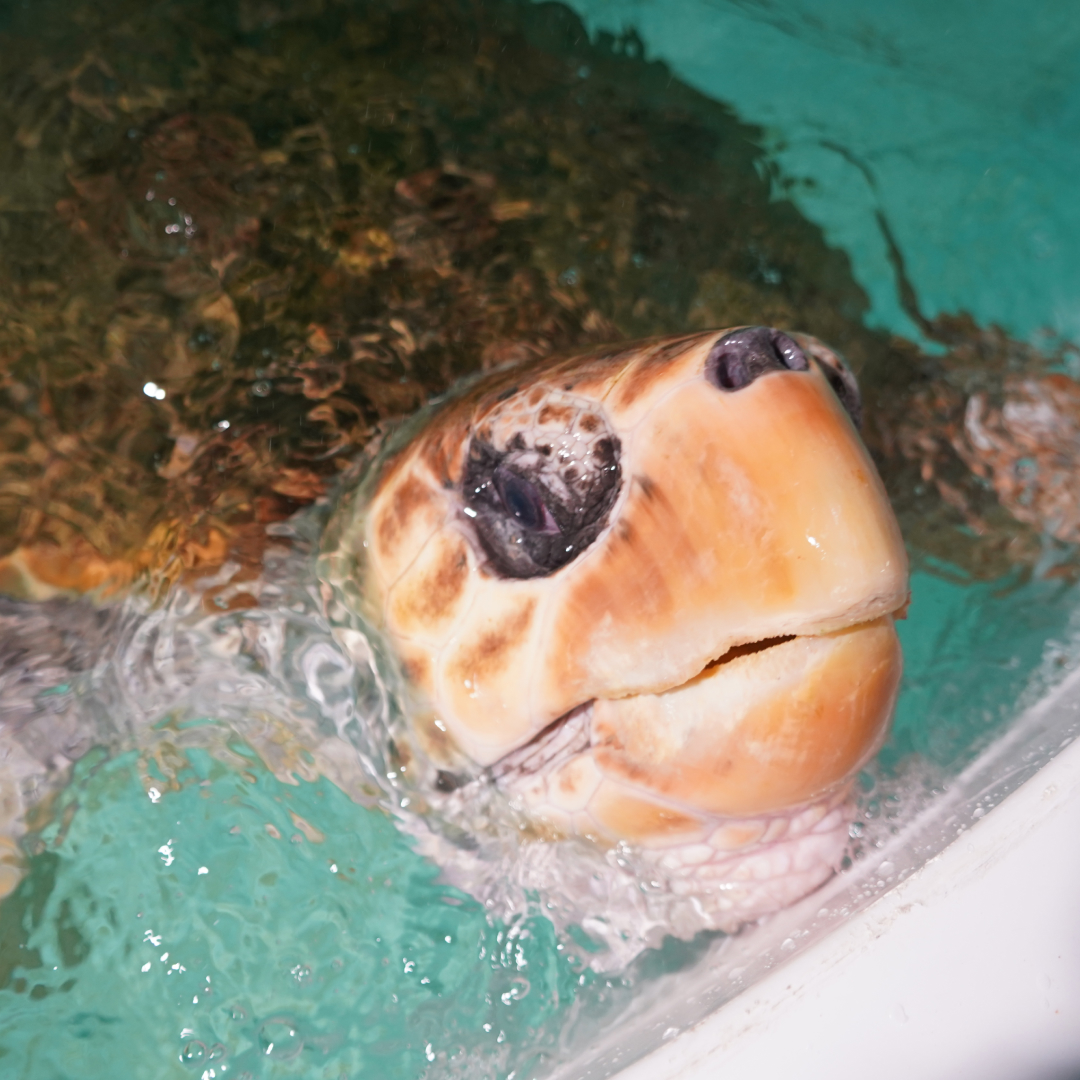
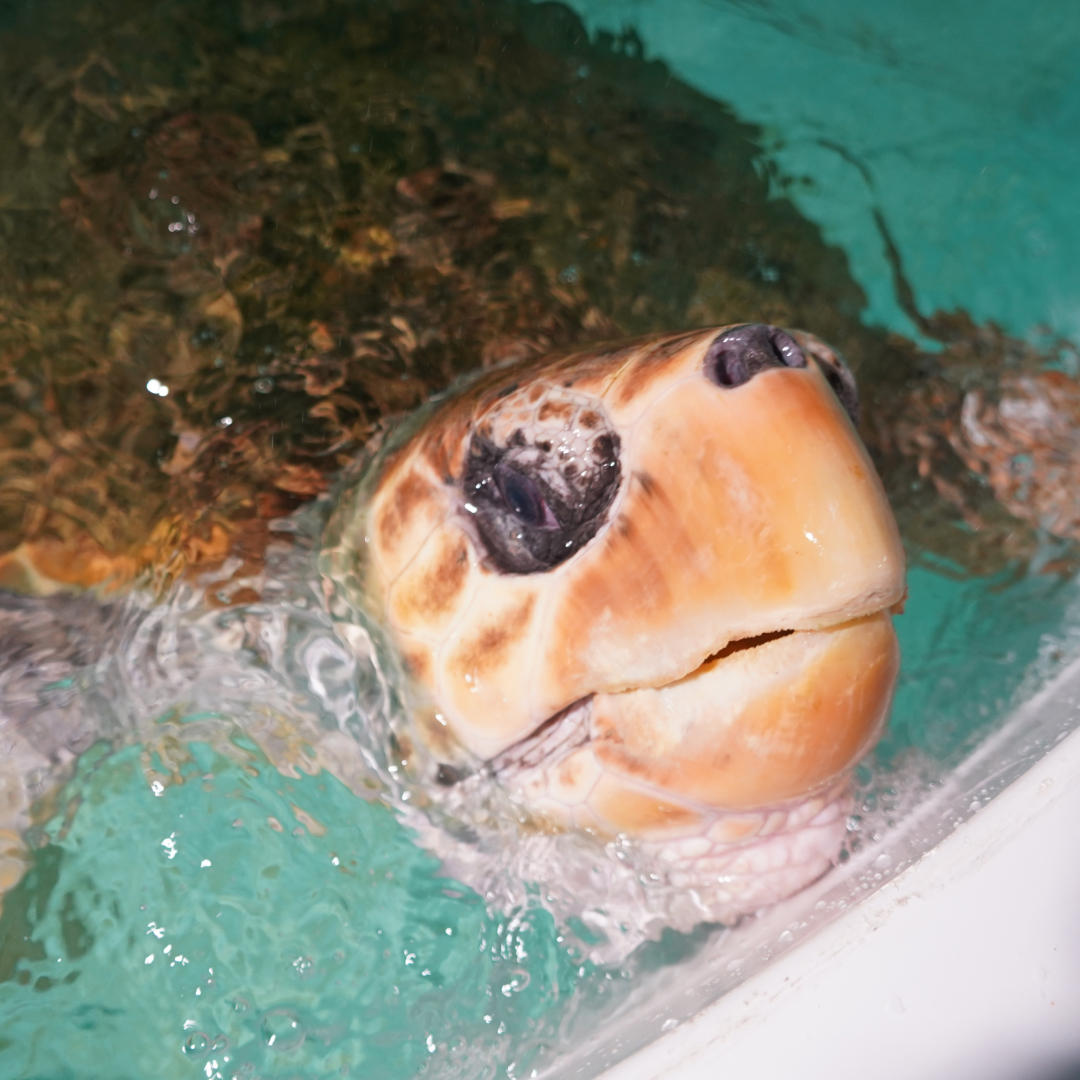
Zoomarine’s Porto d’Abrigo has welcomed a new specimen for care: Molly, an adult loggerhead sea turtle (Caretta caretta), weighing approximately 120kg, transferred from Dingle Oceanworld Aquarium, in Ireland.
Molly washed ashore on a beach in Ireland with injuries to both front flippers. As with all rescued marine animals, she became the responsibility of the Irish State and was taken in by a specialised team for recovery and monitoring, as her physical limitations raised concerns regarding her ability to return to the wild. Over time, she maintained a good state of health and displayed stable behaviour, allowing recent veterinary assessments to identify functional and behavioural conditions that may now make a return to the ocean possible.
Molly’s transfer results from an international collaboration between the two institutions and aims to ensure her behavioural rehabilitation and eventual return back into the wild. Portuguese waters were chosen for this new stage because the loggerhead turtle naturally inhabits the Northeast Atlantic, including the Portuguese coast, where environmental conditions, such as water temperature and food availability, provide a more favourable context for her survival.
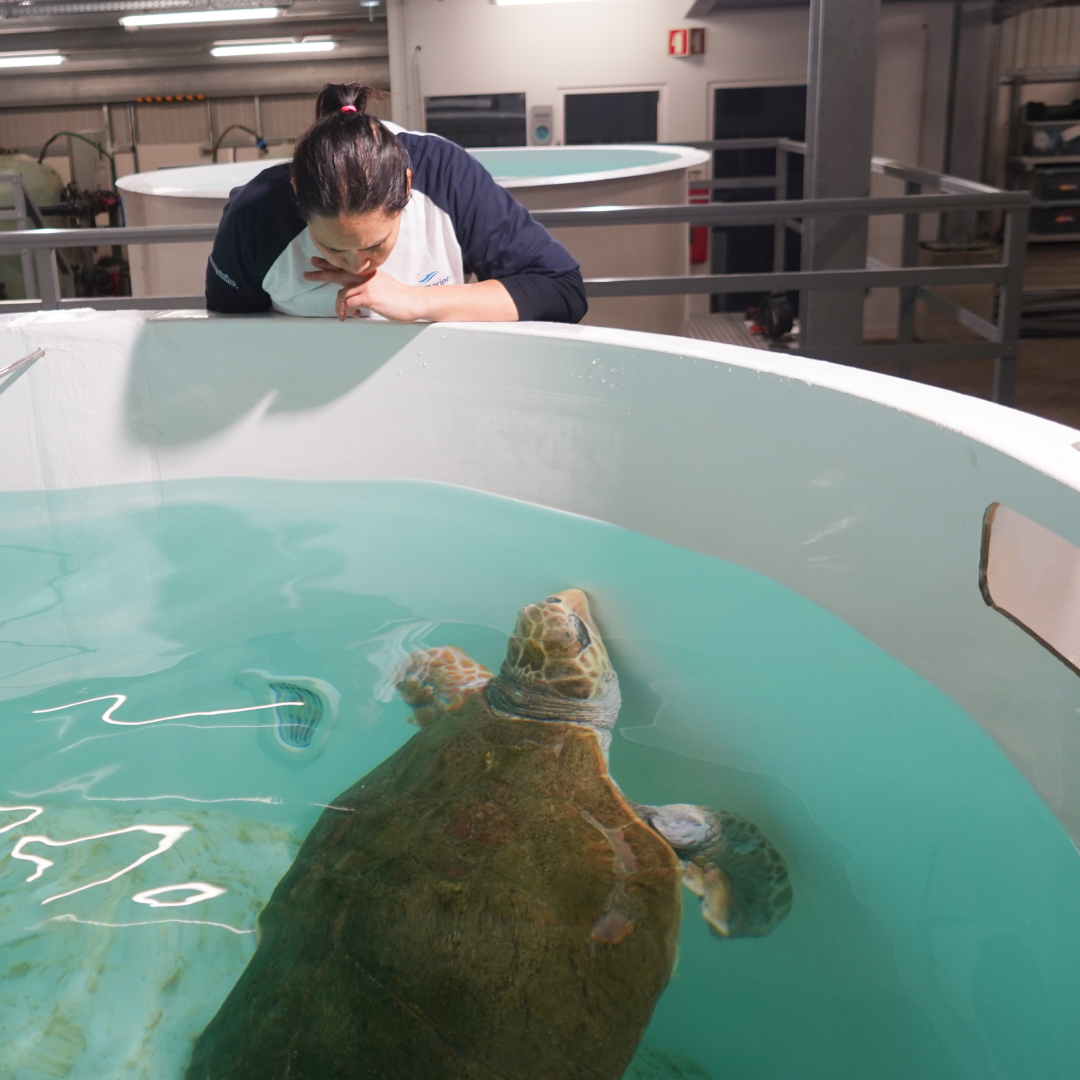
The rehabilitation process will focus on assessing and promoting behaviours essential for survival in the wild, namely the identification of natural food sources, diving patterns and orientation. Her return to the ocean will only take place once all clinical, behavioural and environmental conditions have been fully met.
Maria Foley, Head Animal Manager at Dingle Oceanworld Aquarium, stated: “After so many years of dedicated care from our team, it is extremely meaningful to combine our experience with the Zoomarine team to make this release possible. This is a special moment for everyone involved in the project.”
Molly’s transport between Ireland and Portugal was ensured by TAP Air Cargo, a regular partner of Zoomarine in operations of this kind, guaranteeing all the necessary safety and welfare conditions throughout the journey.
Porto d’Abrigo has been building a solid track in the rehabilitation of sea turtles, including large specimens with specific needs, thereby reinforcing its relevance as a reference centre at both national and international level. Among the most notable cases handled at Zoomarine are turtles such as “Calantha,” a loggerhead sea turtle (Caretta caretta) weighing over 120kg, and “Cat,” a green turtle (Chelonia mydas) weighing around 60kg. Following complex rehabilitation processes, both were successfully returned to the ocean and tracked over thousands of kilometres, with recorded movements reaching the African coast, Brazil and the Caribbean. These examples highlight not only the technical robustness of the interventions carried out, but also the centre’s significant contribution to advancing scientific knowledge on the migratory and behavioural patterns of these species.
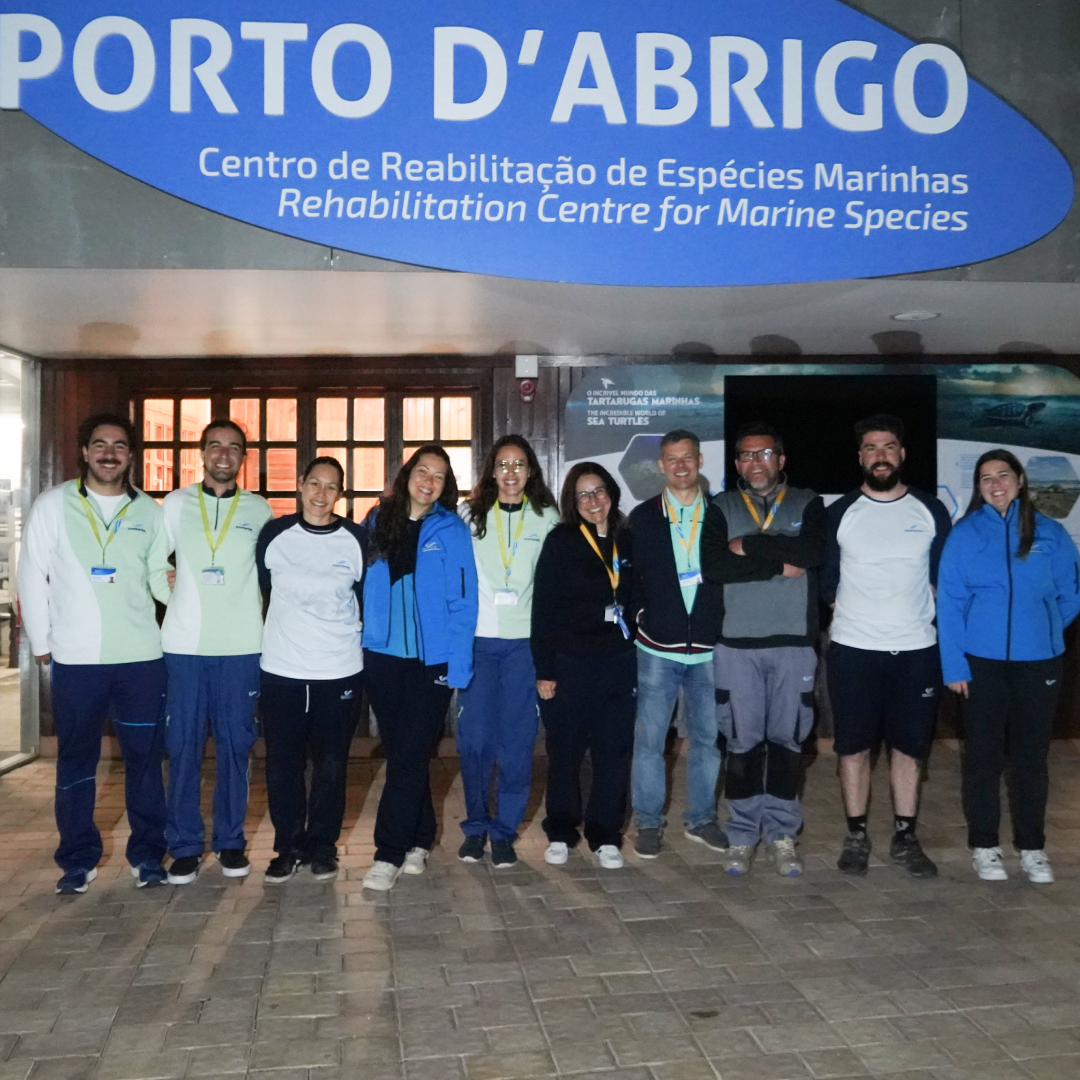
This strengthening of the centre’s mission comes at a particularly important moment for Porto d’Abrigo, as Zoomarine Algarve has recently completed an investment of around one million euros in the modernisation of its Rehabilitation Center for Marine Species, which is now fully operational, with renovated facilities and enhanced technical and scientific capacity. This investment has enabled the refurbishment of existing spaces, the adaptation of infrastructure to accommodate more complex cases, and the improvement of clinical and behavioural monitoring conditions. With this modernisation, Porto d’Abrigo expands its scope of intervention, enabling it to support a greater number of rehabilitation and conservation projects, with a particular focus on the rehabilitation of sea turtles.
Established in 2002, Porto d’Abrigo was the first marine species rehabilitation centre in Portugal and, in collaboration with the Institute for Nature Conservation and Forests (ICNF), has carried out more than 742 interventions up to 2025. This work includes 294 successful field responses — namely support actions without admission and strandings — and the admission of 448 animals for rehabilitation, many of which were successfully returned to their natural habitat. Over more than two decades, Porto d’Abrigo has played a key role in protecting marine biodiversity and advancing scientific knowledge in this field.
“The modernisation of Porto d’Abrigo represents a decisive step in strengthening our capacity to respond to increasingly complex cases. This investment allows us to act more effectively, both in rehabilitation and in the production of scientific knowledge, reinforcing our role in the conservation of marine ecosystems,” says Antonieta Nunes, Veterinary Nurse and Head of Porto d’Abrigo at Zoomarine Algarve
Molly’s arrival thus represents another milestone in the history of Porto d’Abrigo and further reinforces Zoomarine’s ongoing commitment to ocean conservation and the protection of marine ecosystems.